
Audio · Sound System Installation
Retail & Commercial Background Music
Even, conversation-friendly coverage for shops, cafés and salons — no blasting corner speaker — with simple staff controls and hardware ready for licensed streaming services.
The service
What we deliver
In shops, cafés and salons, sound sets the dwell time. The goal is even, comfortable coverage — music present everywhere, conversation easy anywhere, and no blasting corner speaker driving customers toward the door.
We design distributed systems with the right speaker density, install cleanly around your trading hours, and hand staff a control so simple nobody ever needs to call for help.
What's included
- Even-coverage design for the space
- Discreet ceiling and surface speakers
- Zoning for floors, rooms and outdoor areas
- Simple staff volume and source control
- Hardware ready for licensed music services
- Out-of-hours installation available
From brief to delivery
Background music should be even enough that staff do not need to make one corner too loud
We design coverage around floor area, ceiling height, customer/staff zones and operating level, then organise simple controls so day-to-day staff use does not require AV knowledge.
What we resolve before work starts
Commercial background audio is usually about consistency rather than maximum volume. We map quiet/loud areas, conversation zones and any spaces that need independent control.
- Customer areas, staff areas and separately controlled zones
- Speaker spacing for even coverage at normal operating level
- Amplification and source location
- Simple staff controls and sensible maximum level
- Compatibility with the client’s chosen licensed music/service arrangements
What a proper handover should include
Managers should know how to select sources and levels without having access to unnecessary technical settings.
- Zones labelled by premises area
- Normal operating levels demonstrated
- Source/control interface simplified for staff
- Equipment location and shutdown/restart process explained
- Client reminded that music licensing/subscription responsibilities remain with the business
Delivery sequence
How this service moves from idea to finished work
Coverage survey
We review ceiling, layout and where customers/staff spend time.
Zone design
Speaker quantity, spacing, amplification and independent areas are planned.
Installation
Speakers, cabling and equipment are fitted with minimal intrusion into trading finishes.
Level setting & staff handover
Each zone is balanced at a practical background level and staff controls are demonstrated.
Why it is worth planning properly
Even background sound can support atmosphere without competing with conversation
More consistent customer experience
Distributed coverage reduces obvious loud/quiet patches across the premises.
Simpler staff control
A limited control interface can prevent accidental changes to technical settings while still allowing normal volume/source adjustment.
Flexible zones
Retail floor, treatment rooms, café seating or staff areas can be controlled separately where operations require it.
Key decisions
What shapes the scope
Premises type, desired atmosphere, zone count, ceiling/access, opening hours, speech/announcement needs, source platform and staff control level all affect specification.
Budget & programme
What usually moves cost or timing
Floor area, ceiling access, number of zones, commercial-grade speakers/amplification and out-of-hours work are the main variables. Music licensing and content subscriptions are business operating costs, not installation costs.
In pictures
The work up close
 View larger photo
 View larger photo
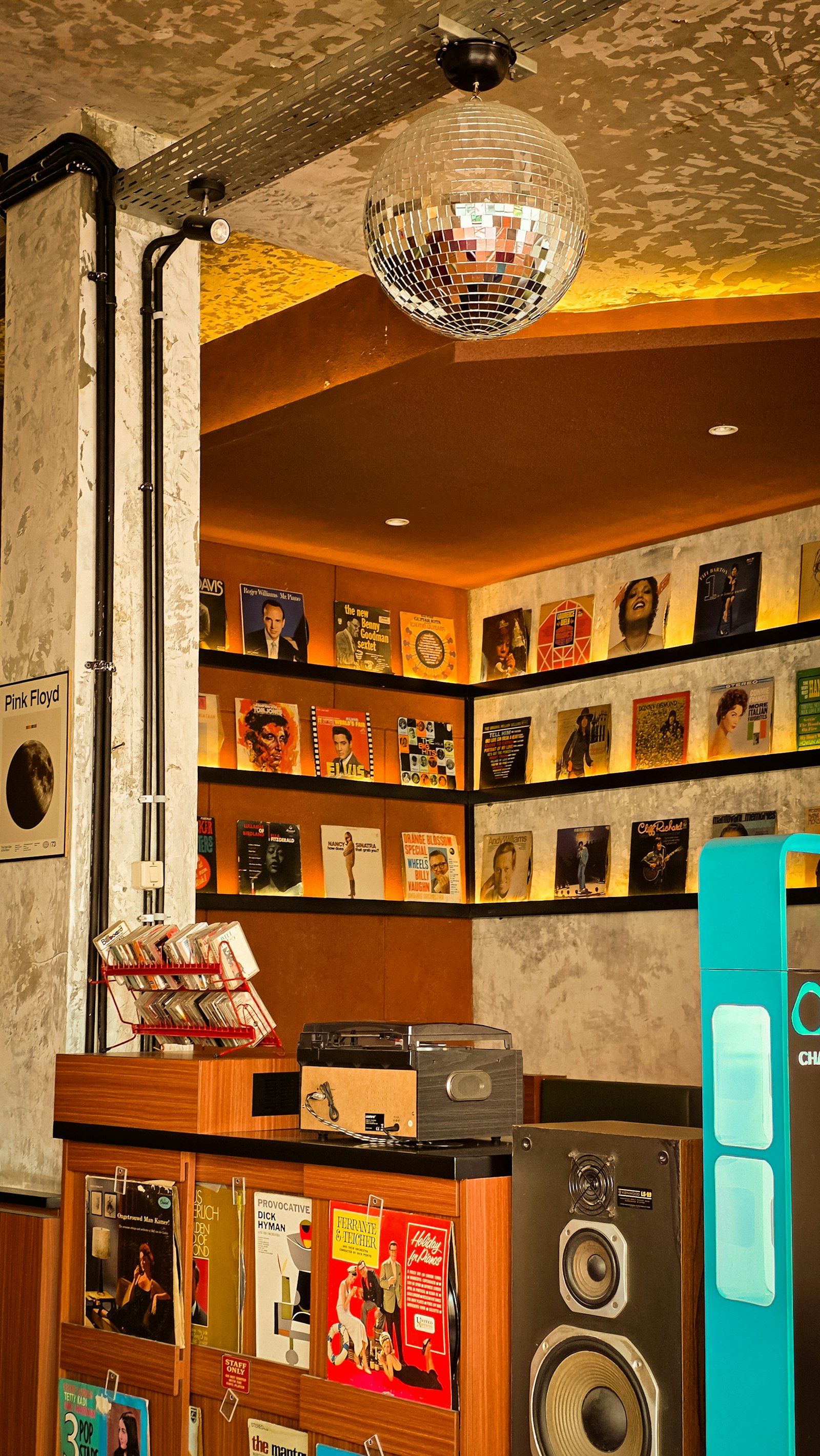 Record shop corner with disco ball, vinyl wall displays and hi-fi speaker
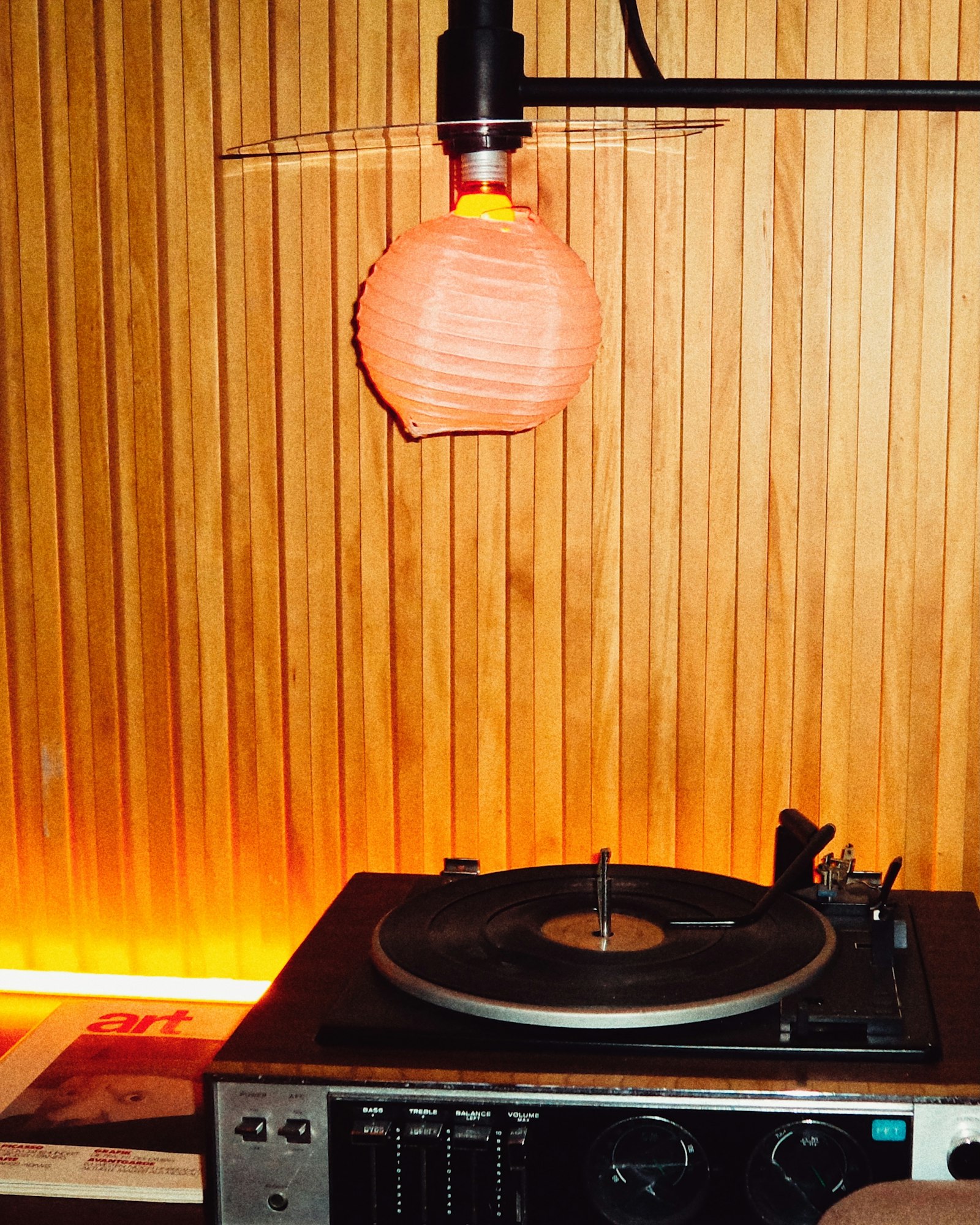 Turntable and amplifier beneath paper lantern in wood-panelled cafe corner
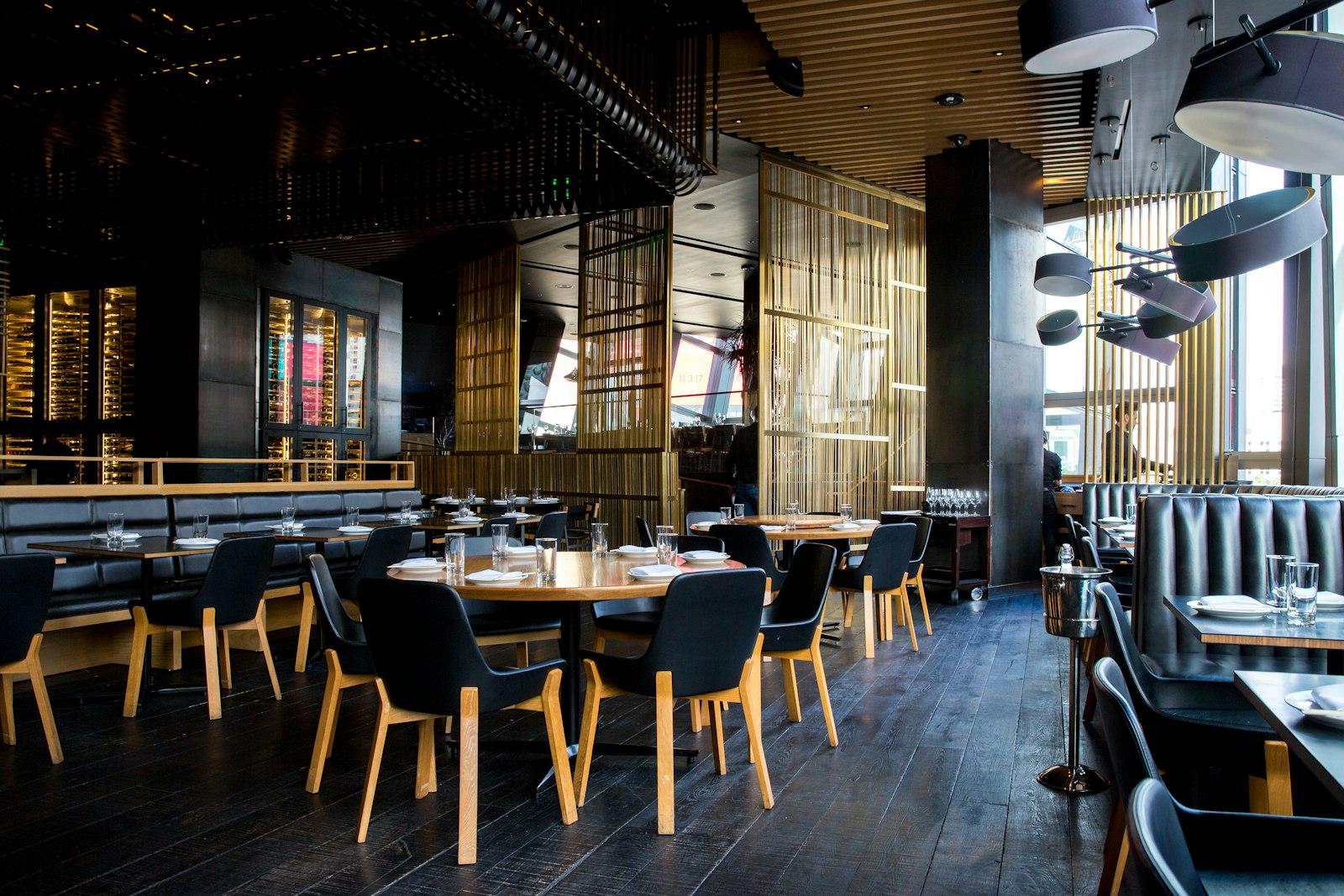 Contemporary restaurant dining room with dark wood floors and brass screens
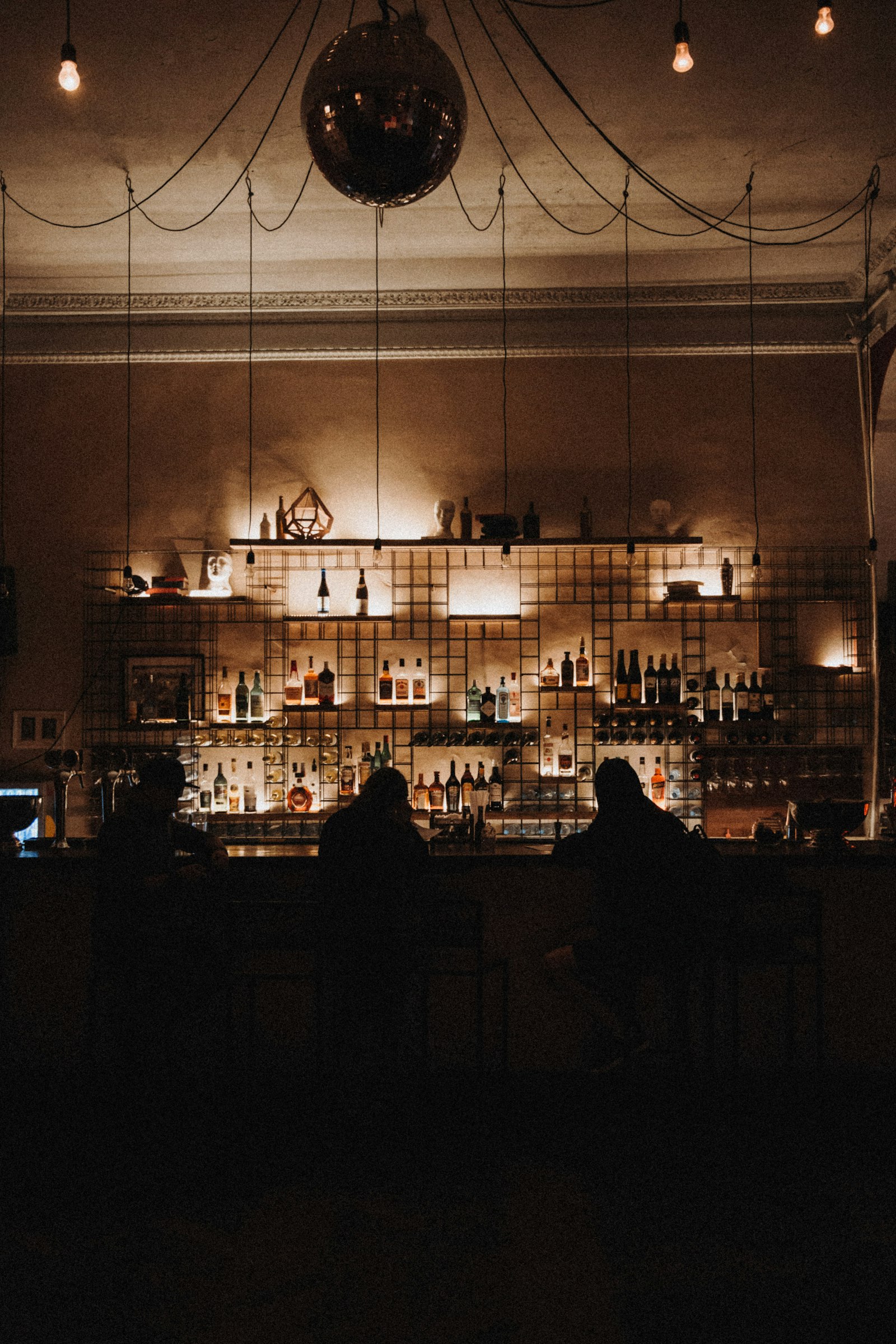 Dimly lit cocktail bar with backlit bottle shelves and hanging bulbs
 Minimalist clothing boutique with garments on white rails and potted plant
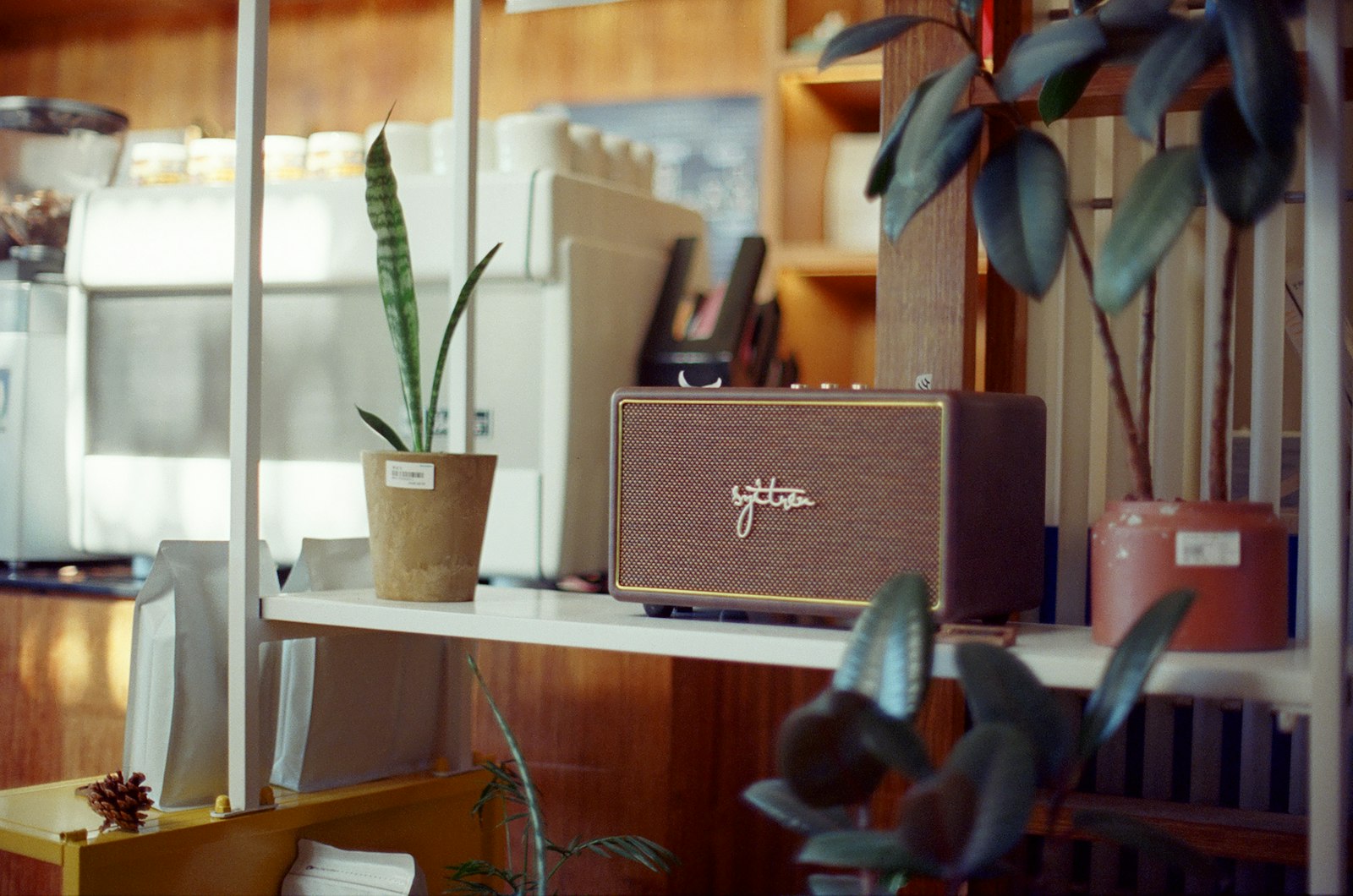 Retro wireless speaker on cafe shelf among plants and coffee equipment
Why it pays off
What you gain
Atmosphere that fits your brand
The right music at the right level makes a shop feel considered and a restaurant feel alive. We design the sound to suit the space and the customers in it.
Even, comfortable coverage
Commercial-grade speakers are spaced so the level feels the same at every table and till point — no shouting under a speaker, no dead corners.
Licensing flagged early
Playing music in a commercial space usually needs a music licence in the UK, typically through PPL PRS. We're installers rather than licensing agents, but we'll flag what's likely to apply before switch-on.
How it works
Three steps, no surprises
Plan zones around the floorplan
We map the space — sales floor, fitting rooms, bar, dining, terrace — and agree where music should lift the atmosphere and where it should stay in the background.
Install around trading
Cabling runs concealed above ceilings and through voids, with work scheduled out of hours or alongside your fit-out so the doors stay open and the site stays tidy.
Tune and train
We balance each zone at trading volume with the space occupied in mind, set simple staff controls with sensible limits, and show your team exactly how to run it.
Sound familiar?
Asked for every week
Tell us the premises size, business type and where the current sound is too loud or too quiet. We will design for even normal-level coverage rather than maximum output.
- Background music across the sales floor and fitting rooms of a boutique
- Café system zoned between counter, seating area and pavement terrace
- Restaurant install with separate levels for the bar and dining room
- Pendant speakers hung in a salon with an exposed ceiling
- Zone controller at the front desk of a boutique gym
- Hotel lobby and lounge music refreshed during a wider refurbishment
Good to know
Common questions
Do we need a music licence?
Playing music in a UK business generally requires TheMusicLicence (PPL PRS). We install hardware compatible with licensed streaming services and point you at exactly what to arrange — it's simpler than it sounds.
Can different areas run different volumes?
Yes — zoning is standard: quieter at tills and tables, livelier in fitting rooms or the shop floor, independent control for outdoor seating.
Sound System Installation
More in this service
Start the conversation
Ready to start your project?
Send a floor plan or photos, ceiling height and trading hours. We can then estimate speaker density and whether a site survey is required.