
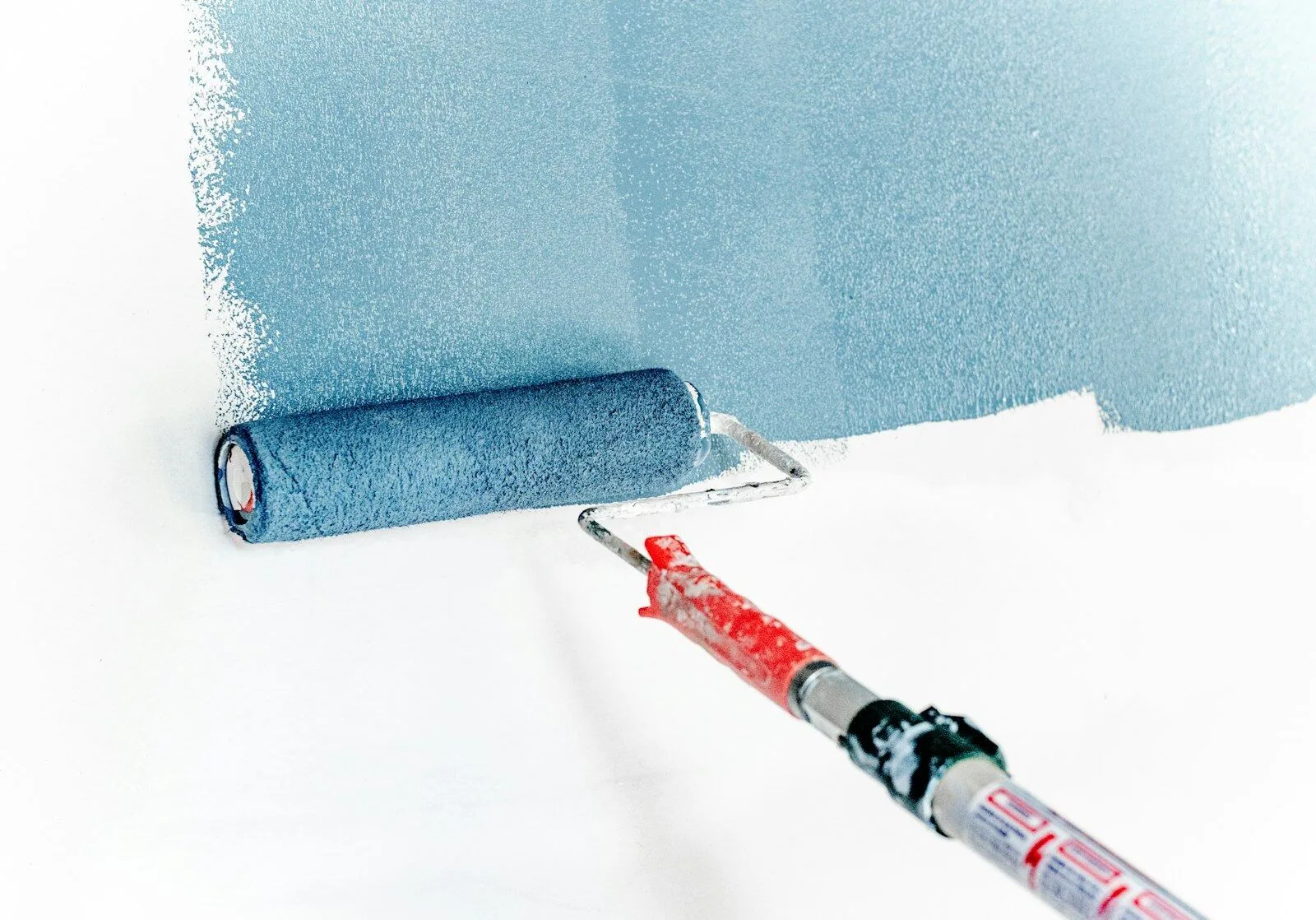
Interiors · Home Decoration & Interior Design
Paint & Decorative Finishes
Designer paint systems chosen for each surface — durable matts for busy hallways, deep colour where a room deserves drama — applied over properly prepared, dead-flat walls. Limewash and mineral finishes available.
The service
What we deliver
A flawless paint finish is ninety per cent preparation — walls filled, sanded and primed until they're dead flat, edges cut sharp, and the right system chosen for each surface. That's the difference between decoration that photographs beautifully and paint that just changed the colour.
We work with the leading trade and designer ranges, advise honestly on where premium paint earns its price, and offer specialist finishes — limewash, mineral paints, high-gloss lacquer looks — where a room calls for something more.
What's included
- Full preparation — filling, sanding, priming
- Designer and trade paint systems, colour-matched
- Durable finishes specified for busy family spaces
- Limewash, mineral and specialist applications
- Woodwork, radiators and metalwork included
- Clean, sealed rooms and daily tidy-ups
From brief to delivery
A premium paint finish is mostly surface preparation, specification and control of the room conditions
We choose preparation and coating systems around the actual substrate and room use, then test colours in the real light before full application.
What we resolve before work starts
We inspect cracks, previous coatings, timber, plaster and high-wear areas before selecting products. Colour is important, but adhesion, sheen and preparation are what determine how the finish behaves after the decorators leave.
- Surface condition and repairs before decoration
- Primer and coating type for plaster, timber, metal or previously painted surfaces
- Colour, sheen and washability by room use
- Specialist limewash, mineral or decorative finishes where appropriate
- Protection strategy for floors, joinery, furniture and occupied areas
What a proper handover should include
Finishes should be inspected after drying and with the room’s real daylight and artificial lighting switched on.
- Walls and ceilings checked for coverage, flashing and visible repair marks
- Woodwork and edges inspected for runs, gaps and clean cut lines
- Colour and product references recorded for future touch-up
- Specialist-finish care guidance provided where relevant
- Protective coverings removed and the room handed back clean
Delivery sequence
How this service moves from idea to finished work
Condition check
We establish what must be filled, sanded, repaired or stabilised before decorative coatings are considered.
Samples & approval
Colour and specialist finish samples are viewed in the actual room so daylight and artificial light can be judged.
Preparation & application
Surfaces are prepared to the agreed standard, protected and coated in the specified sequence.
Final inspection
Finished surfaces are checked in normal room lighting and minor defects are corrected before handover.
Why it is worth planning properly
The right preparation protects both appearance and longevity
More even surfaces
Good preparation reduces visible dents, ridges and old repair lines that premium paint cannot hide.
More predictable colour
Sampling on the real wall helps avoid a colour choice that behaves differently once the whole room is painted.
Better durability where it matters
Hallways, kitchens and family spaces can receive more appropriate washable or hard-wearing systems than low-contact rooms.
Key decisions
What shapes the scope
Existing wall condition, finish level, colour, sheen, specialist texture, woodwork treatment, occupied versus empty property and how much furniture must remain in place all affect the method.
Budget & programme
What usually moves cost or timing
Repair intensity, ceiling height, detailed timber, dark-to-light colour changes, specialist finishes and occupied-room protection are the main variables. The most expensive surprise is usually discovering that a “quick repaint” actually needs significant substrate correction.
In pictures
The work up close
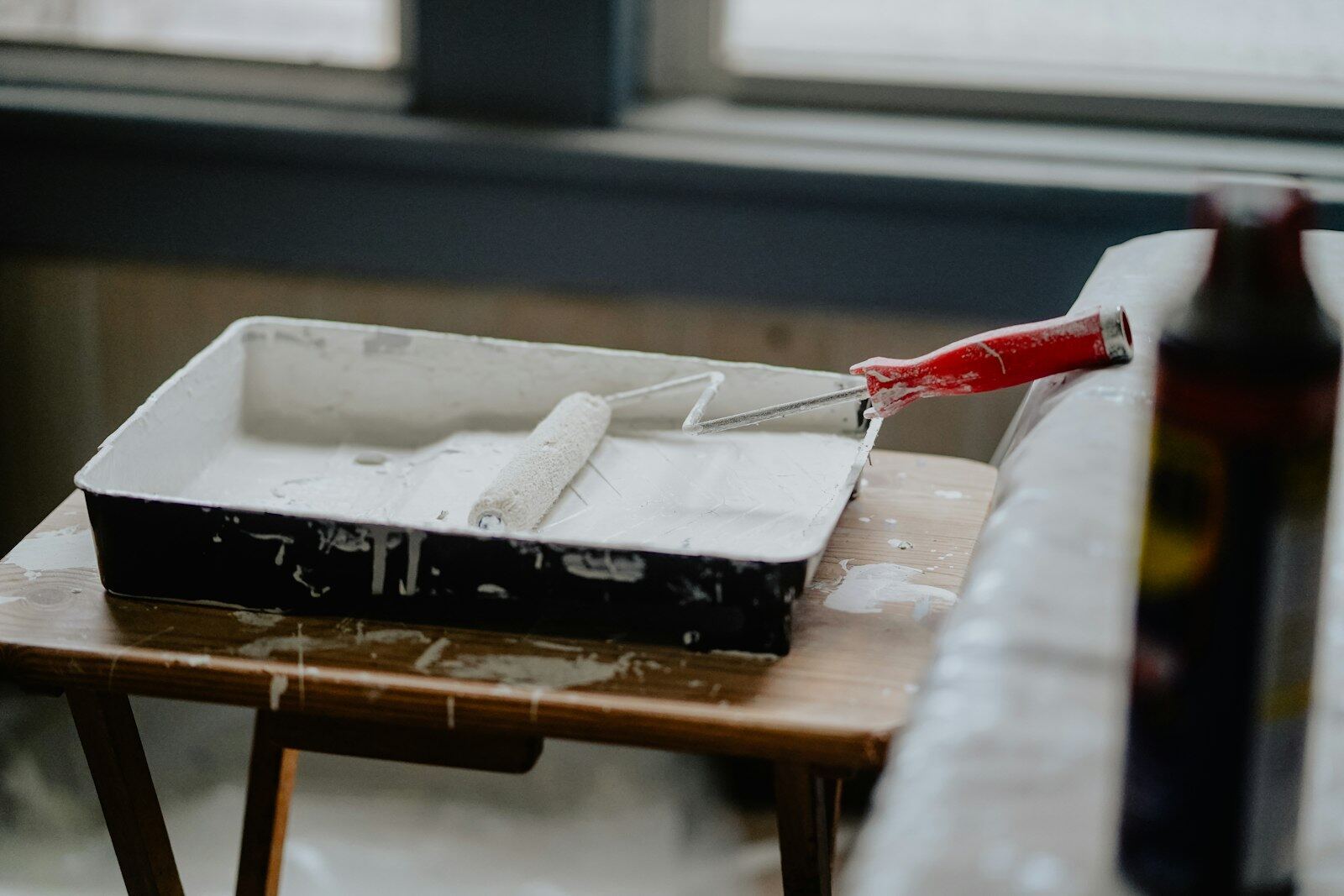 View larger photo
 View larger photo
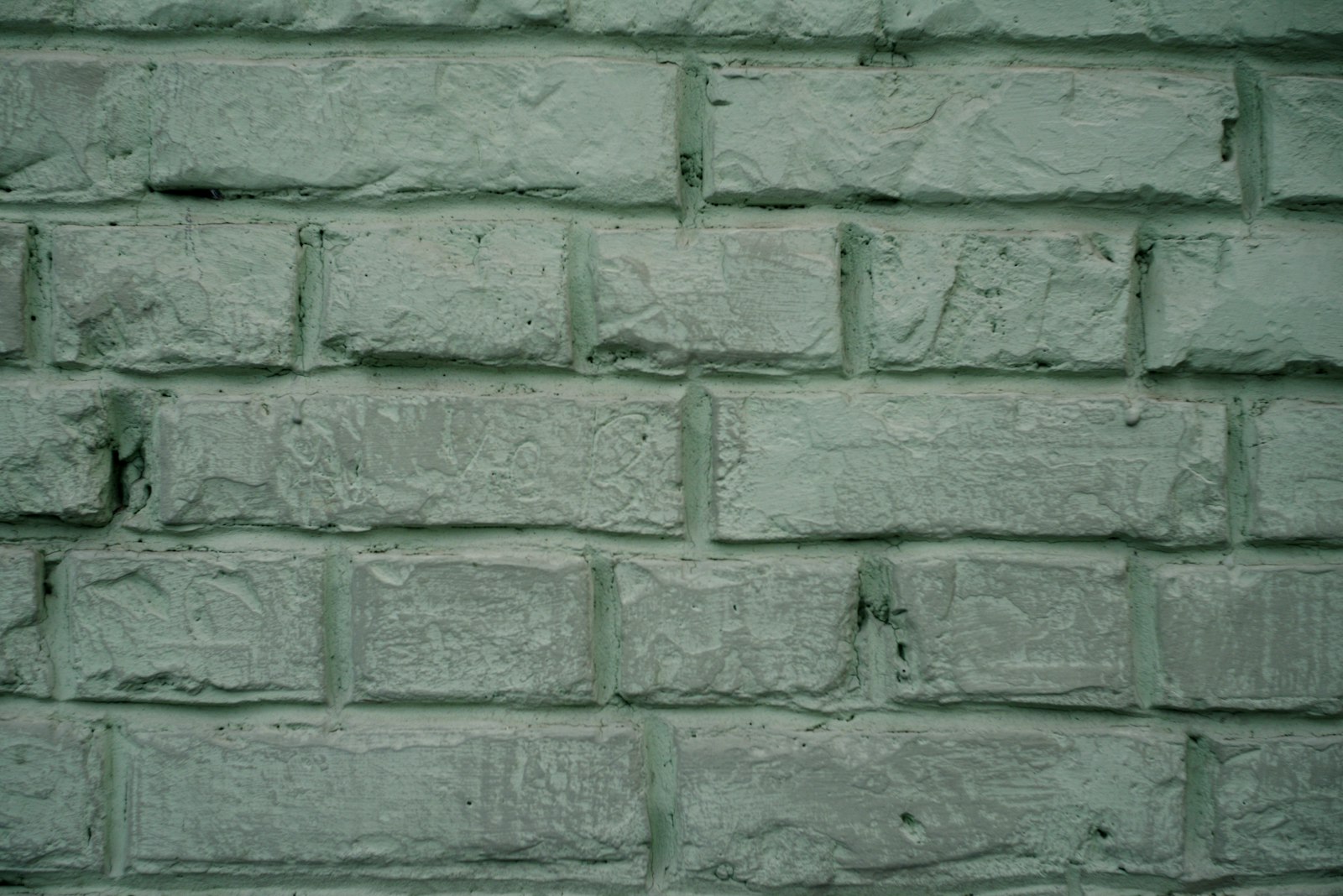 Sage green painted brick wall showing a textured decorative paint finish
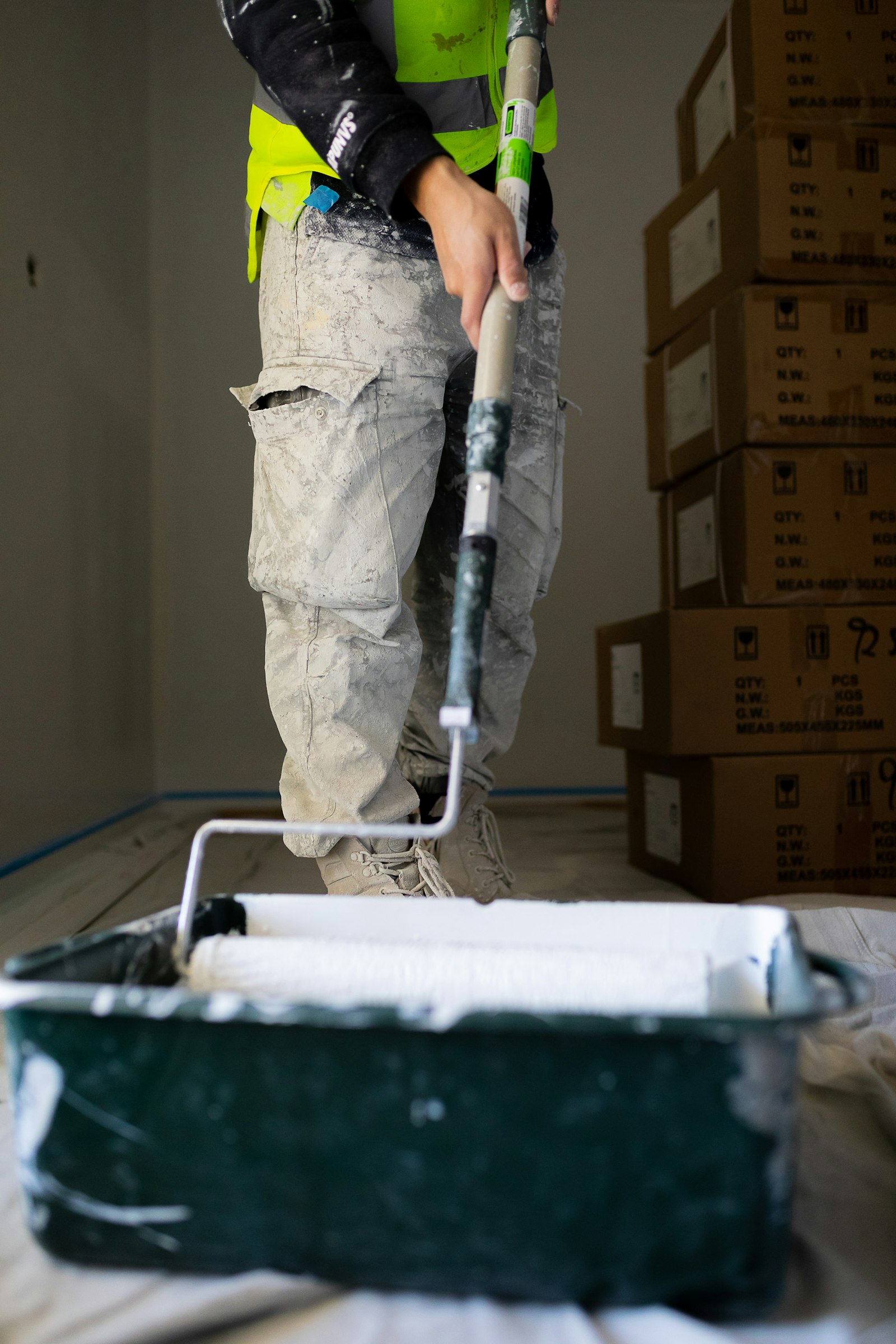 Decorator in work overalls loading a paint roller from a tray indoors
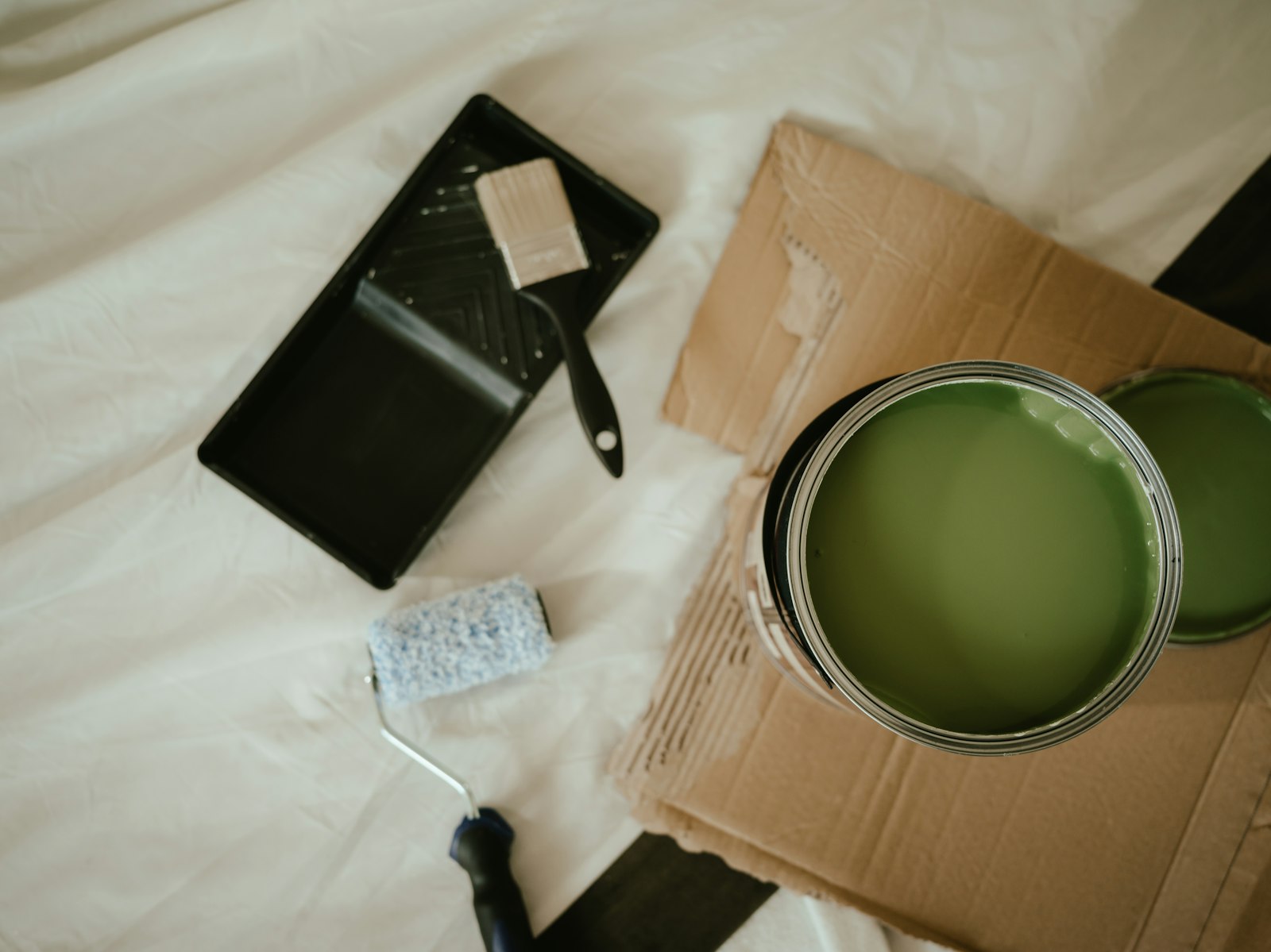 Open tin of sage green paint with roller, brush and tray
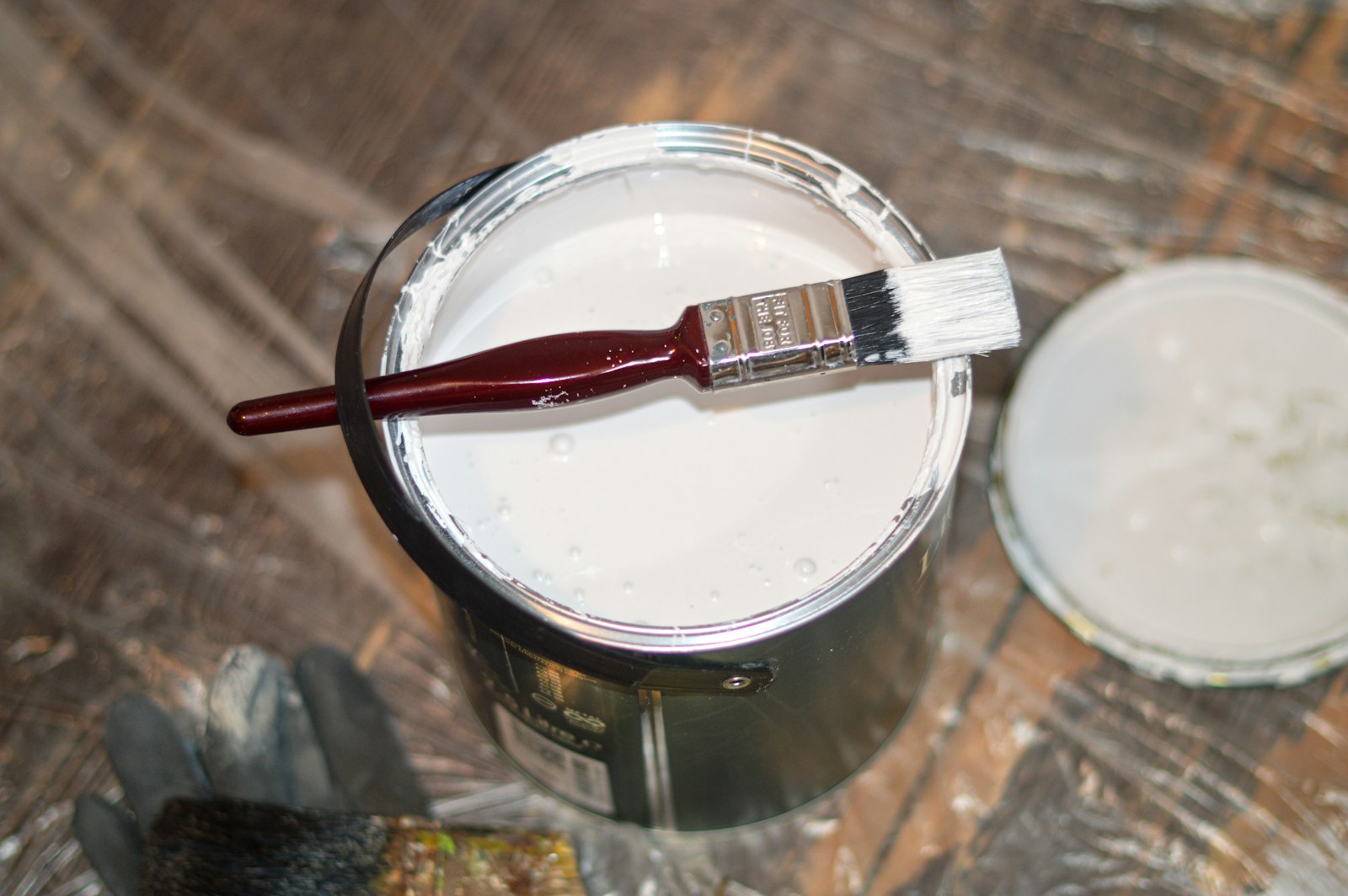 Decorator's brush resting across an open tin of white emulsion paint
 Four pastel paint tester swatches brushed onto a plain white wall
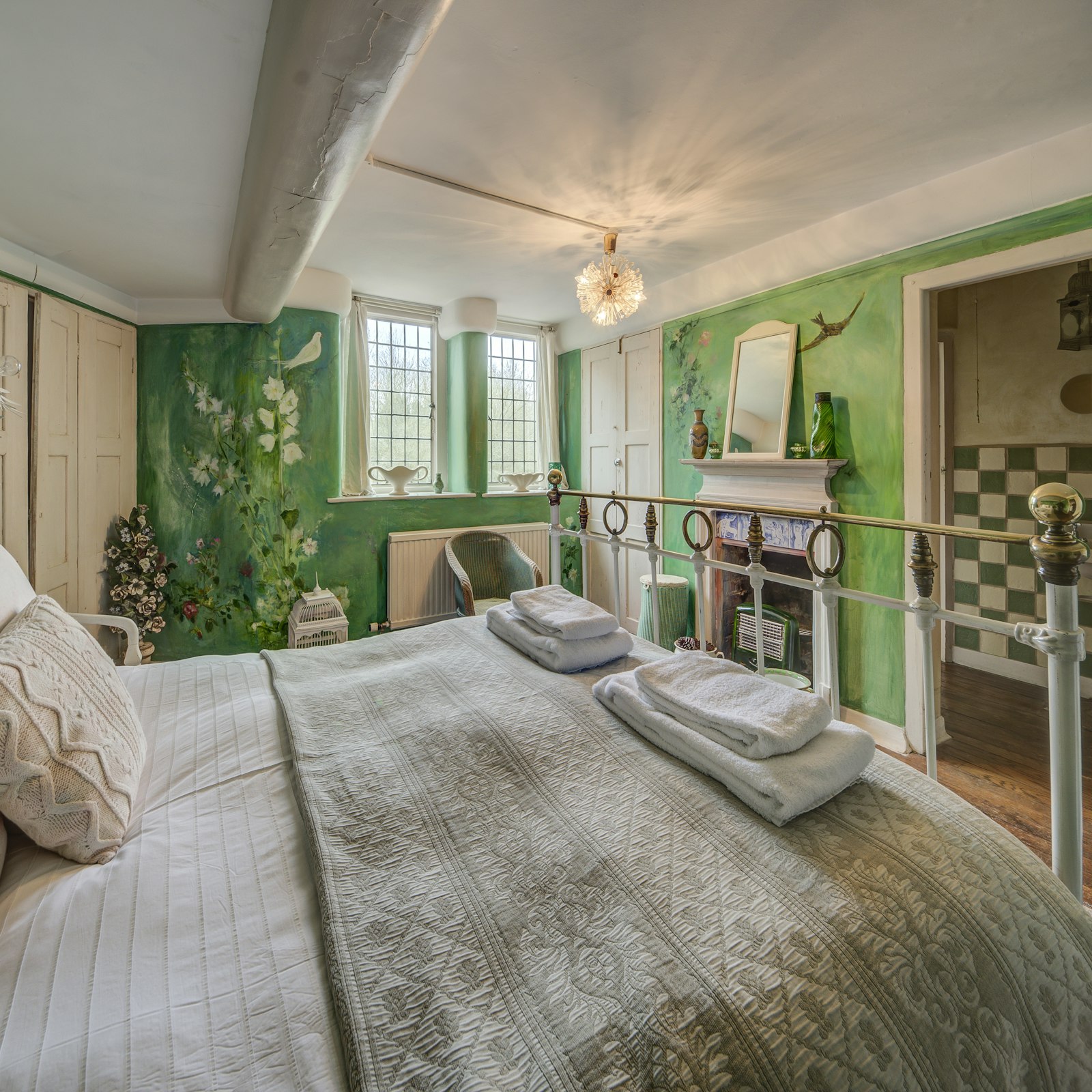 Bedroom with hand-painted green floral mural walls and brass bed frame
Why it pays off
What you gain
Flawless, Lasting Finish
Meticulous surface preparation and premium trade paints give walls and woodwork a deep, even finish. It looks freshly decorated for years, not months.
Colour Confidence
We test shades on your walls in your actual light before a single room is committed. The colour you chose is the colour you live with.
A Protected, Tidy Home
Floors, furniture and fittings are fully sheeted and masked throughout. Every room is cleaned and handed back ready to live in.
How it works
Three steps, no surprises
Colour & Finish Consultation
We visit your home, assess light, proportions and existing features, then help you settle on colours and finishes with sample patches on your own walls.
Preparation & Application
Surfaces are filled, sanded and primed properly before painting begins. Specialist finishes such as limewash or polished plaster are applied by decorators who work with them daily.
Inspection & Handover
We walk each room with you in good light, snag anything that needs touching in, and leave you with the exact colour references for future touch-ups.
Sound familiar?
Asked for every week
Send clear photos in daylight and tell us whether the priority is a colour change, correcting poor previous work or creating a specialist decorative effect. We will focus the scope on preparation before product selection.
- Repaint a whole Victorian terrace in heritage shades before moving in
- Colour-drench a study or snug in a single deep, dramatic shade
- Restore and repaint original sash windows, skirting boards and picture rails
- Apply a polished plaster feature finish to a hallway and stairwell
- Repaint and refresh a rental flat between tenancies
- Limewash a living room for a soft, cloudy, lived-in texture
Good to know
Common questions
Is designer paint really worth it?
Sometimes. Depth of colour and finish quality genuinely differ in the premium ranges, but on ceilings and low-light walls a top trade emulsion is often indistinguishable. We'll tell you room by room where the money shows.
How long does a room take?
A typical room takes two to three days done properly — most of which is preparation. Whole-house redecoration is usually measured in weeks; we'll give you a fixed programme before we start.
Home Decoration & Interior Design
More in this service
Start the conversation
Ready to start your project?
Share room photos, approximate size, preferred colours or references and whether the property will be occupied during the work. A site check may be needed where wall condition cannot be judged remotely.