
Commercial · Shop & Commercial Decoration
Commercial Lighting Design
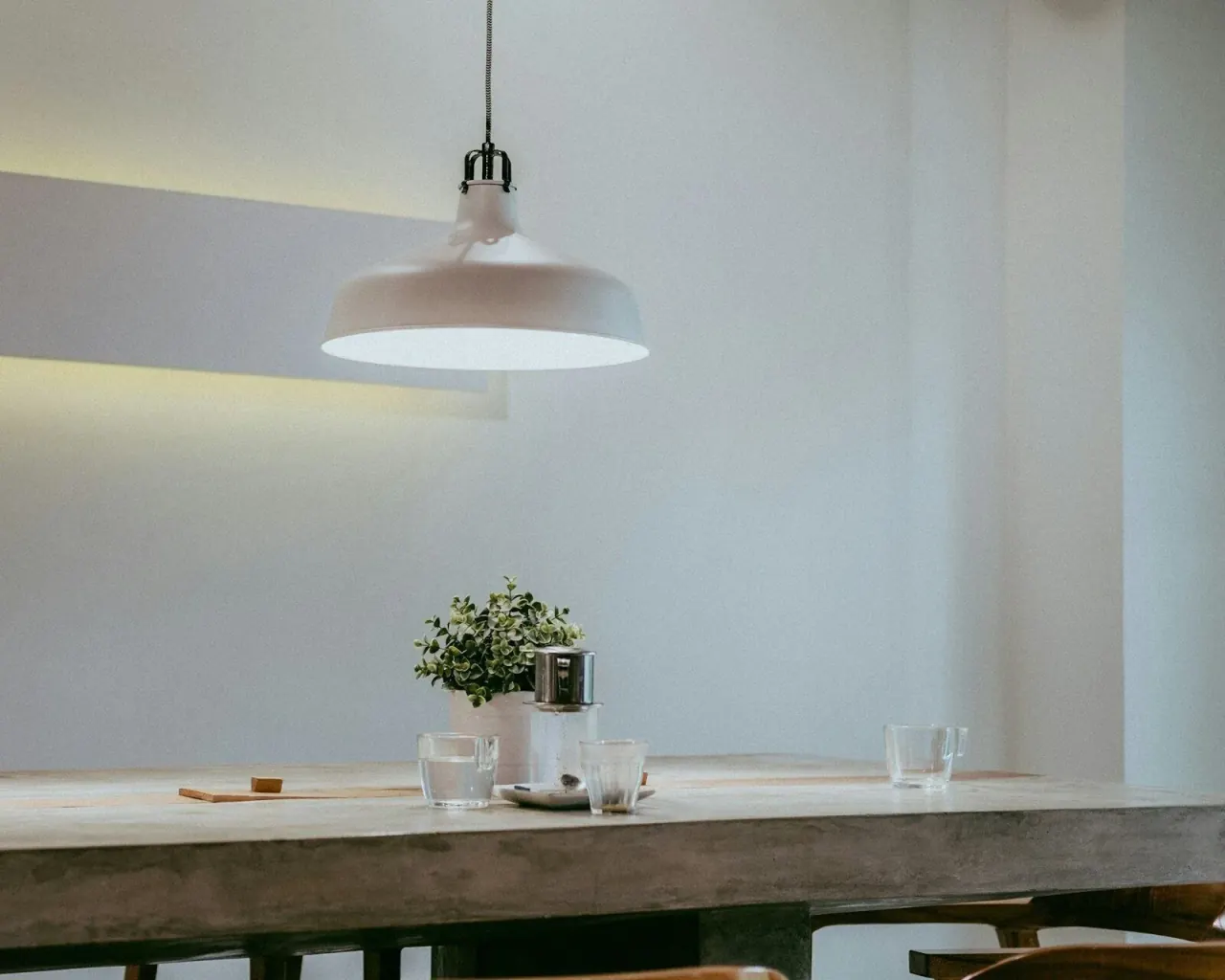
Display lighting that makes product look its best, ambient light that flatters the space, and sensible energy costs — with track systems that adapt when the merchandising changes.
The service
What we deliver
Retail lighting has one job: make the product irresistible and the space easy to be in. That means accent light on heroes, comfortable ambient levels, true colour rendering so goods look right — and an energy bill that doesn't punish you for opening.
We design and install track, display and architectural lighting that flatters product and adapts when your merchandising changes.
What's included
- Lighting design around product and zones
- Track systems that adapt to new displays
- High colour-rendering LEDs for true product colour
- Window displays lit to work at street level
- Energy-efficient scheme with sensible controls
- Emergency-lighting requirements coordinated where identified within the agreed fire-safety/electrical scope
From brief to delivery
Commercial lighting should make products, people and circulation read correctly throughout the trading day
We design the lighting around merchandise, task areas, customer movement and the character of the space, then coordinate circuits, controls, mounting positions and electrical work before final aiming and commissioning.
What we resolve before work starts
The design begins with what needs to be seen and why. General light supports orientation; accent light creates hierarchy; task light supports staff work; display and window lighting need to perform against ambient daylight. We avoid treating every square metre as if it needs the same light level or fitting.
- Product/display zones and surfaces that need visual priority
- General, accent, task and window-display lighting layers
- Colour rendering and colour temperature appropriate to merchandise and materials
- Track, recessed, pendant or integrated positions coordinated with ceiling and fixture layout
- Dimming/control groups, switching and coordination of emergency-lighting requirements where those are identified within the premises fire-safety design
What a proper handover should include
The final result depends on aiming and control after shelves, counters and key displays are in place. Commercial lighting should be commissioned in the finished space, not left at factory-default settings.
- Track heads and adjustable fittings aimed against actual display zones
- Dimming scenes or switching groups tested with staff
- Fitting/driver references and control information recorded where supplied
- Access to replaceable drivers or lamps identified where relevant
- Emergency-lighting elements, where separately in scope, handed over with the applicable project-specific test/documentation rather than assumed from the decorative scheme
Delivery sequence
How this service moves from idea to finished work
Lighting brief & survey
We review the business type, display strategy, ceiling, existing electrical infrastructure, daylight and trading requirements.
Lighting plan & specification
Fitting types, beam spreads, positions, control groups and integration with furniture/signage are set before ordering and first fix.
Electrical installation
Circuits, track, drivers, controls and fittings are installed in coordination with ceilings, decoration and shop fixtures. Electrical work is handled to the applicable project requirements.
Aiming & commissioning
Once the space is dressed, adjustable fittings are aimed, scenes refined and staff shown how to change lighting for normal trading or display updates.
Why it is worth planning properly
Good lighting can make the same merchandise easier to read, compare and trust
Clearer product hierarchy
Accent lighting can direct attention to hero products, feature walls or promotional areas without turning the whole shop brighter.
More accurate material and colour perception
Appropriate light quality helps fabrics, food, finishes and packaging appear closer to their intended colour and texture.
More adaptable merchandising
Track and grouped controls can make it easier to change display emphasis when stock or seasons change, without rebuilding the ceiling each time.
Key decisions
What shapes the scope
Product type, display height, ceiling structure, daylight, brand mood, colour rendering, beam angle, dimming, energy priorities, window display, cleaning/maintenance access and the premises fire-safety requirements all influence the design. Emergency escape lighting is a separate life-safety consideration and must be coordinated with the responsible person’s fire-risk assessment and relevant professional requirements.
Budget & programme
What usually moves cost or timing
Fitting quality, track length, number of circuits/control groups, new electrical routes, ceiling access, specialist display integration and commissioning time are key variables. Keeping unsuitable existing circuits can reduce initial work but may limit zoning and flexibility.
In pictures
The work up close
 View larger photo
 View larger photo
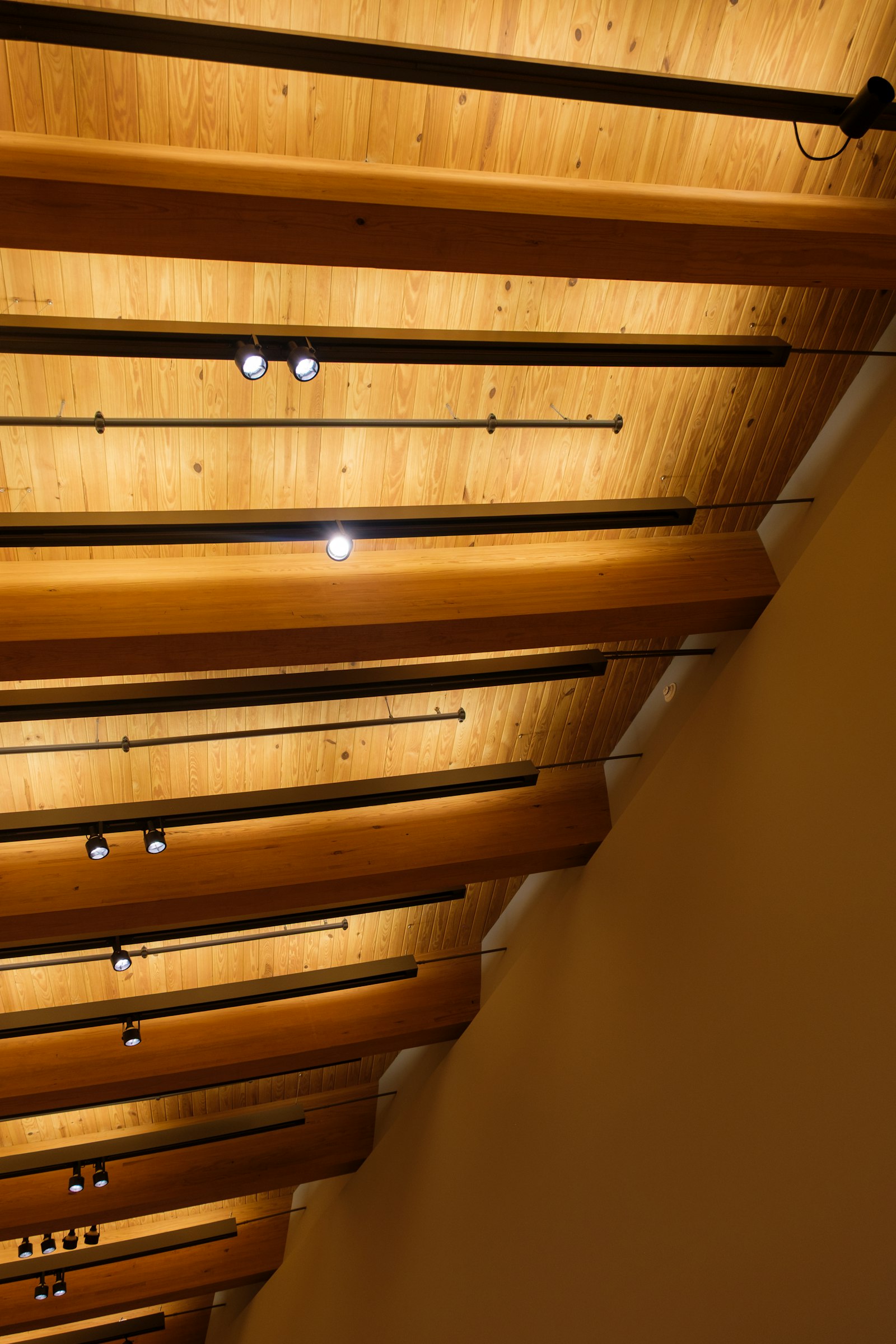 Track mounted spotlights illuminating a timber beamed ceiling in commercial space
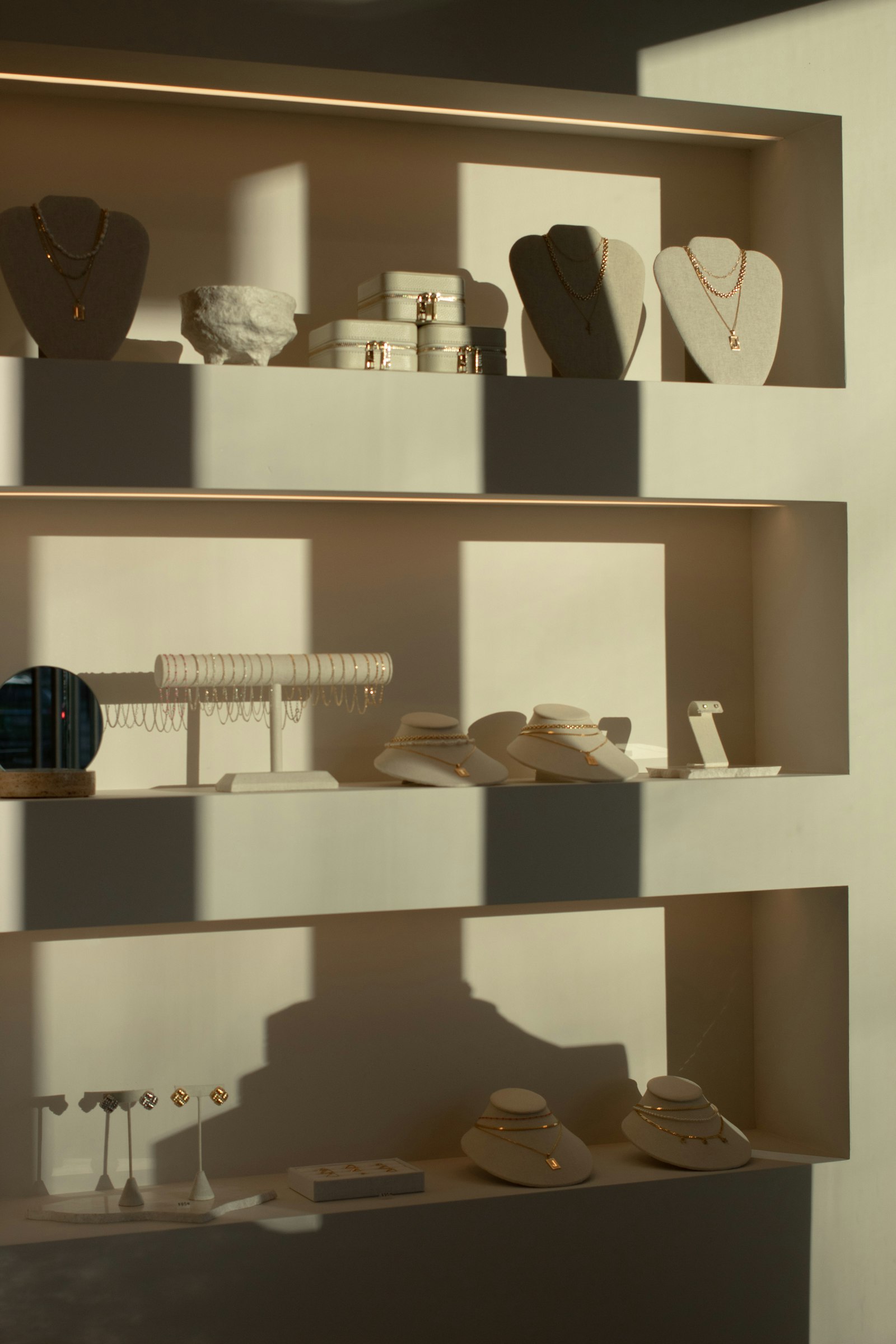 Jewellery display shelves lit by concealed linear LED strip lighting
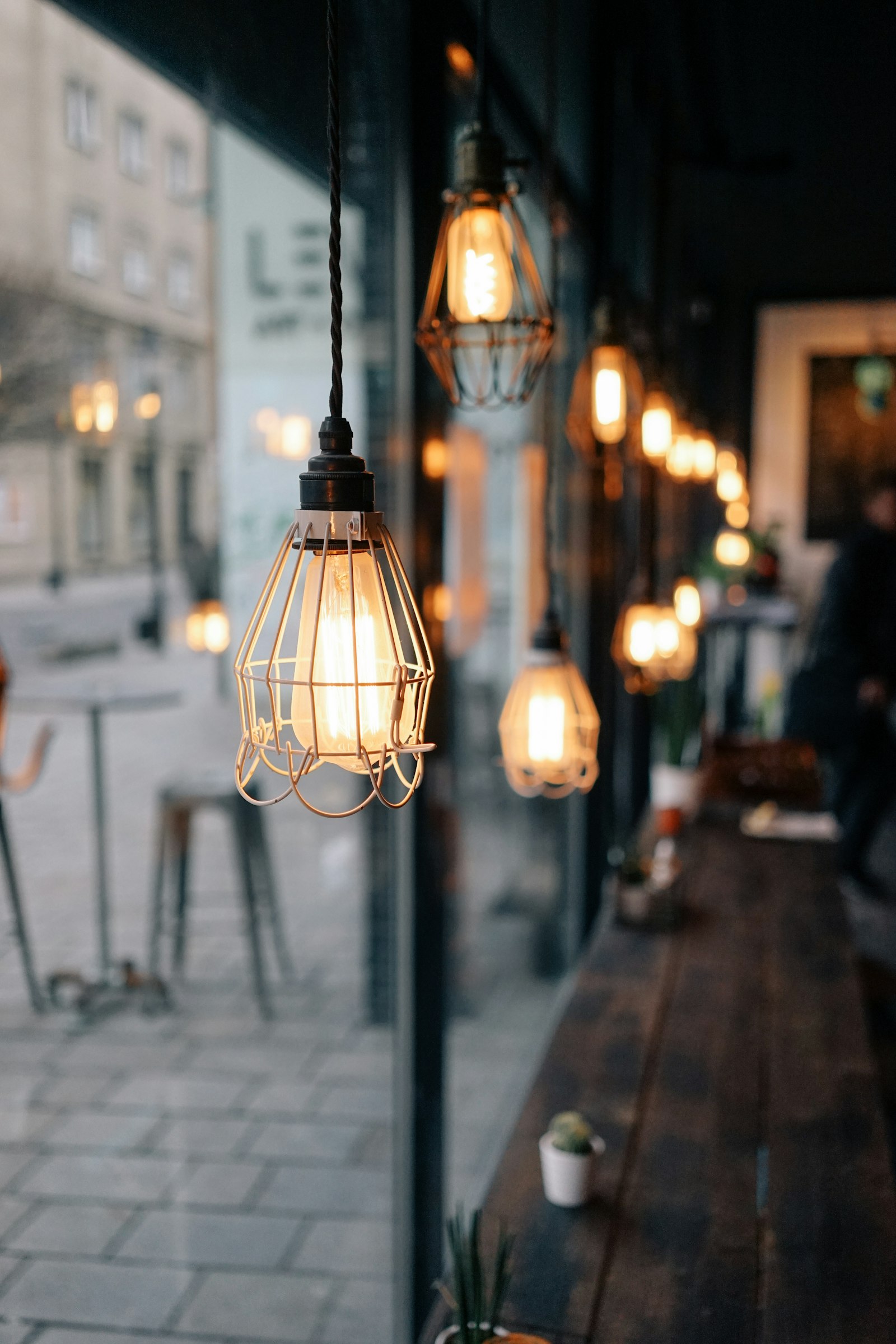 Caged filament pendant lamps glowing in a cafe window row
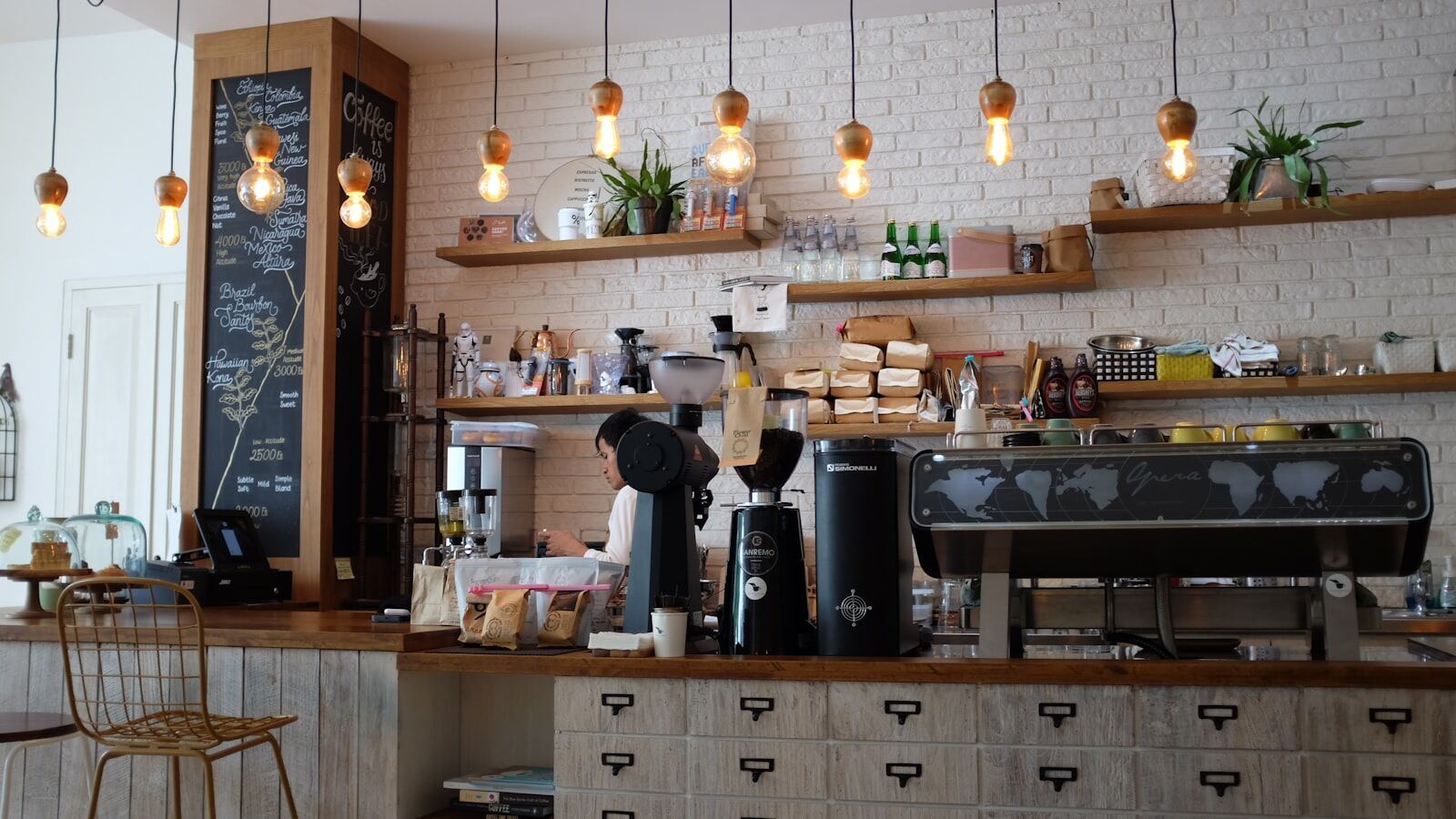
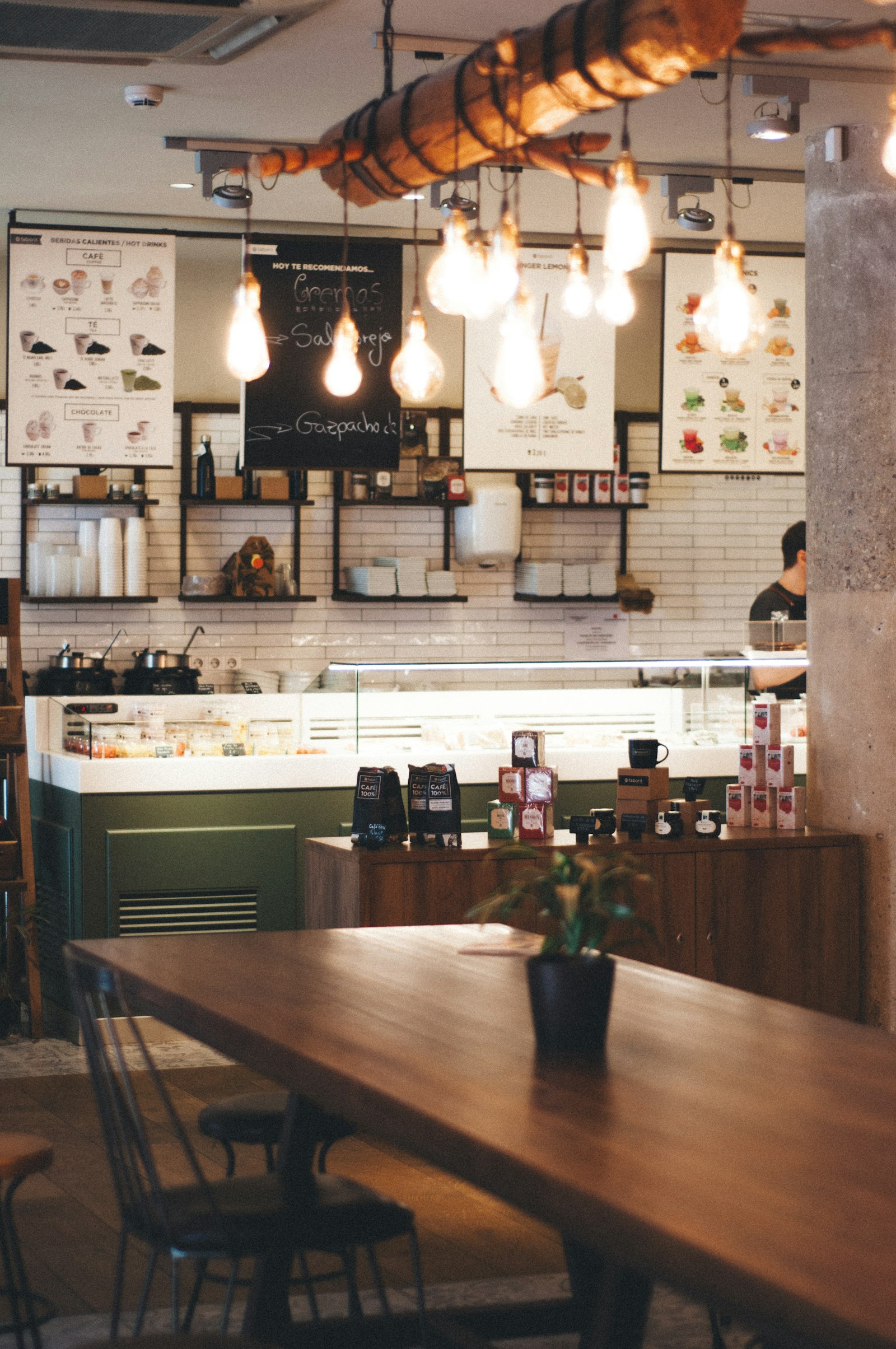 Exposed filament bulbs suspended above a cafe deli service counter
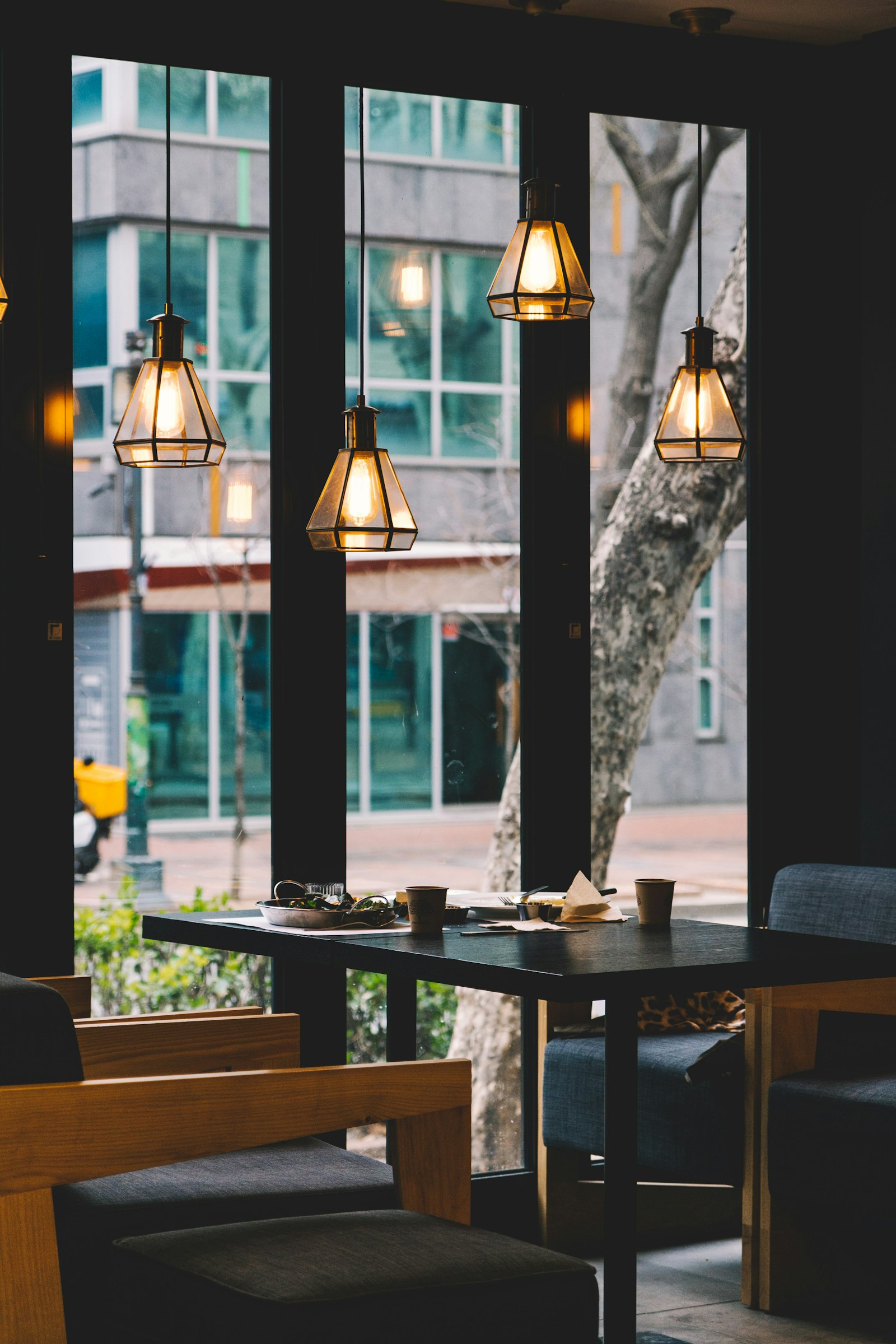 Brass and glass pendant lanterns hanging beside cafe window tables
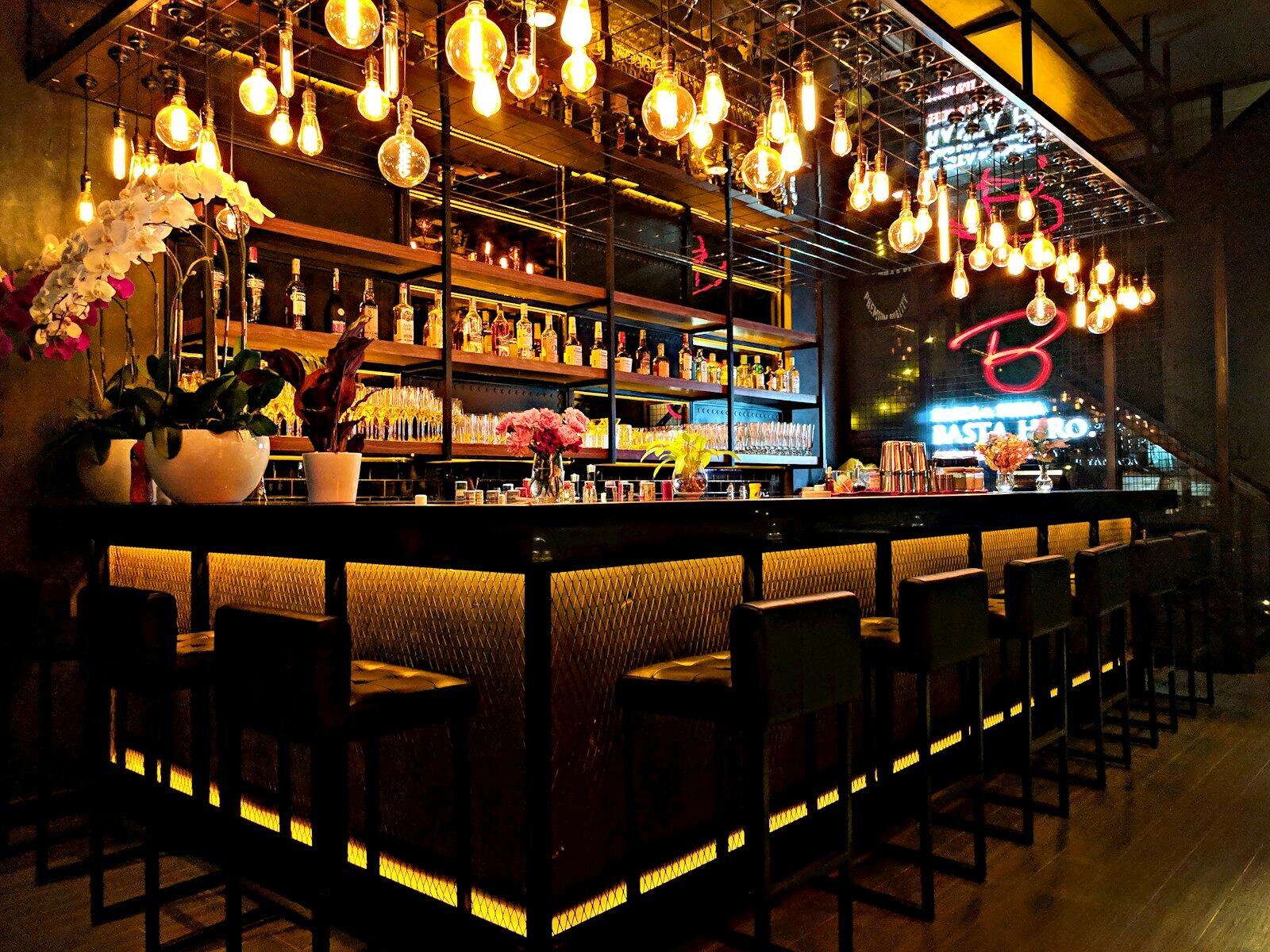
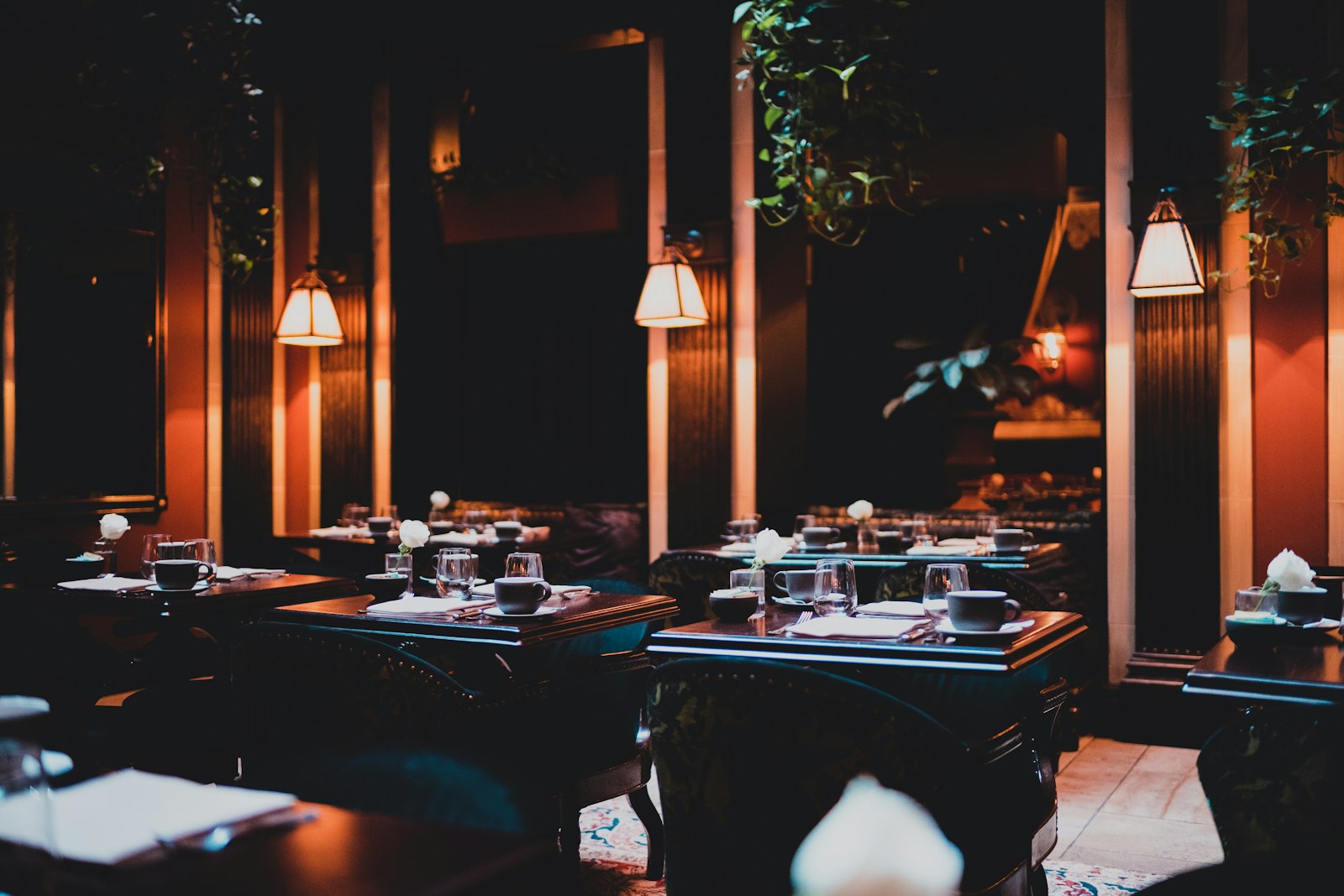 Elegant dark restaurant dining room with warm lantern wall lighting
Why it pays off
What you gain
Light that sells
Well-aimed spots and track lighting lift colour and texture, so displays and products look their absolute best.
Lower running costs
Swapping tired fittings for efficient LEDs can reduce energy use and cut down on maintenance call-outs.
Sets the right mood
Layered ambient, task and accent lighting gives the space warmth and character rather than a flat, over-lit feel.
How it works
Three steps, no surprises
Brief & site visit
We assess your existing fittings, natural light and what each area needs to do, from display drama to safe back-of-house task lighting.
Out-of-hours delivery
Wiring, tracks and fittings go in during evenings or overnight, with circuits tested and made safe before every opening time.
Handover ready to trade
Fittings are aimed, dimming levels set and everything demonstrated to your team, so the lighting works for you from day one.
Sound familiar?
Asked for every week
Tell us what you sell, which displays need priority and what is wrong with the current light — flat products, glare, dark zones, poor colour or high energy use. We will design around the business task rather than simply increase brightness.
- Track and spot scheme to lift a jewellery counter
- Warm pendant lighting over a café's seating area
- Replacing flickering fluorescents with LED panels in a salon
- Feature lighting for a wine shop's display wall
- Dimmable zones for a restaurant moving from lunch to evening service
- Window display lighting refreshed ahead of Christmas trading
Good to know
Common questions
Why do our products look better in the window than in-store?
Almost always colour rendering and contrast: tired fluorescents flatten colour and kill texture. High-CRI LEDs with proper accenting routinely transform how stock reads — before touching anything else.
Can lighting really change sales?
Retailers consistently see better engagement with well-lit heroes and comfortable ambient levels. Light is the cheapest merchandising tool you have; we make it work as hard as your buying does.
Shop & Commercial Decoration
More in this service
Start the conversation
Ready to start your project?
Send a floor plan, ceiling height, shop photos and display/fixture layout if available. A lighting survey can then define positions, circuits and the scope for reuse or replacement of existing fittings.