
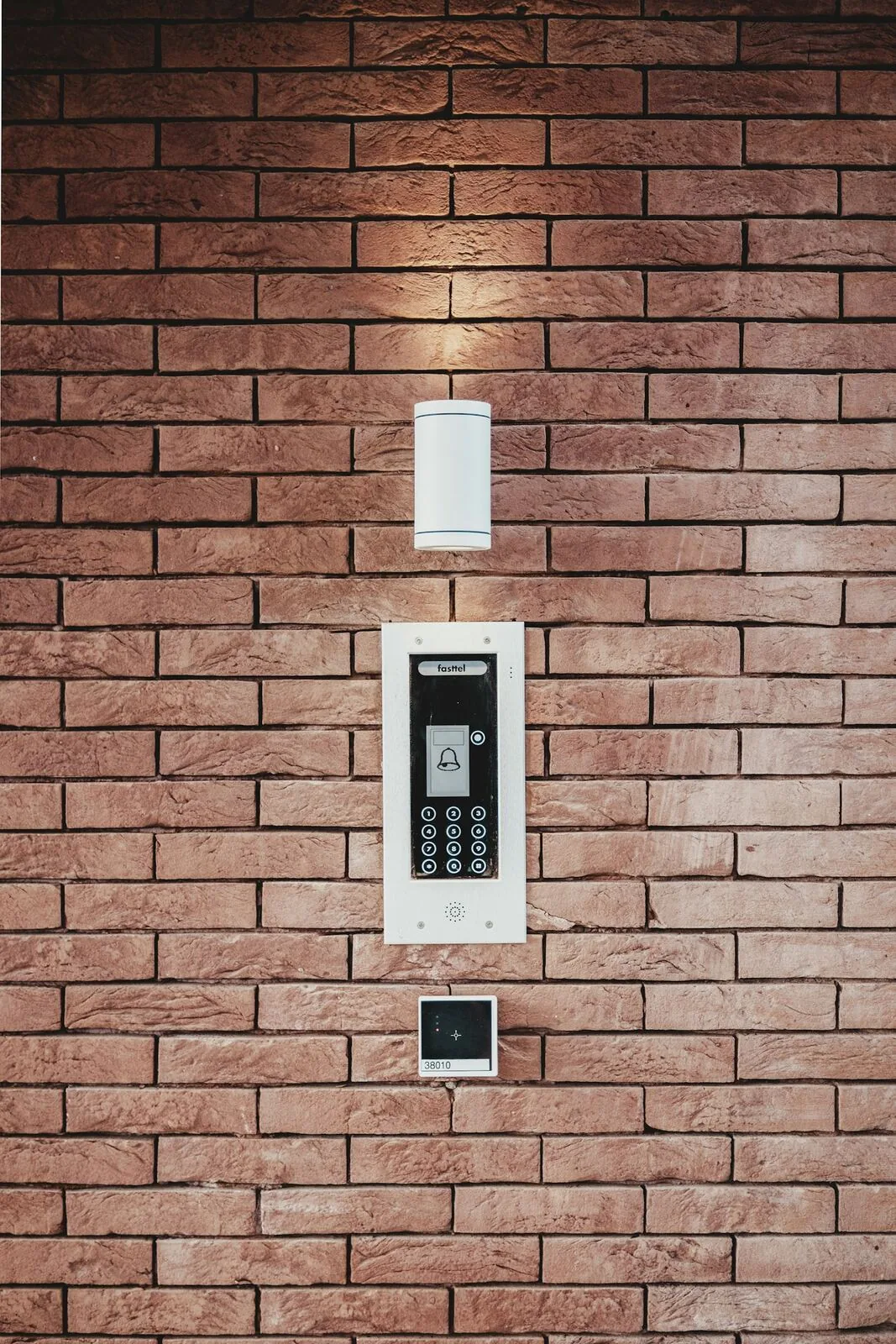
Security · Security Camera & Alarm Systems
Smart Locks & Entry Systems
Keyless entry with a code, fob or phone per person — codes for the cleaner that work on Tuesdays, one-time codes for trades, and a full history of who came and went.
The service
What we deliver
Keyless entry ends the key-under-the-mat era: per-person codes and fobs, one-time codes for trades, schedules for cleaners, and a log of exactly who came and went. Lose a phone and access is revoked in seconds — try that with a lost key.
We fit insurance-rated smart locks on timber, composite and uPVC doors, keep a mechanical key override where wanted, and integrate locking with your alarm and lighting so leaving home becomes one action.
What's included
- Insurance-rated smart locks professionally fitted
- Codes, fobs and phone access per person
- One-time and scheduled access for visitors and trades
- Full entry history in the app
- Mechanical override retained where preferred
- Auto-locking and away-mode integration
From brief to delivery
A smart lock is useful when access changes often and the door remains mechanically dependable
We match lock technology to the actual door, then organise user codes, phones, fobs or schedules around residents, staff, cleaners or short-term access needs.
What we resolve before work starts
Not every door suits every smart lock. We check the existing mechanism, escape route, power/battery strategy and fallback before recommending a device or entry method.
- Door and existing lock compatibility
- Primary credential: phone, PIN, fob, card or combination
- Backup/override entry method
- Temporary and scheduled user requirements
- Battery, power and network dependencies
What a proper handover should include
The owner should control the master/admin account and know how to add or remove a user without calling the installer.
- Owner administrator access confirmed
- Regular and temporary users set up as agreed
- Backup key/override or emergency method demonstrated where the product provides one
- Battery warnings and replacement/charging process explained
- Auto-lock, schedules and notifications tested
Delivery sequence
How this service moves from idea to finished work
Door assessment
We inspect the door and lock operation before adding electronic control.
Access policy
We define who needs permanent, temporary or scheduled entry and the preferred credential.
Hardware installation
Compatible lock/control hardware is fitted and the door is adjusted if required for reliable closing.
Account & user setup
Permissions, notifications and backup entry are configured and demonstrated.
Why it is worth planning properly
Individual access is easier to control than one shared physical key
Revocable access
A code or digital credential can be removed when no longer needed without necessarily recovering a copied key.
Scheduled permissions
Supported systems can limit particular users to agreed time windows instead of providing unrestricted access.
Activity visibility
Some systems can record credential events, helping owners understand authorised access subject to the product and privacy context.
Key decisions
What shapes the scope
Door compatibility, user count, credential type, remote access, auto-lock preference, physical key backup, audit-history needs and internet/cloud dependency all affect selection.
Budget & programme
What usually moves cost or timing
Lock hardware, door modification, gateways/hubs, access readers and integration with intercoms or gates are the main variables. A poorly aligned door may need mechanical adjustment before any smart lock can operate reliably.
In pictures
The work up close
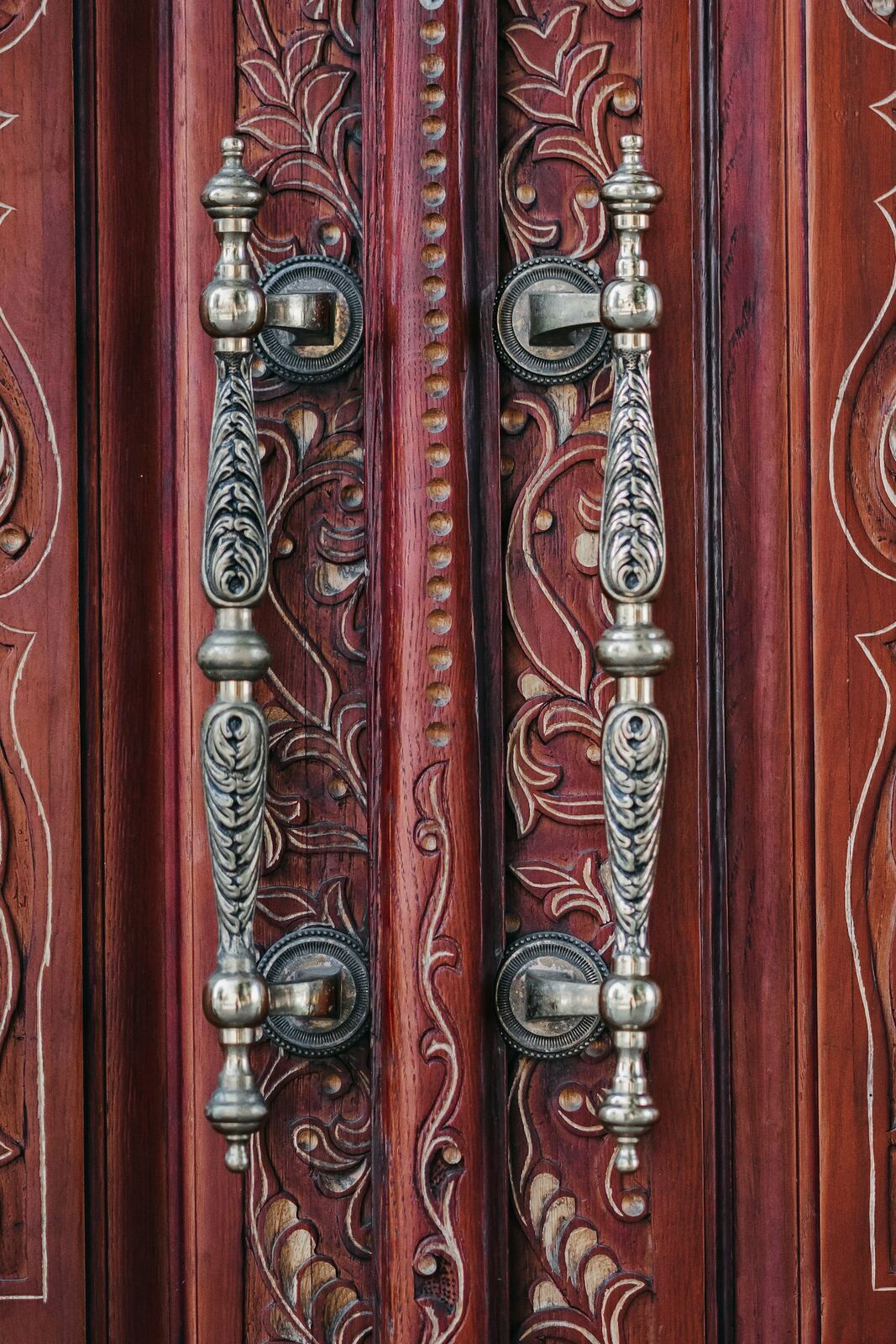 View larger photo
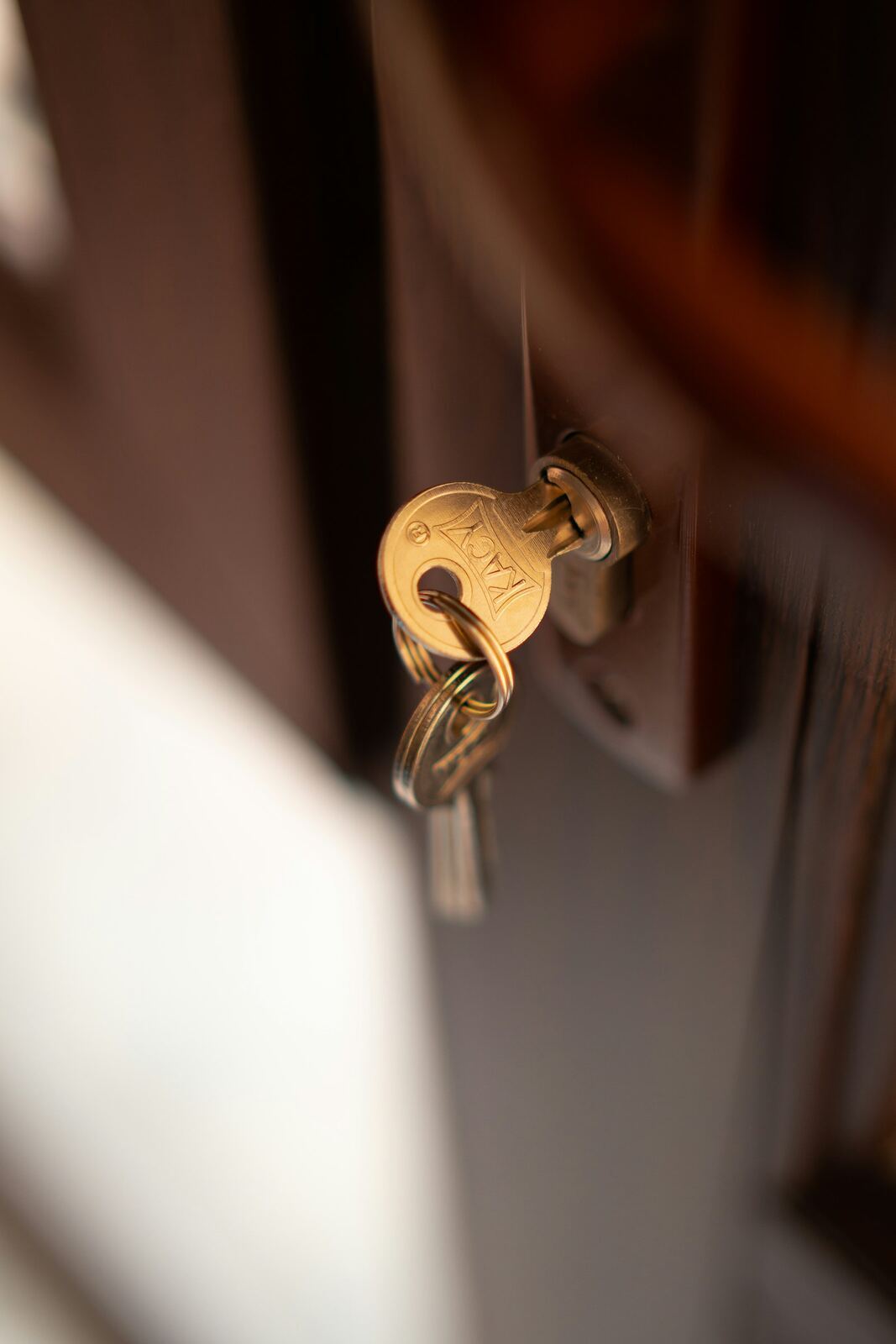 View larger photo
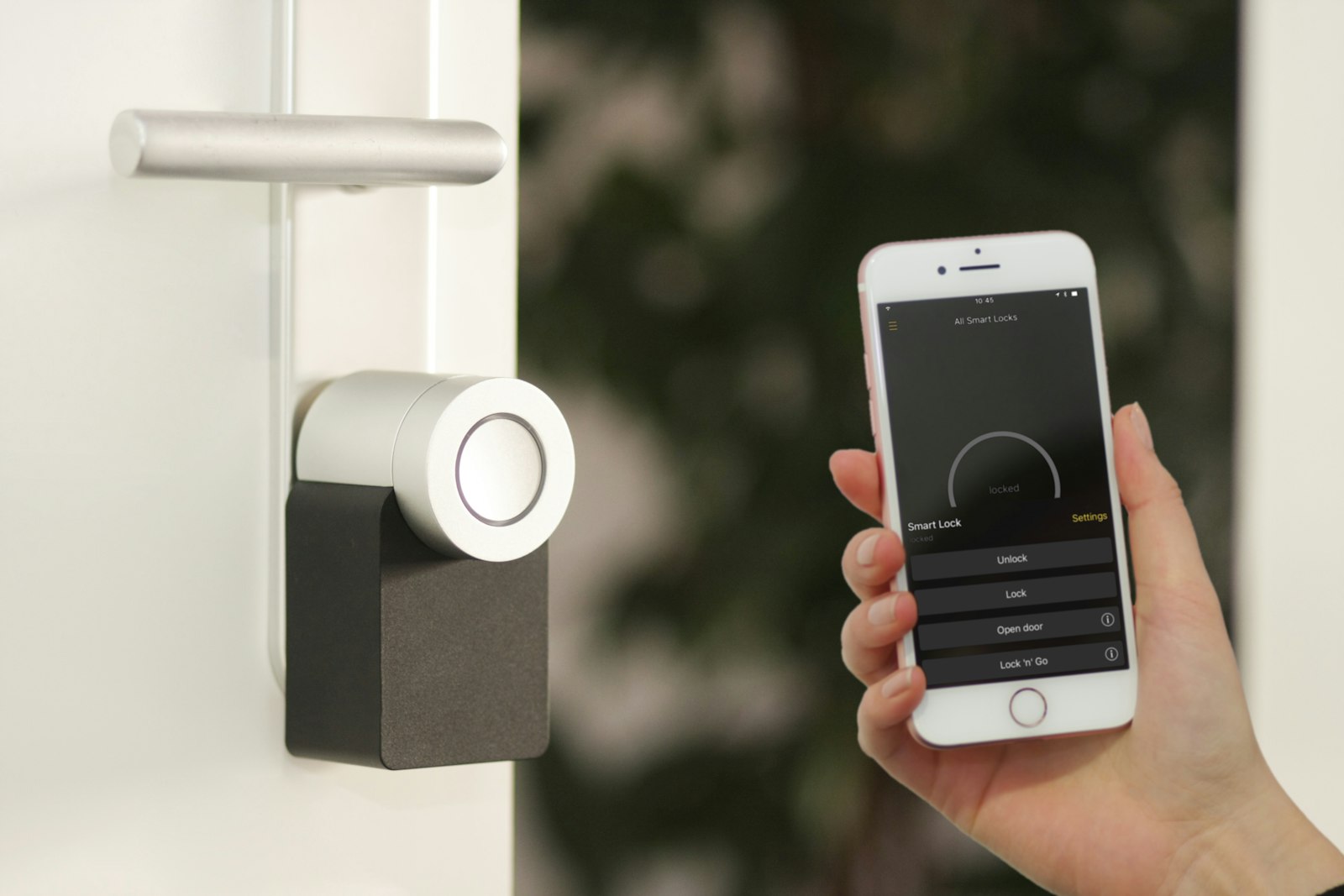 Smartphone app controlling a silver smart lock cylinder on white door
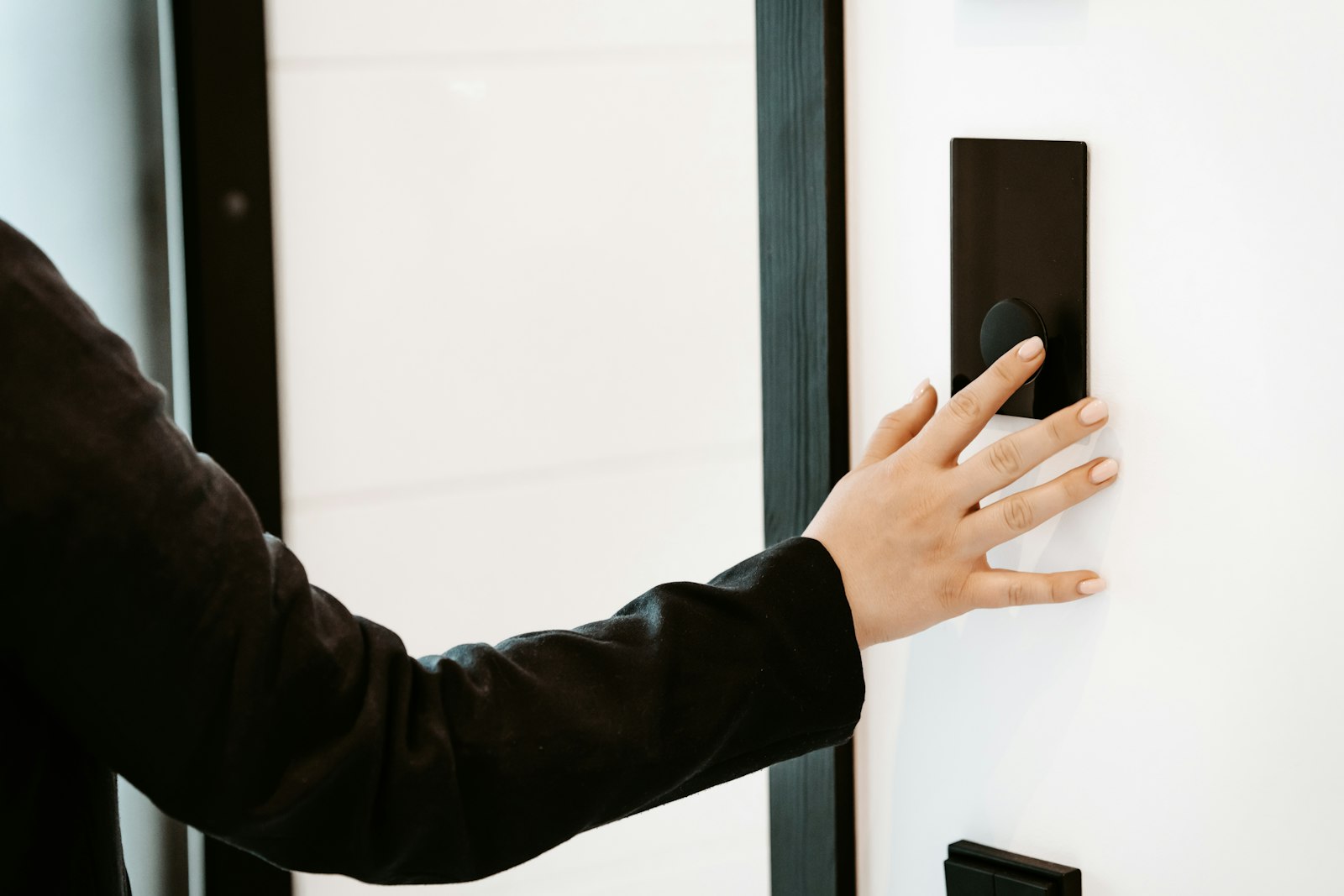 Hand pressing a black keyless entry pad beside a modern door
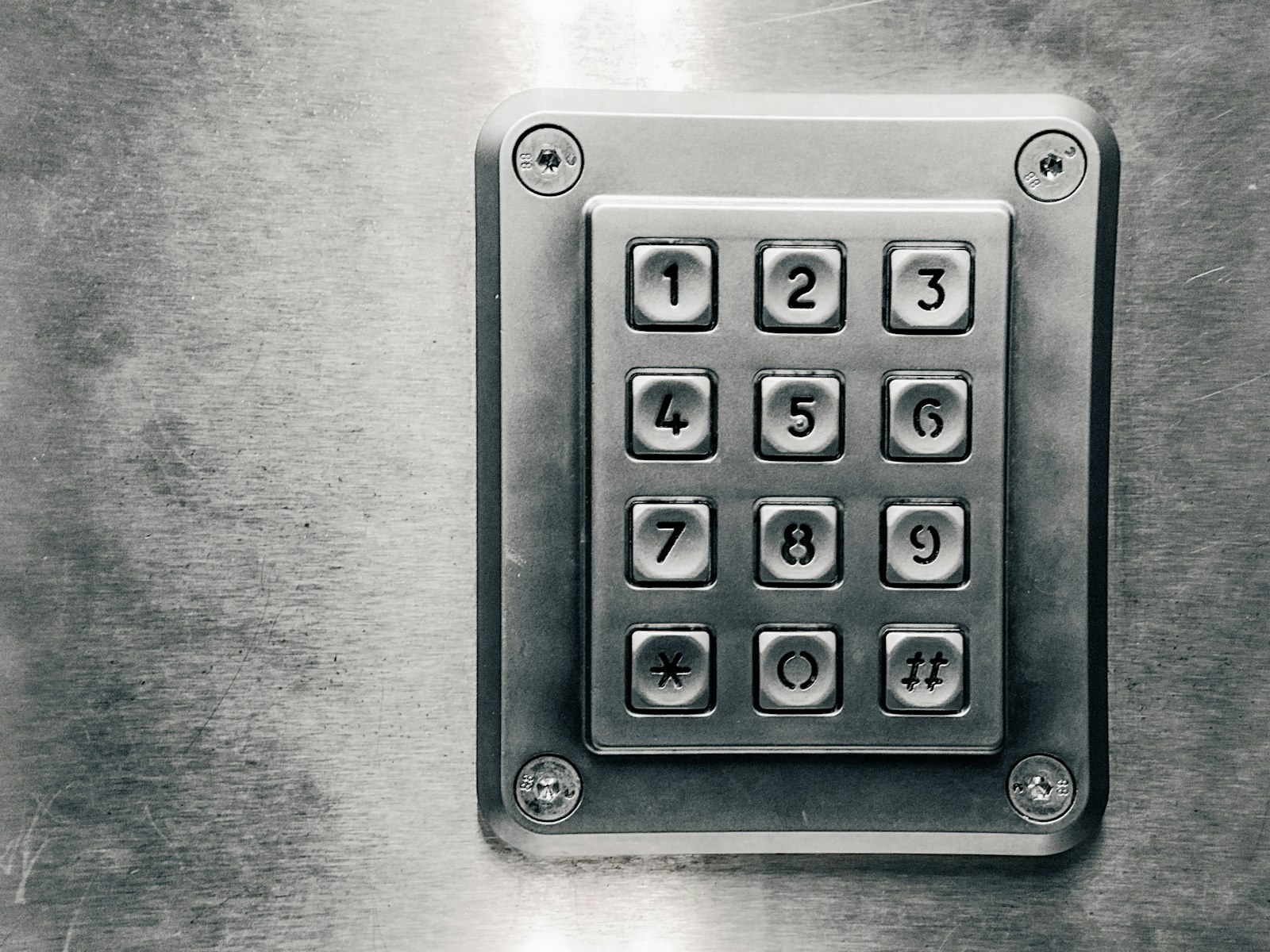 Stainless steel numeric keypad lock panel fixed to brushed metal door
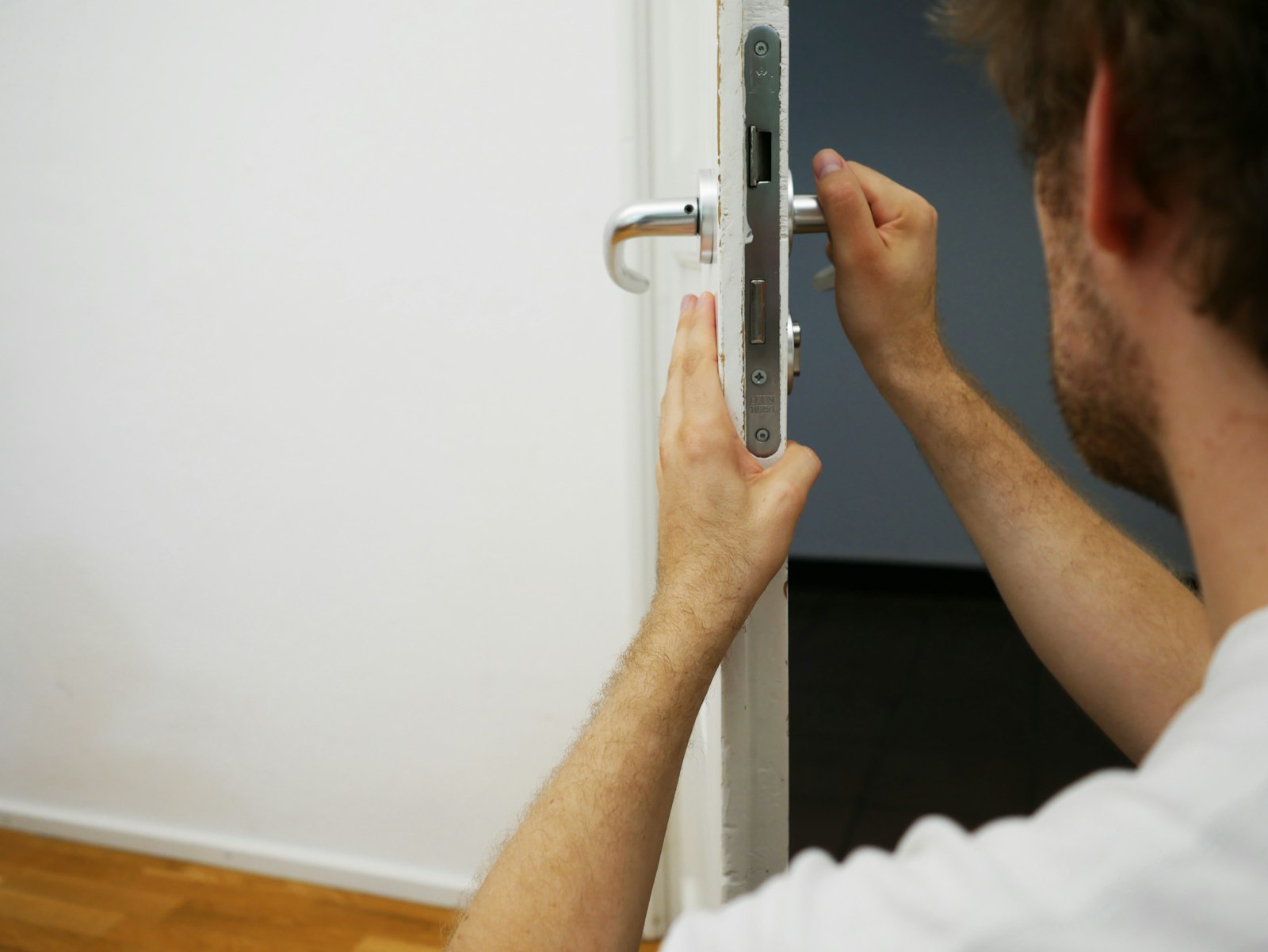 Engineer fitting a mortise lock and lever handle to white door
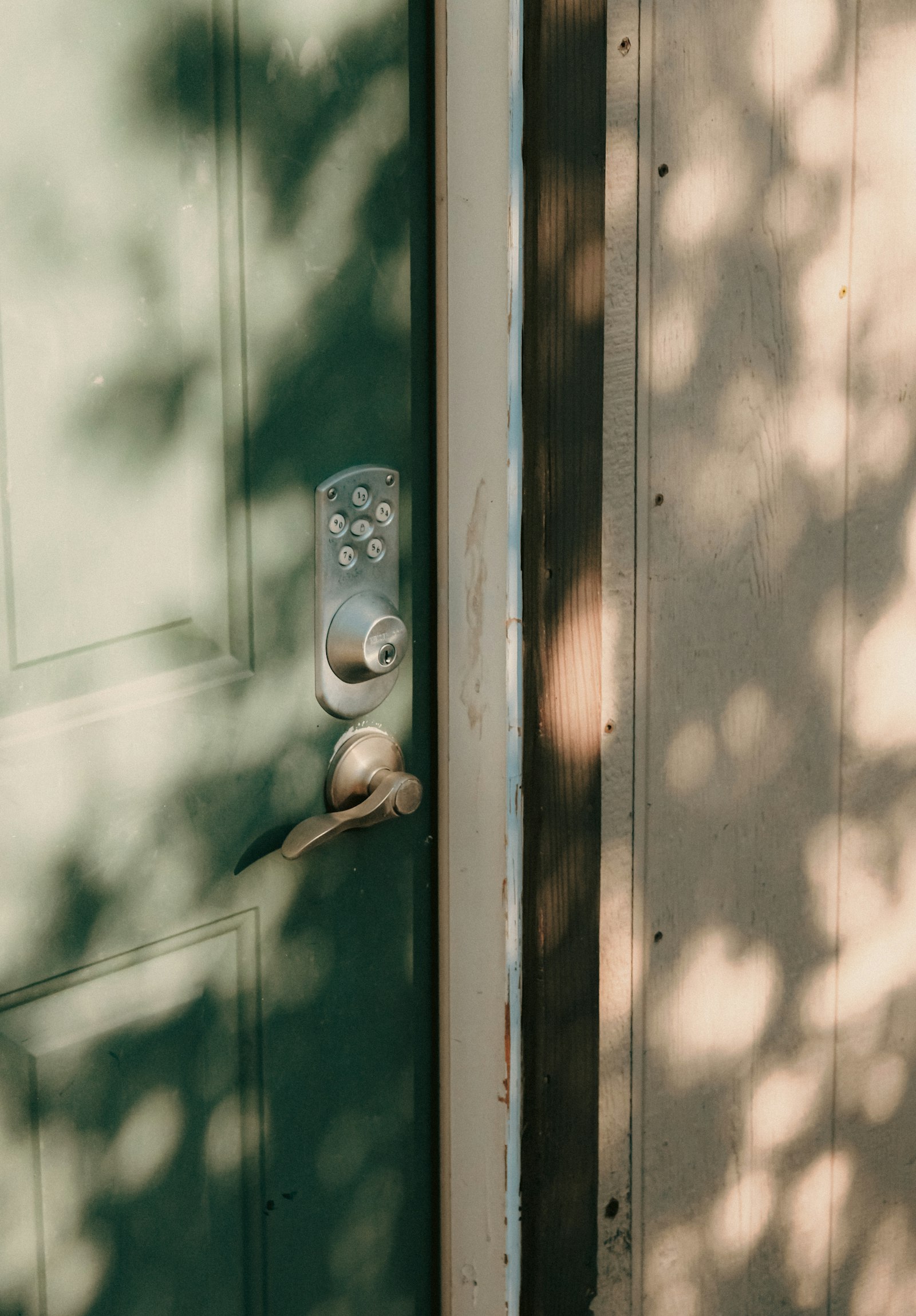 Keyless push-button deadbolt and lever handle on sage green wooden door
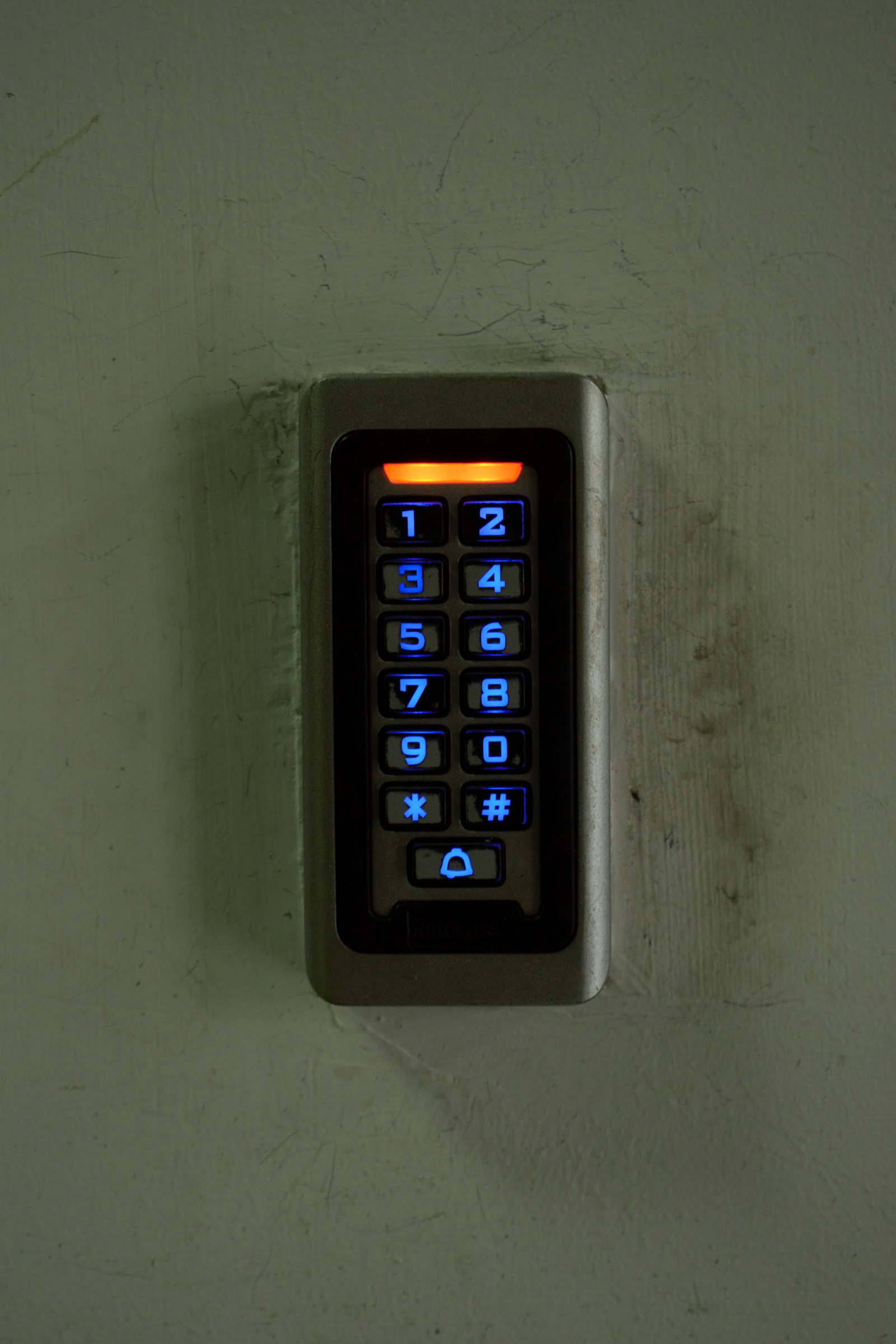 Backlit access control keypad glowing blue beside an entrance at night
Why it pays off
What you gain
Keys become optional
Unlock with a code, fob or phone, and stop worrying about lost or copied keys — access can be changed or revoked in minutes.
Access on your terms
Give cleaners, guests or trades time-limited codes and see when the door was used, instead of leaving a key out and hoping.
Fitted with care
We check the door, frame and existing locks first, and we will tell you plainly where a smart lock should work alongside your existing hardware rather than replace it.
How it works
Three steps, no surprises
Door survey
We assess the door's material, thickness and existing locks, and talk through how your household or business actually uses the entrance, before recommending a specific lock.
Careful fitting
The lock is installed with the door's alignment checked and adjusted so it latches and locks smoothly rather than fighting the frame, and any mechanical key override is kept usable.
Setup and handover
We pair the lock with your phones, set up codes and schedules, and walk everyone through everyday locking, battery care and what to do if a code is forgotten.
Sound familiar?
Asked for every week
Tell us who needs access and what is difficult about the current key arrangement. We will check the door first, then choose the access method that fits the users.
- Keypad smart lock on a family front door so the children do not need to carry keys
- Phone-unlock smart lock on a garden studio used as a home office
- Coded entry for a holiday let, with codes changed between guests
- Fob entry on the staff door of a café
- Smart cylinder replacing a worn euro cylinder while keeping the existing handles
- Individual entry codes on the communal front door of a small shared house
Good to know
Common questions
Are smart locks accepted by insurers?
Quality smart locks carrying the relevant British/European standards are widely accepted — we specify rated hardware and provide the documentation your insurer may ask for.
What if the battery dies?
Locks warn weeks in advance, and every install keeps a fallback — mechanical key, external charging contact or both. Nobody ends up locked out because of a flat cell.
Security Camera & Alarm Systems
More in this service
Start the conversation
Ready to start your project?
Send photos of the door edge, handle and lock, plus the number and type of users. We can then assess compatibility before ordering hardware.