
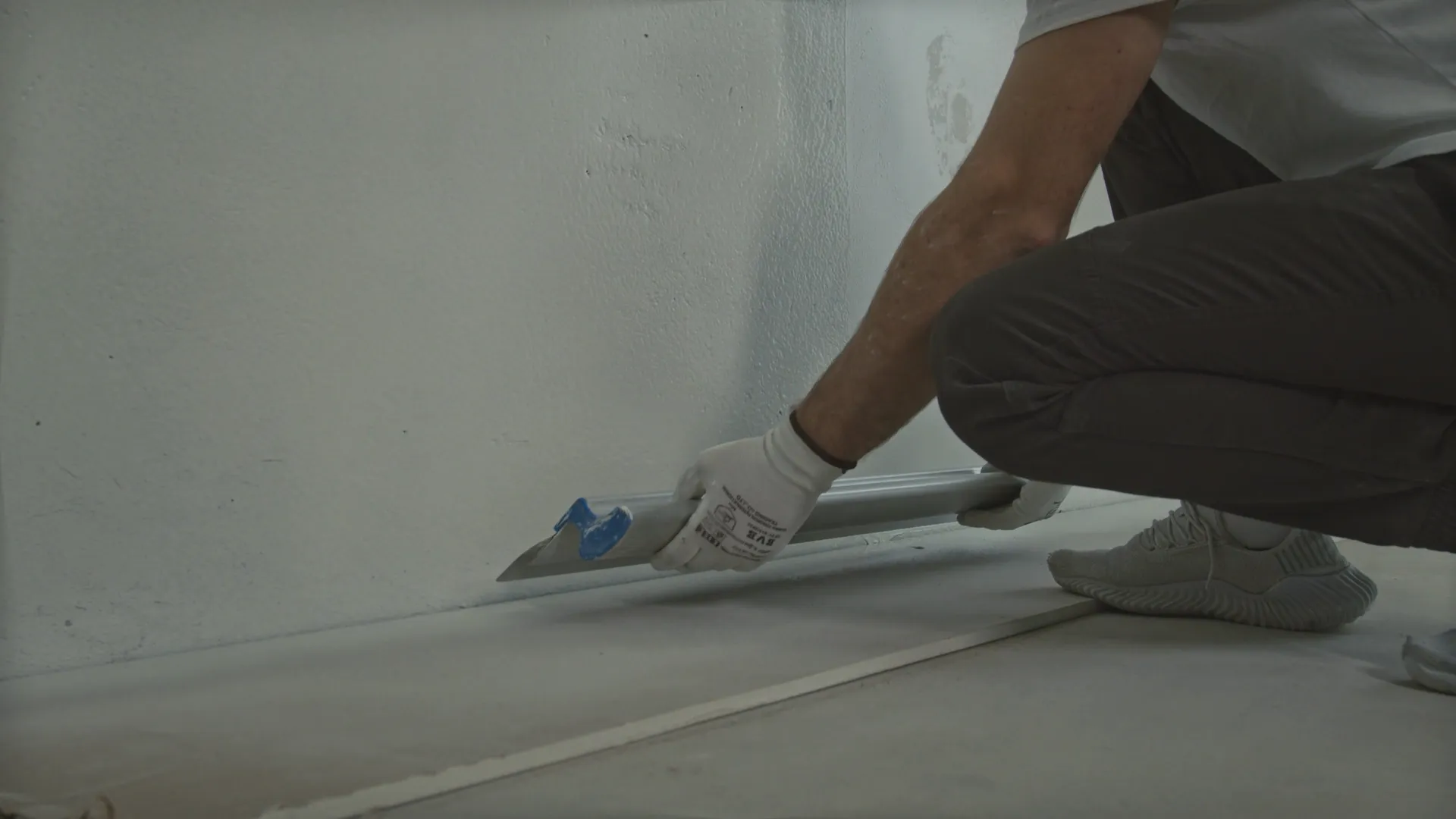
Interiors
Interior Finishes
Specialist decorating, plastering, wall coverings and paintwork to a showroom standard.
The service
What we deliver
The last five per cent of a project determines how the whole thing is judged. Our finishing teams exist for that five per cent: walls flattened and skimmed until they are dead level, paint sprayed or brushed to a furniture finish, wallpaper hung pattern-matched and bubble-free, and specialist surfaces — Venetian plaster, micro-cement, timber panelling — executed by trades who do nothing else.
We finish our own projects and we are also brought in as a specialist team on homes and commercial spaces where only the decoration is being renewed. Either way the standard is the same: crisp lines, flat surfaces, no shortcuts.
What's included
- Full re-plastering and skim finishing
- Interior and exterior painting and decorating
- Venetian plaster, limewash and specialist surfaces
- Wallpaper and wide-format wall coverings
- Panelling, wainscoting and decorative mouldings
- Spray finishing for joinery and cabinetry
From brief to delivery
The visible finish depends on the substrate underneath it
Paint, plaster and wall coverings are only as good as the walls, ceilings and junctions they are applied to. We treat preparation, moisture, movement and lighting as part of the finishing scope.
What we resolve before work starts
Before specifying a finish we assess the existing surface and what the room will demand from it. A high-traffic hallway, wet-prone area and formal reception room should not automatically receive the same preparation or coating system.
- Existing cracks, movement, moisture or damaged substrate
- Required preparation level before decorative finishes
- Paint sheen, colour, wall covering or specialist finish by room use
- Woodwork, metalwork, trims and adjacent material junctions
- Lighting conditions that reveal surface quality and colour differently
What a proper handover should include
Finishing work should be inspected in realistic daylight and artificial light because defects that disappear under site lighting often become obvious once the room is occupied.
- Walls, ceilings and woodwork checked for coverage and surface defects
- Cut lines, corners, trims and junctions snagged in normal lighting
- Colour and product references recorded for future touch-ups
- Specialist-finish care guidance provided where appropriate
- Rooms cleaned and protective coverings removed without damaging the finish
Delivery sequence
How this service moves from idea to finished work
Condition assessment
We identify what can be repaired and what needs more substantial preparation before specifying the decorative system.
Samples & specification
Colour, sheen, texture and specialist finishes are tested against the real light and adjoining materials.
Preparation
Filling, sanding, priming, plaster repair and protection are completed to the level required for the selected finish.
Application & inspection
Decorative systems are applied in the correct sequence, then inspected after drying under the lighting the client will actually use.
Why it is worth planning properly
Better preparation usually gives more value than a more expensive tin of paint
Longer-lasting surfaces
Appropriate preparation and products reduce premature cracking, peeling and patchiness in normal use.
More consistent colour and sheen
Samples and substrate control help avoid unexpected changes in colour or texture across different walls.
Cleaner interfaces
Skirtings, doors, sockets, joinery and feature finishes are coordinated so the room reads as one finished composition.
Key decisions
What shapes the scope
Desired finish level, existing wall condition, colour, sheen, wallpaper or specialist treatment, woodwork condition and occupation during the works all affect the specification. Some decorative effects require sample approval before full application.
Budget & programme
What usually moves cost or timing
Preparation is often the largest variable because it cannot always be judged from photographs. Height, access, extensive repairs, specialist finishes, detailed woodwork and protecting occupied rooms also affect time and cost.
Sound familiar?
Projects we're asked for every week
Tell us whether you are refreshing sound surfaces or trying to correct cracked, damaged or poorly finished rooms. The right preparation strategy matters more than choosing paint before the substrate is understood.
- Whole-house redecoration between seasons or tenancies
- Venetian plaster and limewash feature walls
- Wallpaper and mural hanging, pattern-matched
- Spray-finished cabinetry and woodwork
- Exterior painting with proper preparation
- Plaster repairs in period properties
Recent work
A closer look
Look closely at corners, cut lines, wall flatness and the way light falls across the surface. Those are the areas where preparation quality becomes visible.
 Dark green wall panelling with brass wall light in elegant bedroom
 Plasterer's hands loading smooth finishing plaster onto two steel trowels indoors
 Decorator applying fresh white emulsion to a wall with a roller
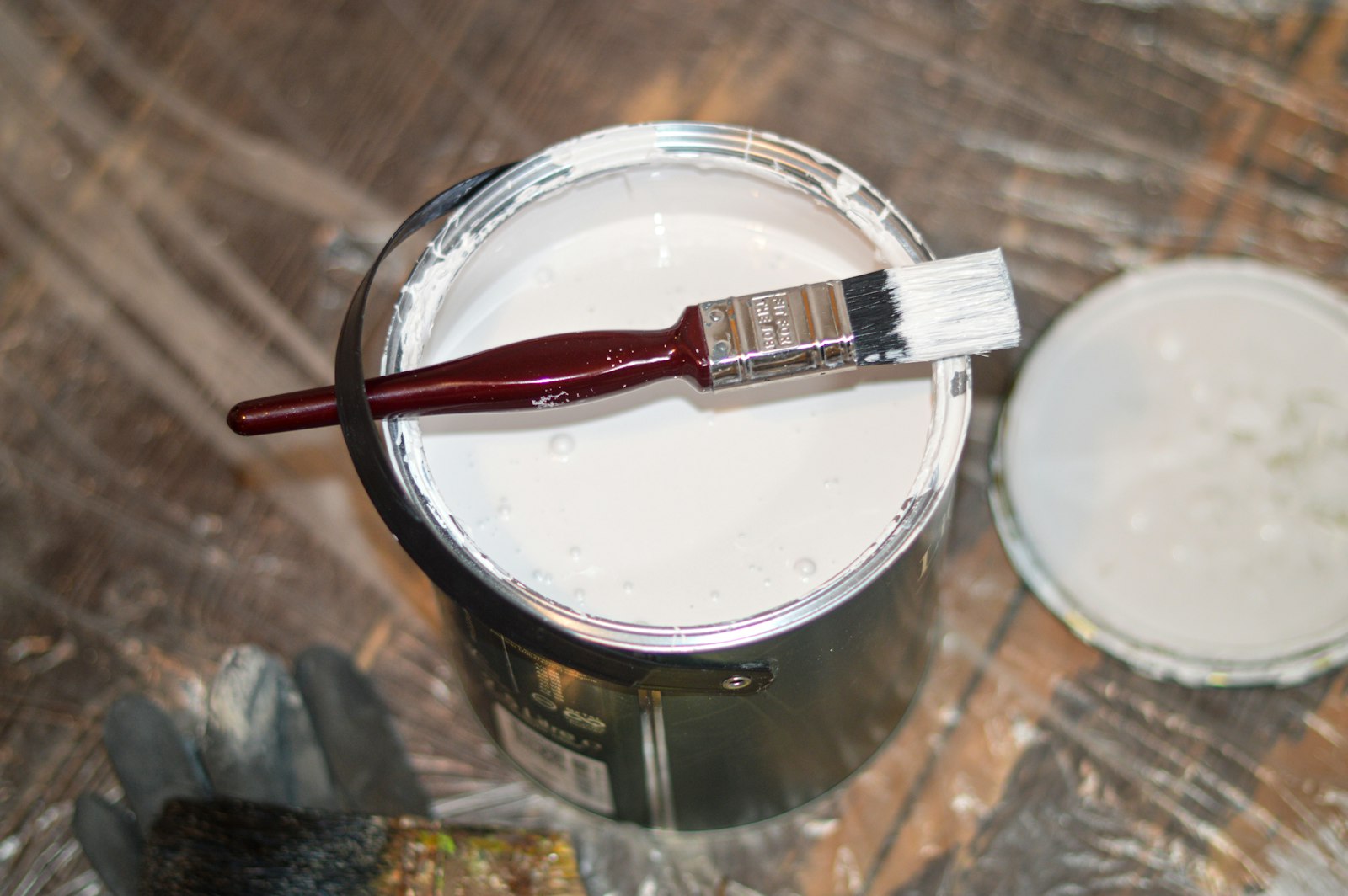 Paint brush resting across an open tin of white paint
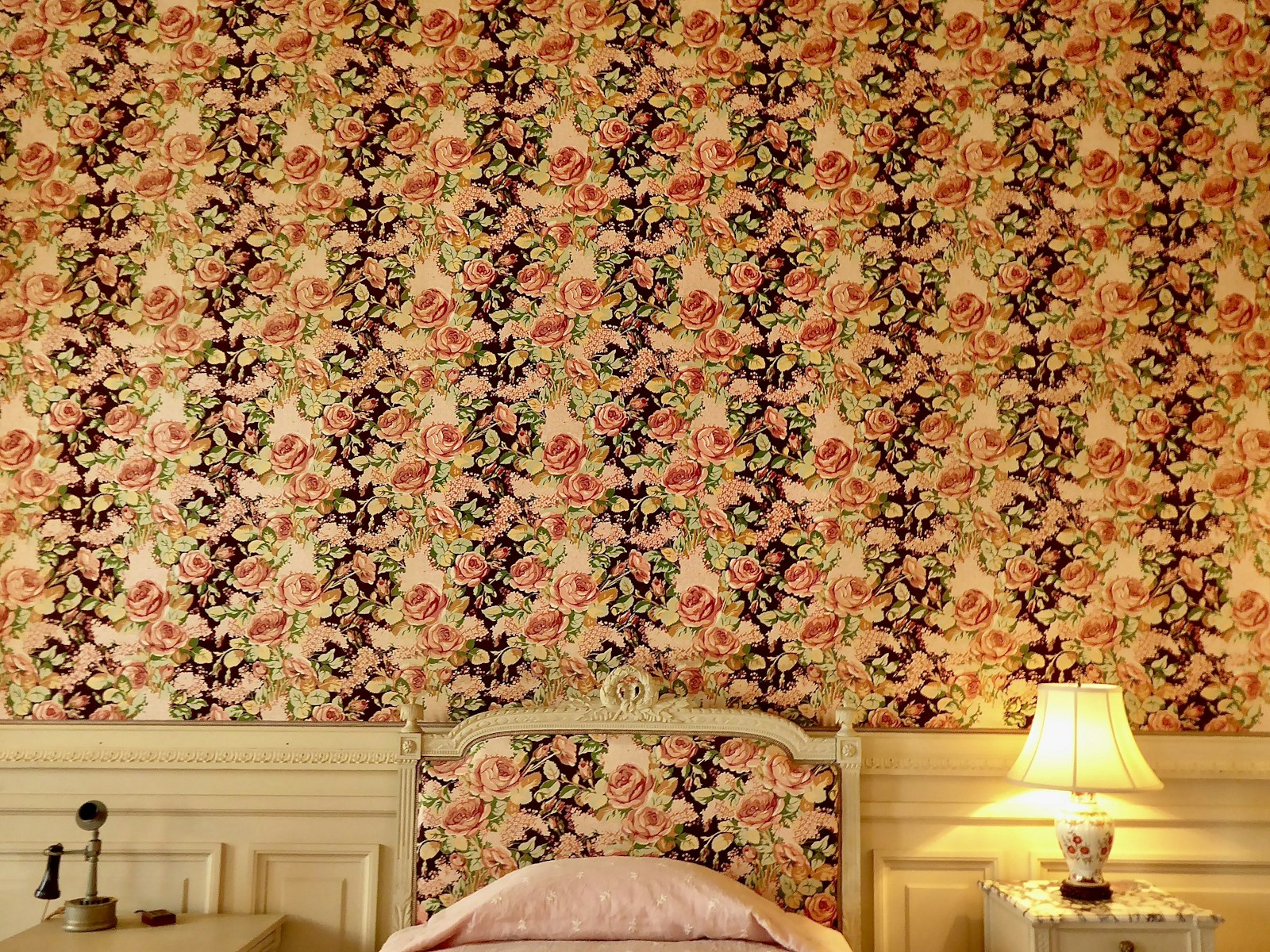 Rose patterned wallpaper above cream panelled dado in period bedroom
 Ornate plaster cornice corner with Greek key and egg-and-dart mouldings
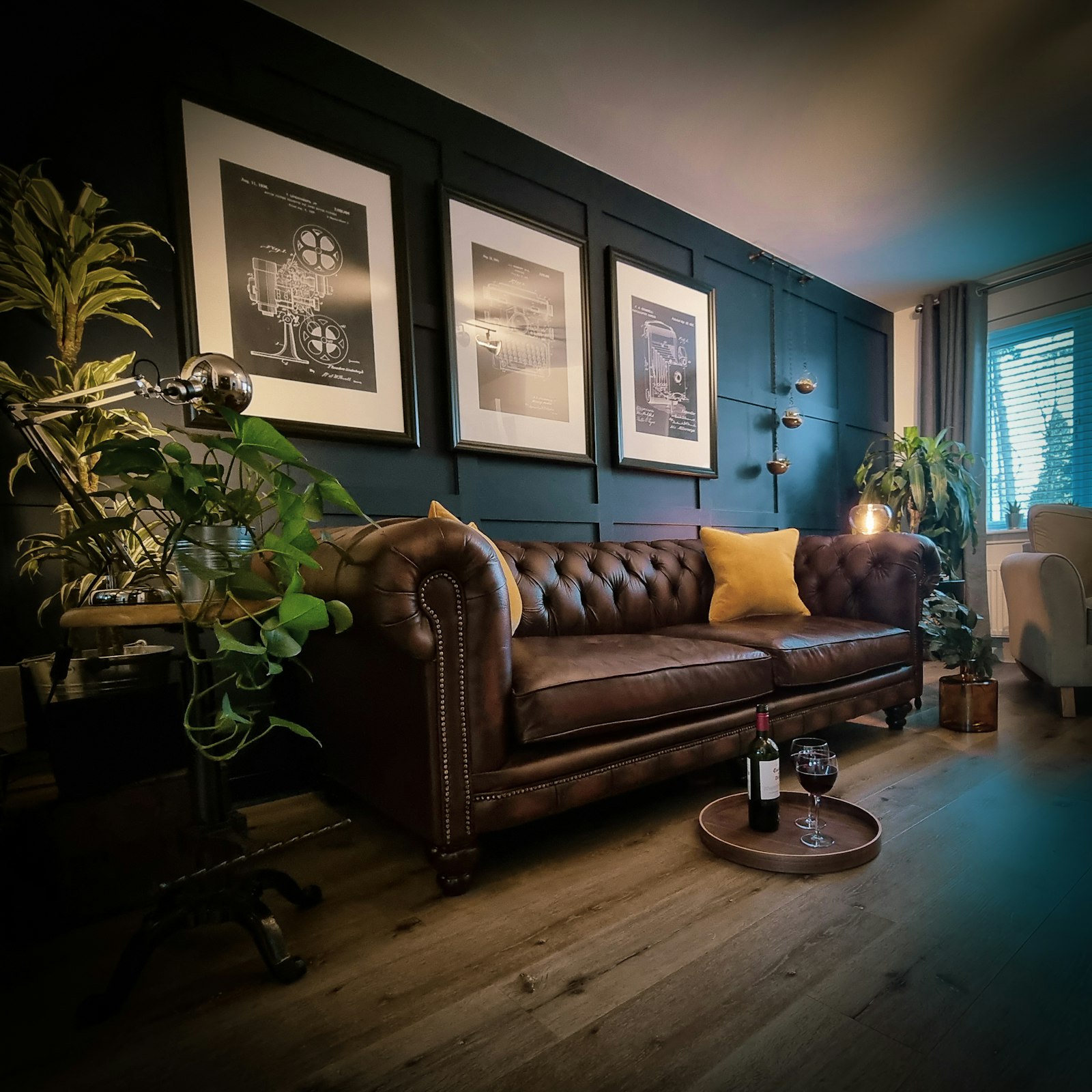 Deep blue panelled feature wall with leather Chesterfield sofa and framed prints
 Fan of paint colour swatch cards arranged in a circle
Good to know
Common questions
Do you only decorate your own projects?
No — our finishing teams take on standalone decorating and plastering commissions across London, for homeowners, designers and commercial clients.
Which paints do you use?
We work with the leading trade and designer ranges and will recommend the right system for each surface — durability where the household is busy, depth of colour where the room deserves it.
Related services
Often paired with
Start the conversation
Ready to start your project?
Send photos of the rooms, the finish you want and whether the property will be occupied during the work. We will identify what needs inspection before a reliable finishing scope is prepared.