
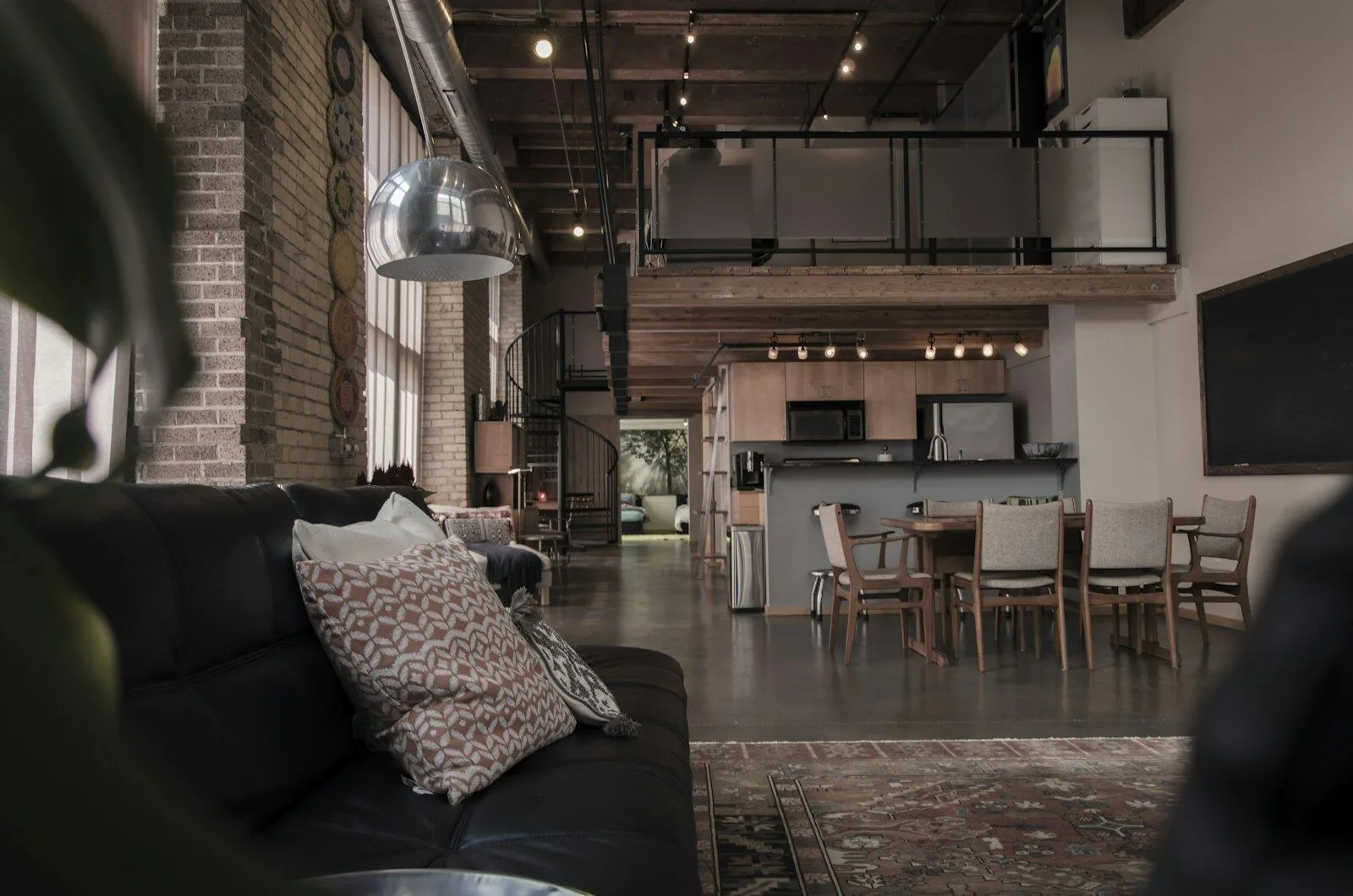
Smart Living · Smart Home
Smart Home Retrofits
Period property? We design wireless-first systems that respect original fabric — no chased walls unless you choose them — and route any essential cabling invisibly as part of decoration work.
The service
What we deliver
Period properties deserve smart living too — without butchering original fabric to get it. Our retrofit approach is wireless-first: battery and radio devices that need no chasing, with any essential cabling routed invisibly through voids, cellars and lofts by people who renovate period homes for a living.
Conservation-area and listed constraints are familiar territory. We'll tell you honestly what can be done invisibly, what needs a light touch, and what's better left alone.
What's included
- Wireless-first system design for period homes
- Smart heating without new pipework
- Retrofit smart switches in period finishes
- Discreet cabling through existing voids only
- Brass, bronze and toggle-style controls that suit the house
- Reversible installations where originality matters
From brief to delivery
A smart-home retrofit should add useful control without turning a finished property into a construction site
We prioritise wireless or minimally invasive solutions where they are dependable, and reserve new cabling for functions where reliability or power requirements justify opening the fabric.
What we resolve before work starts
The existing property sets the rules: wall construction, available neutral wires, switch-box depth, Wi-Fi coverage and access to roof or floor voids determine which retrofit methods are practical.
- Existing switch wiring, back boxes and available power
- Wi-Fi and network condition before adding more devices
- Battery, wireless and wired options for each function
- Original fabric, decoration and areas where chasing is unacceptable
- Future renovation plans that may create better wiring opportunities later
What a proper handover should include
Retrofit systems should remain understandable if one device is replaced or a battery expires.
- Devices grouped and named by room
- Battery or charging maintenance identified clearly
- Any retained original controls and fallbacks demonstrated
- Network dependencies documented
- Future upgrade opportunities noted without requiring immediate work
Delivery sequence
How this service moves from idea to finished work
Existing-condition survey
We check wiring, controls, network quality and physical access before selecting retrofit products.
Minimal-disruption design
Functions are divided between wireless, battery and new-cable solutions according to reliability and visual impact.
Installation
Devices and any limited infrastructure are installed with protection of existing finishes as a priority.
Tuning & training
Scenes, schedules and household controls are simplified and tested under normal use.
Why it is worth planning properly
Retrofit automation can improve convenience without sacrificing character
Lower physical disruption
Wireless-first design can avoid unnecessary chasing in decorated or period rooms.
Phased investment
The system can start with high-value rooms or functions and expand later rather than forcing a whole-house installation at once.
Better use of existing devices
Where compatible and reliable, existing lights, heating or audio hardware can sometimes be integrated instead of replaced.
Key decisions
What shapes the scope
Which finishes must remain untouched, where batteries are acceptable, which functions need hard-wired reliability, whether existing devices are compatible and how much future expansion is expected are the key choices.
Budget & programme
What usually moves cost or timing
Difficult access, non-standard wiring, number of retrofit modules, battery-operated treatments, network upgrades and repairing decoration after necessary cable routes all affect cost. A short survey can prevent buying equipment that does not suit the existing wiring.
In pictures
The work up close
 View larger photo
 View larger photo
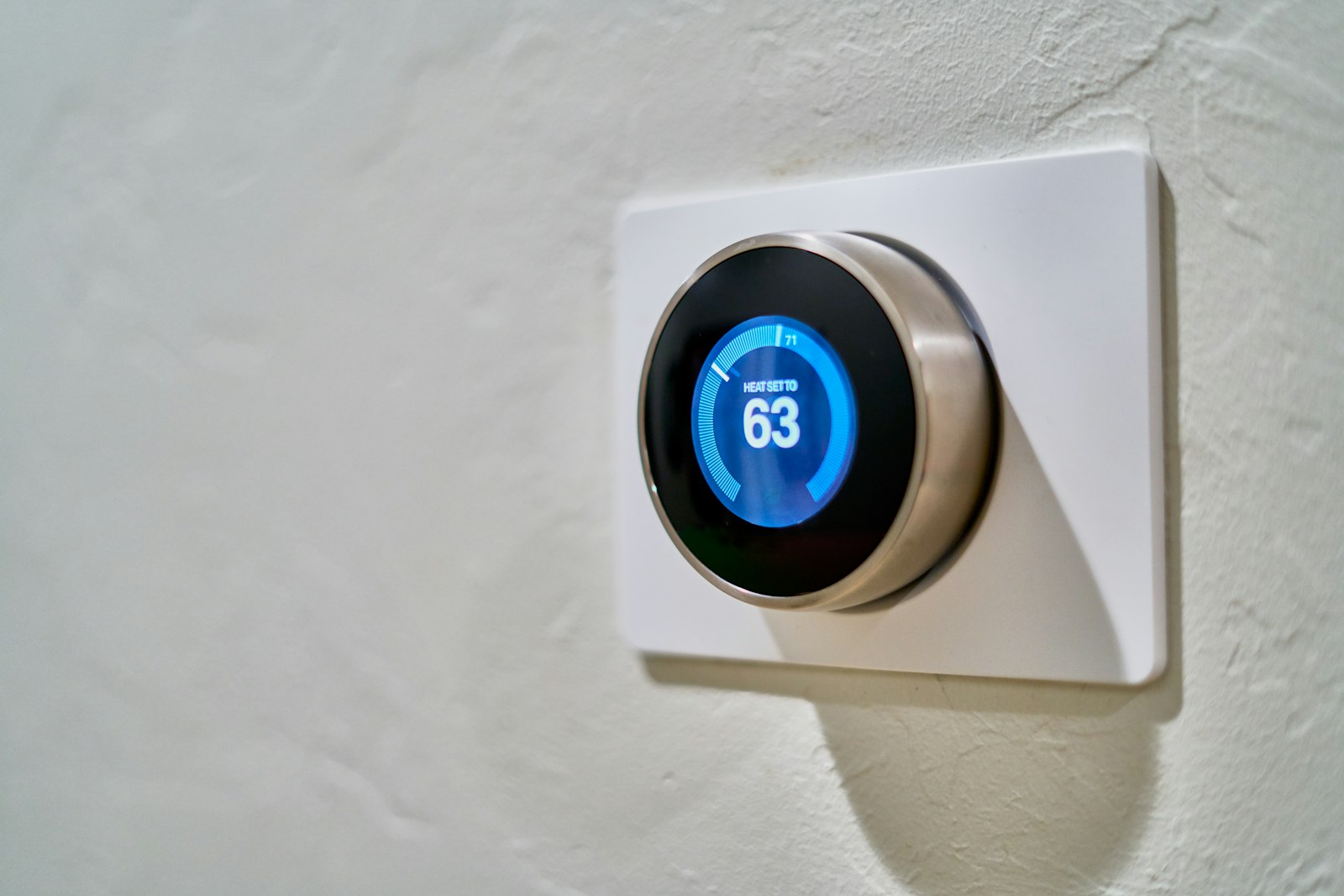 Nest learning thermostat dial on textured plaster wall displaying heat setting
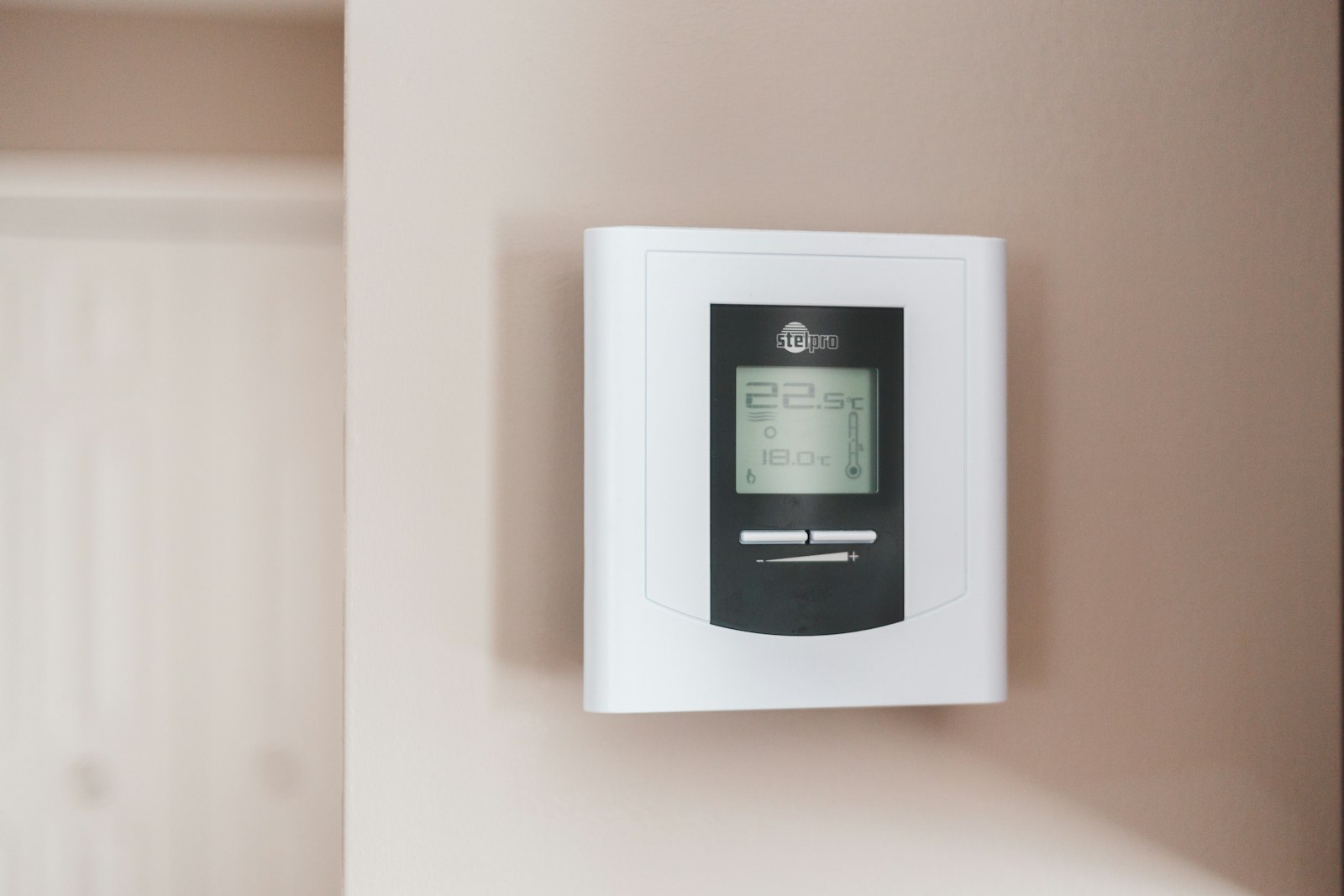 Digital wall thermostat showing 22.5 degrees Celsius in neutral painted hallway
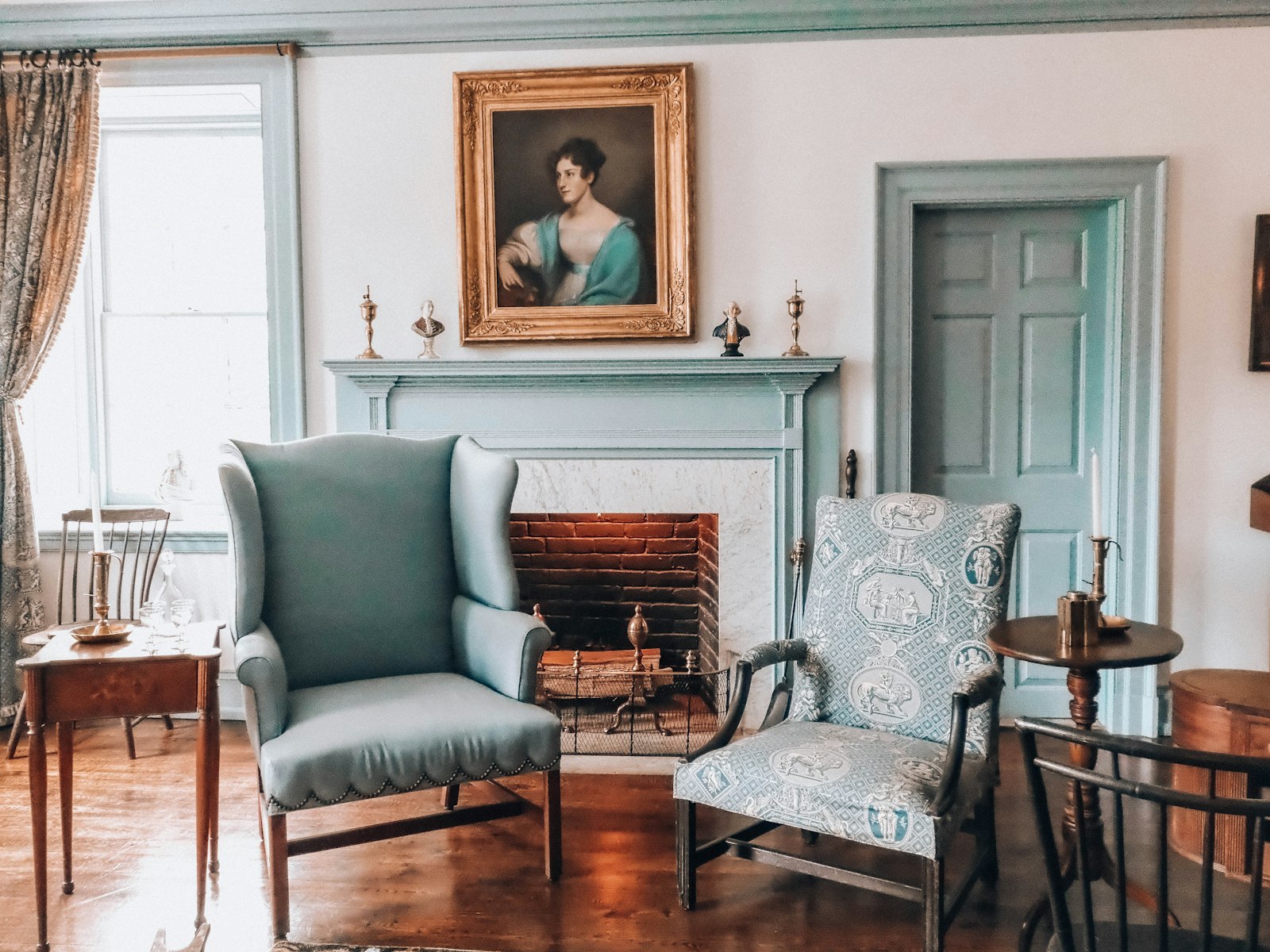 Period drawing room with painted fireplace surround, antique armchairs and portrait
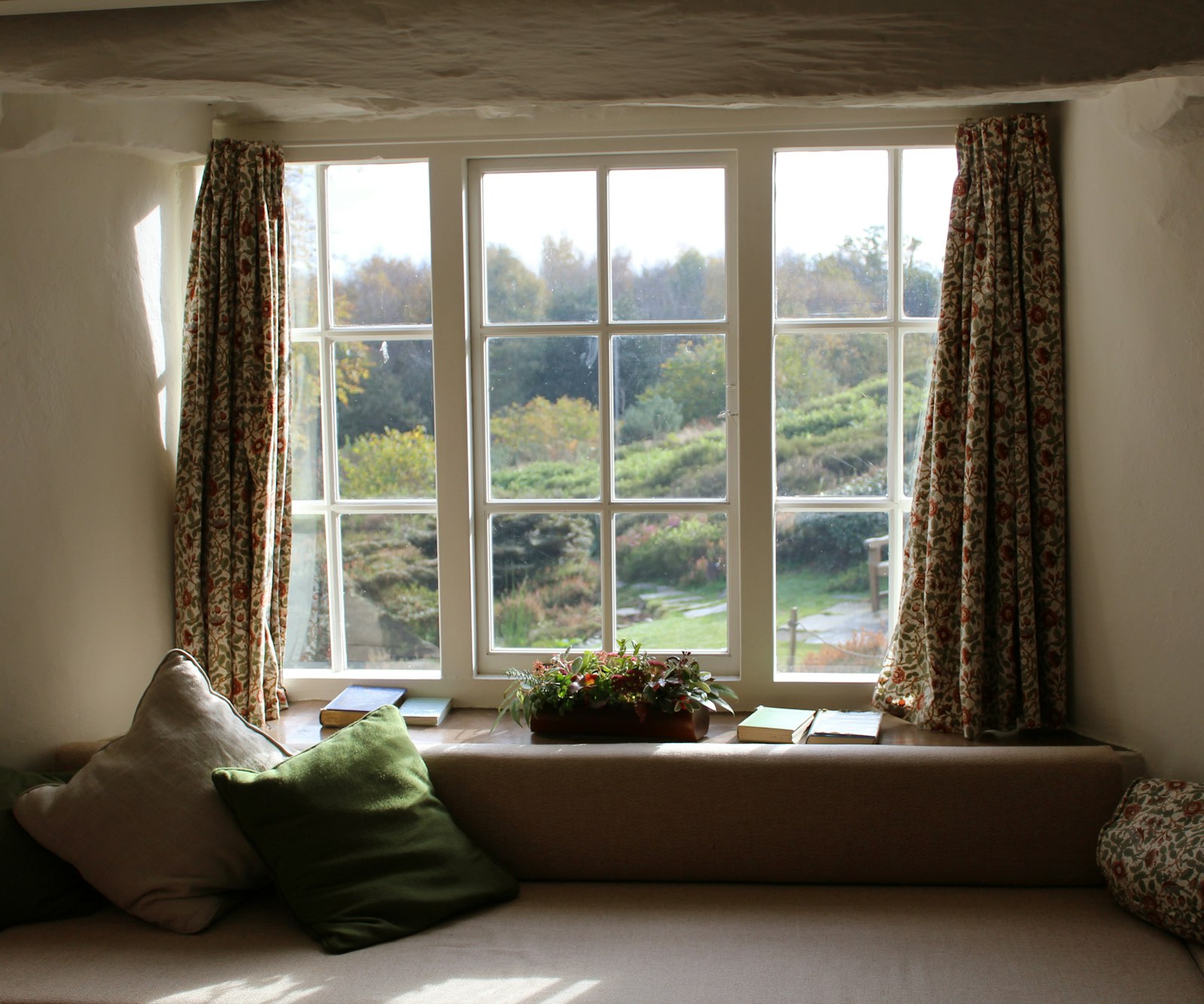 Cottage window seat with multi-pane windows overlooking mature country garden
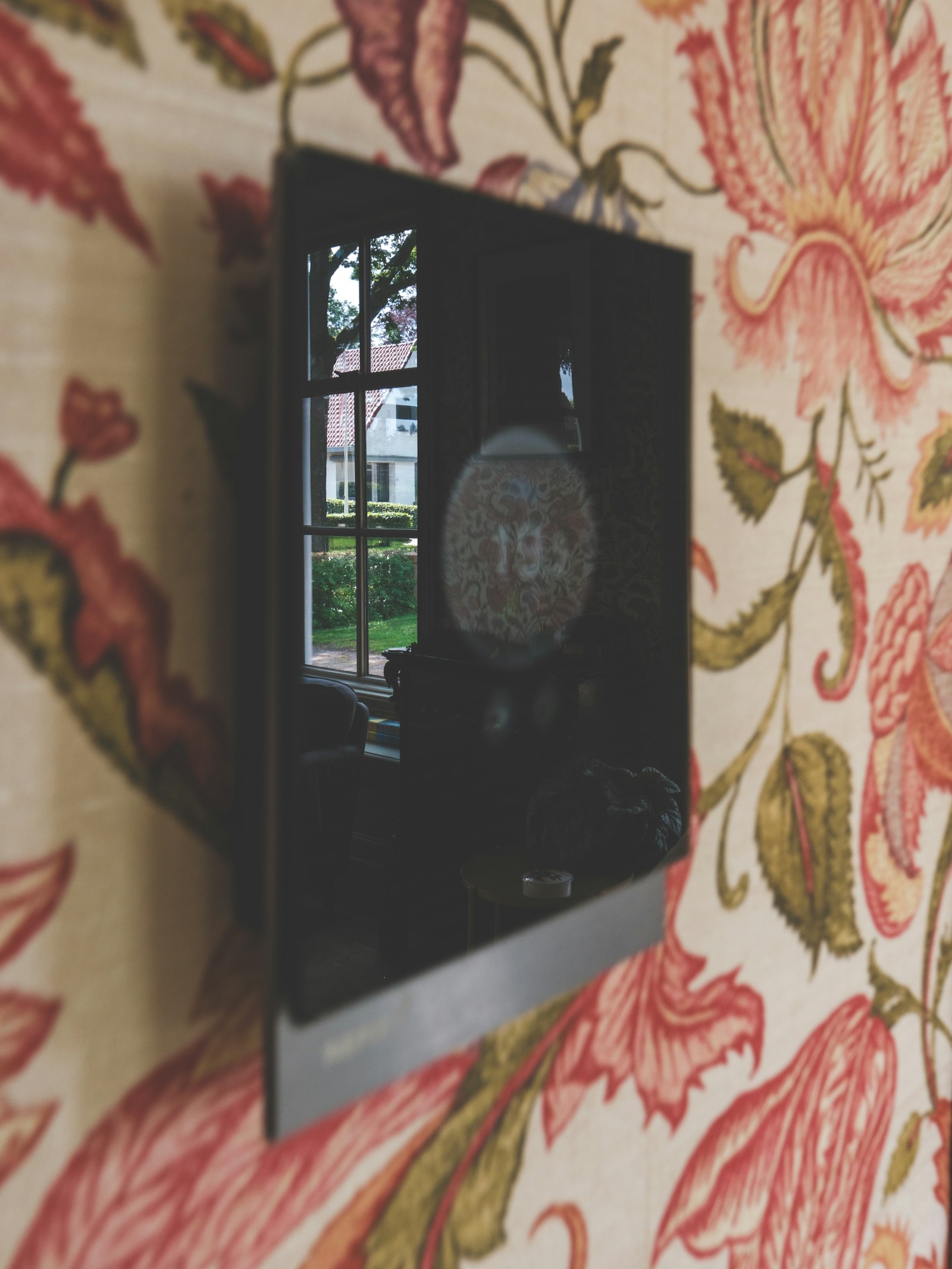 Slim black smart panel mounted on traditional floral wallpaper in a period room
 Ornate cast iron radiator beneath window in period property interior
Why it pays off
What you gain
Period charm, modern comfort
Wireless systems and careful first-fix work bring full smart control to older houses without chasing every wall or losing original features.
Minimal mess, tidy finish
We plan retrofits around your life, lift and reinstate floors properly and make good as we go, so disruption stays short and the finish stays clean.
A home that works harder
A well-installed, fully documented smart system makes an older home easier to run day to day and simpler to hand over when you sell.
How it works
Three steps, no surprises
Home assessment
We survey the existing wiring, walls and period features, then map out what can go wireless and where cabling can run without damage.
Phased installation
Work is sequenced room by room, or alongside a wider renovation, so the house stays liveable and original fabric is protected throughout.
Configuration and aftercare
We set up the system, tune it to how you live and remain on hand afterwards to adjust, extend or add rooms as your needs change.
Sound familiar?
Asked for every week
Tell us what you want the finished home to do and what fabric you do not want disturbed. We will work backwards to the least invasive reliable solution.
- Smart heating and hot-water controls added to an Edwardian semi
- Full smart lighting retrofit in a Victorian terrace without re-plastering
- Wireless smart switches replacing existing switches throughout
- Whole-house retrofit phased alongside a kitchen renovation
- Upgrading a 1930s semi with smart lighting, heating and security
- Replacing an ageing wired control system with a modern app-based one
Good to know
Common questions
We're in a conservation area — is smart tech allowed?
Interior smart technology is rarely restricted; constraints usually apply to external changes. We specify discreet internal devices and, where anything external is involved, advise on what needs consent before it goes up.
Can smart switches match Victorian fittings?
Yes — several ranges offer smart modules behind traditional brass, bronze and toggle plates, so the wall keeps its character while the circuit gains scenes and scheduling.
Smart Home
More in this service
Start the conversation
Ready to start your project?
Send the property age, photos of existing controls and the functions you want to automate. We can then identify what needs checking on site before products are selected.