
Security · Security Camera & Alarm Systems
Residential CCTV Systems
Discreet cameras covering the approaches that actually matter — the drive, the doors, the side return — with crisp night vision, recording locally or to the cloud, and alerts that reach your phone in seconds.
The service
What we deliver
Good home CCTV is about coverage, not camera count: the drive, the front door, the side return and the garden approach, each framed deliberately at the height an identification actually needs, with crisp night vision and alerts that reach your phone in seconds.
We install discreet, weather-sealed cameras with cabling routed invisibly, set up recording locally or to the cloud to suit you, and configure the app on every family phone before we leave.
What's included
- Site survey and camera plan before any drilling
- Discreet cameras with sharp night vision
- Concealed cabling and tidy, sealed mounting
- Local or cloud recording configured
- Phone alerts tuned to avoid false alarms
- Full demonstration and app setup at handover
From brief to delivery
Home CCTV should cover meaningful approaches while avoiding unnecessary intrusion
We plan views around doors, driveways, side passages and vulnerable approaches, then tune recording and alerts so the system is useful at night, when away and when reviewing an event later.
What we resolve before work starts
Camera position is a trade-off between identification, overview, privacy and physical access. We also check night lighting, network reach, recording capacity and whether the homeowner wants local storage, cloud services or both where supported.
- Priority approaches and realistic camera fields of view
- Night conditions, glare, backlighting and existing external lighting
- Recording location, storage capacity and retention preference
- Motion/person detection zones and notification sensitivity
- Neighbouring or public areas that should be minimised where practical
What a proper handover should include
The household should be able to find an event quickly and understand which alerts deserve attention.
- Camera names matched to real locations
- Live view, playback and event search demonstrated
- Notification zones and sensitivity reviewed with the homeowner
- Admin account and recovery settings placed under client control
- Recording/storage limitations and any subscription terms explained
Delivery sequence
How this service moves from idea to finished work
Walk the approaches
We review entrances and likely routes rather than simply placing cameras at equal intervals.
Choose views & recording
Lens/view, height, network route and recording method are selected for each location.
Install & align
Cameras are mounted, cables protected or concealed where practical and views adjusted in the live scene.
Night test & app setup
Recording and alerts are checked after dark as well as during the day, then the homeowner is shown how to review footage.
Why it is worth planning properly
Useful CCTV is about confidence in the view you will have when something happens
Better event context
Overlapping or complementary views can show approach and departure instead of leaving one isolated image.
Fewer nuisance notifications
Detection zones can exclude moving trees, busy roads or irrelevant parts of the image where supported by the chosen system.
Remote awareness
App access can let the homeowner check the property while away, subject to network and service availability.
Key decisions
What shapes the scope
Wired versus wireless, local versus cloud storage, camera visibility, audio recording, alert frequency, night image priorities and whether external views include neighbouring/public areas all need deliberate choices.
Budget & programme
What usually moves cost or timing
Cable access, camera quantity, recorder/storage size, difficult heights, network upgrades and cloud subscriptions drive cost. Battery cameras may reduce cabling but create charging and performance trade-offs compared with permanently powered systems.
In pictures
The work up close
 View larger photo
 View larger photo
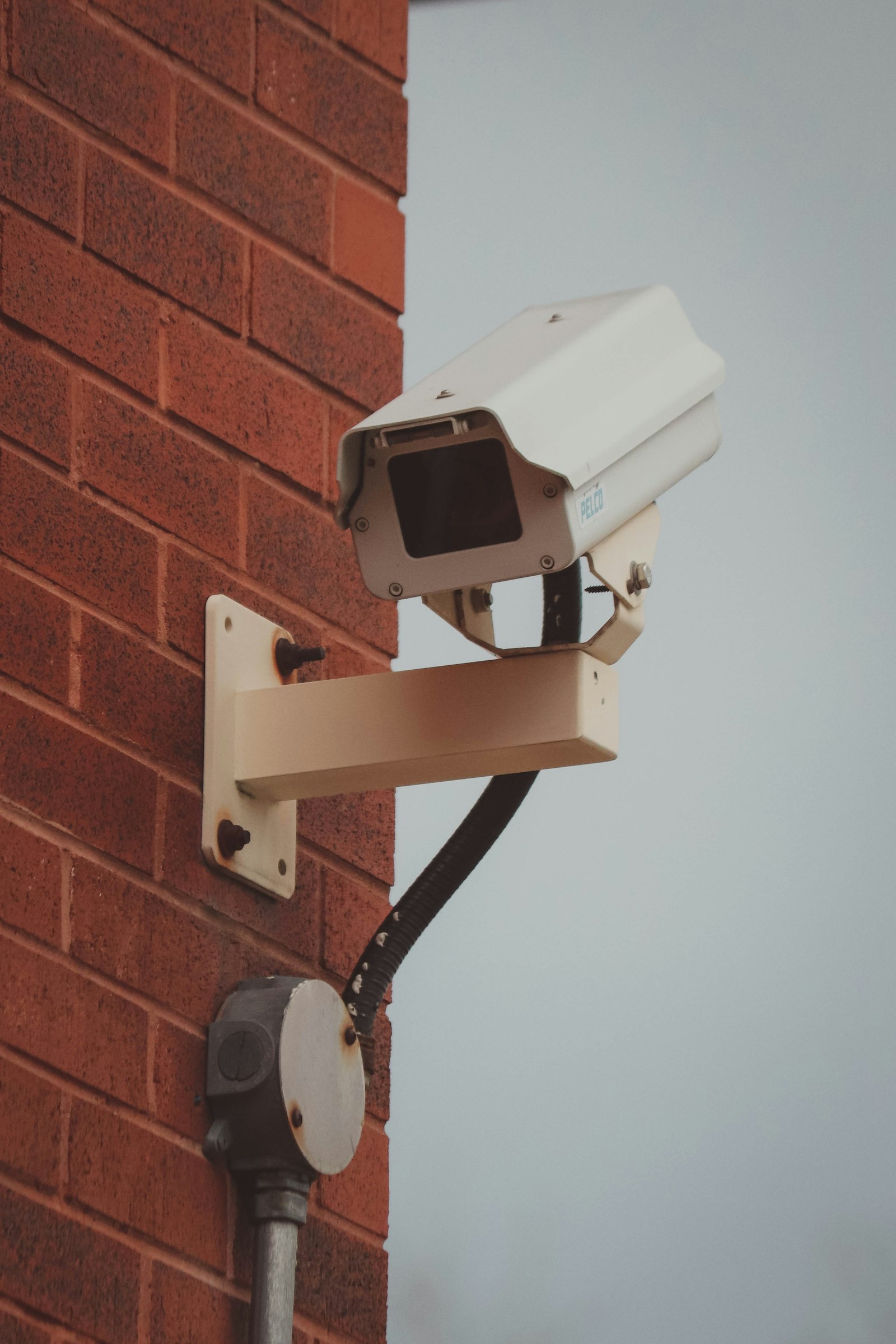 White boxed CCTV camera mounted on a red brick house corner bracket
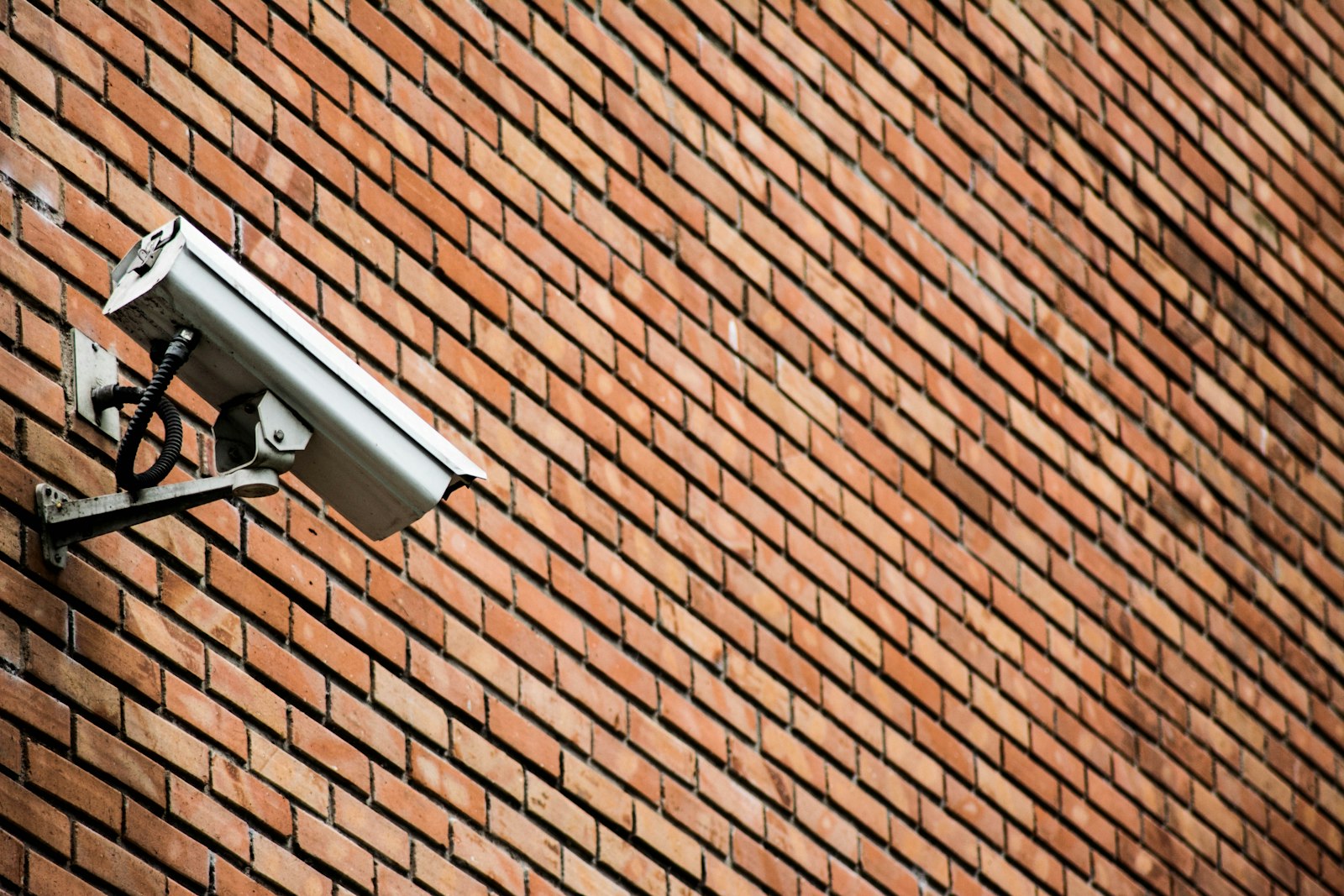 White bullet security camera angled across a warm brown brick wall
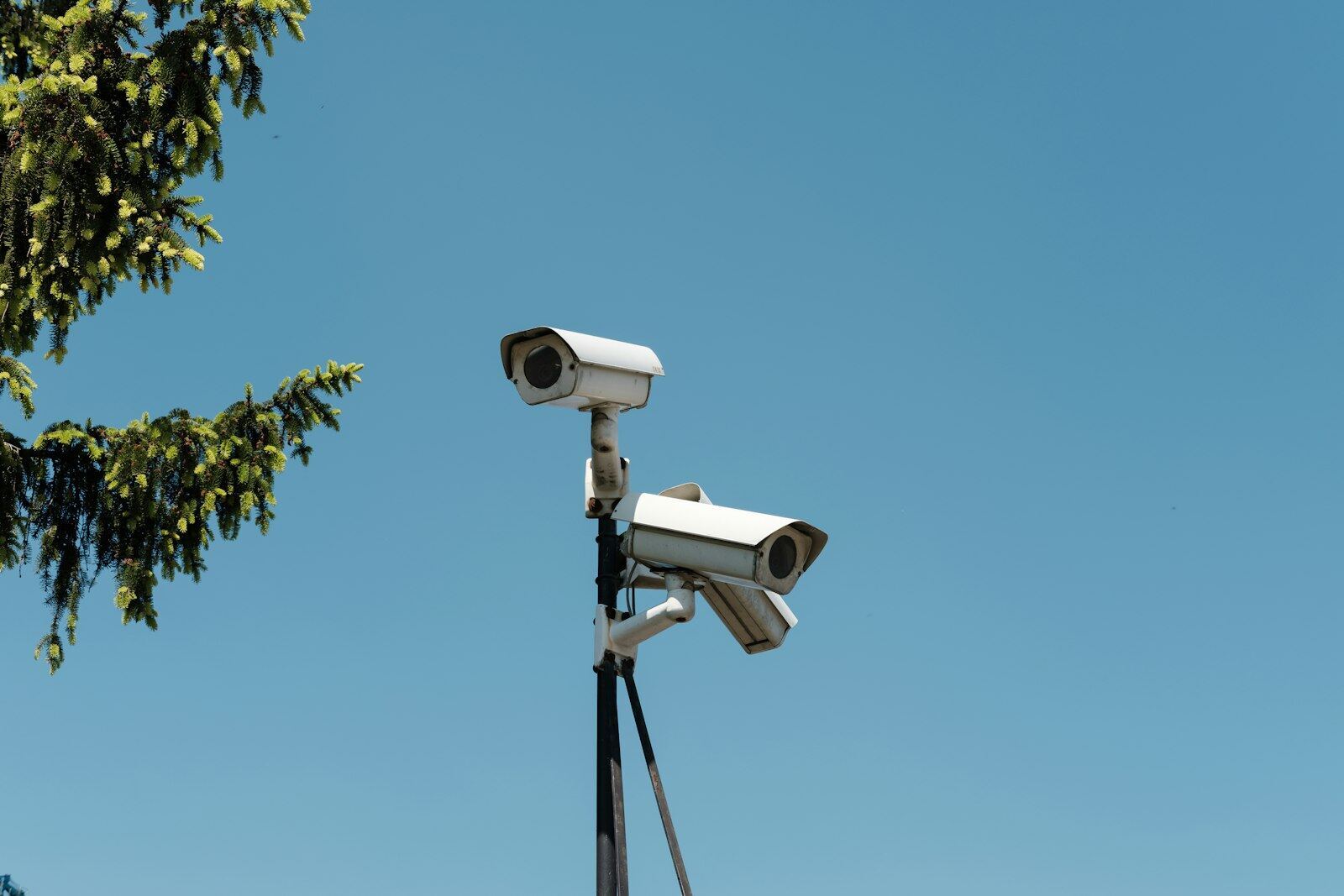
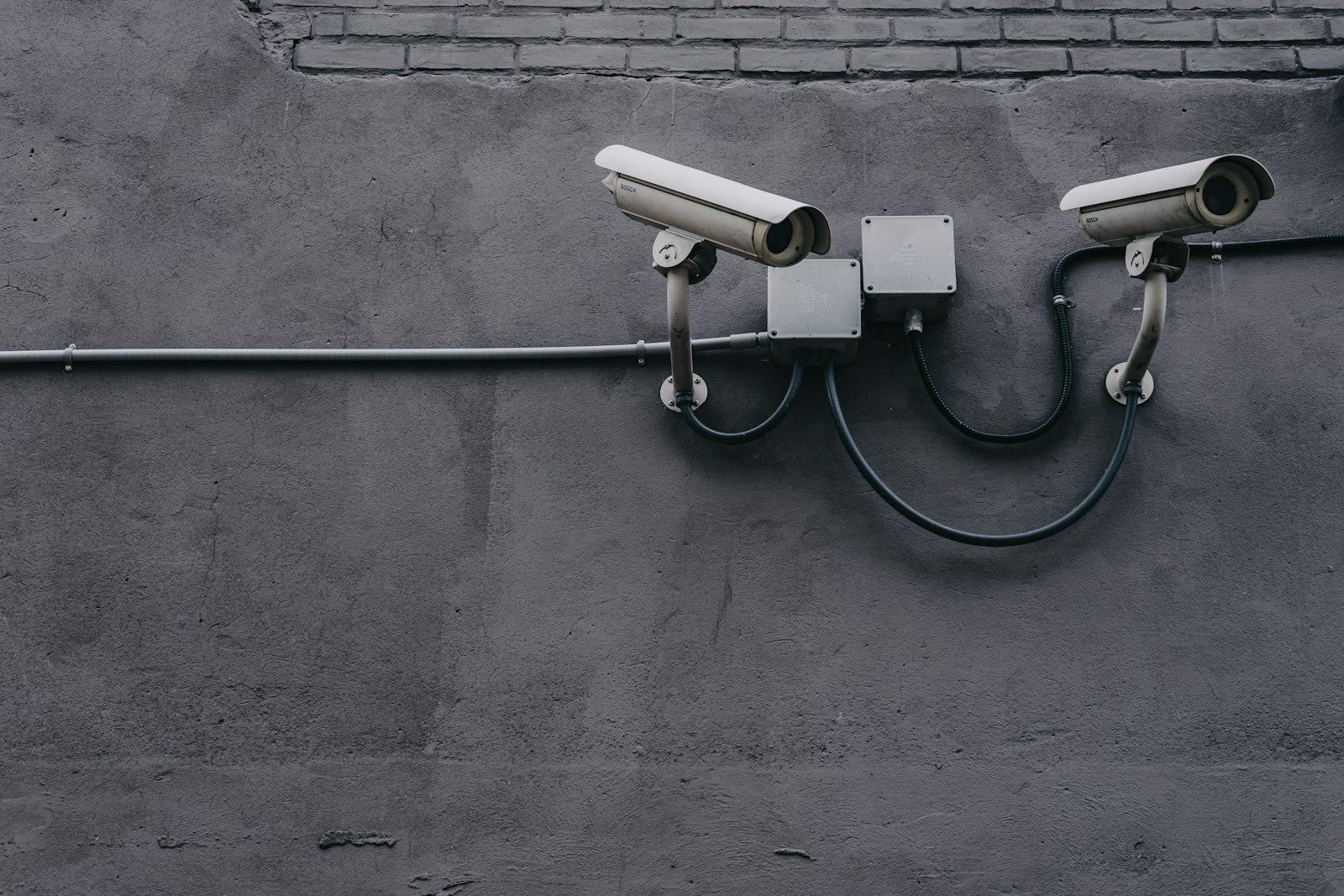 Two white bullet CCTV cameras wired neatly on grey rendered wall
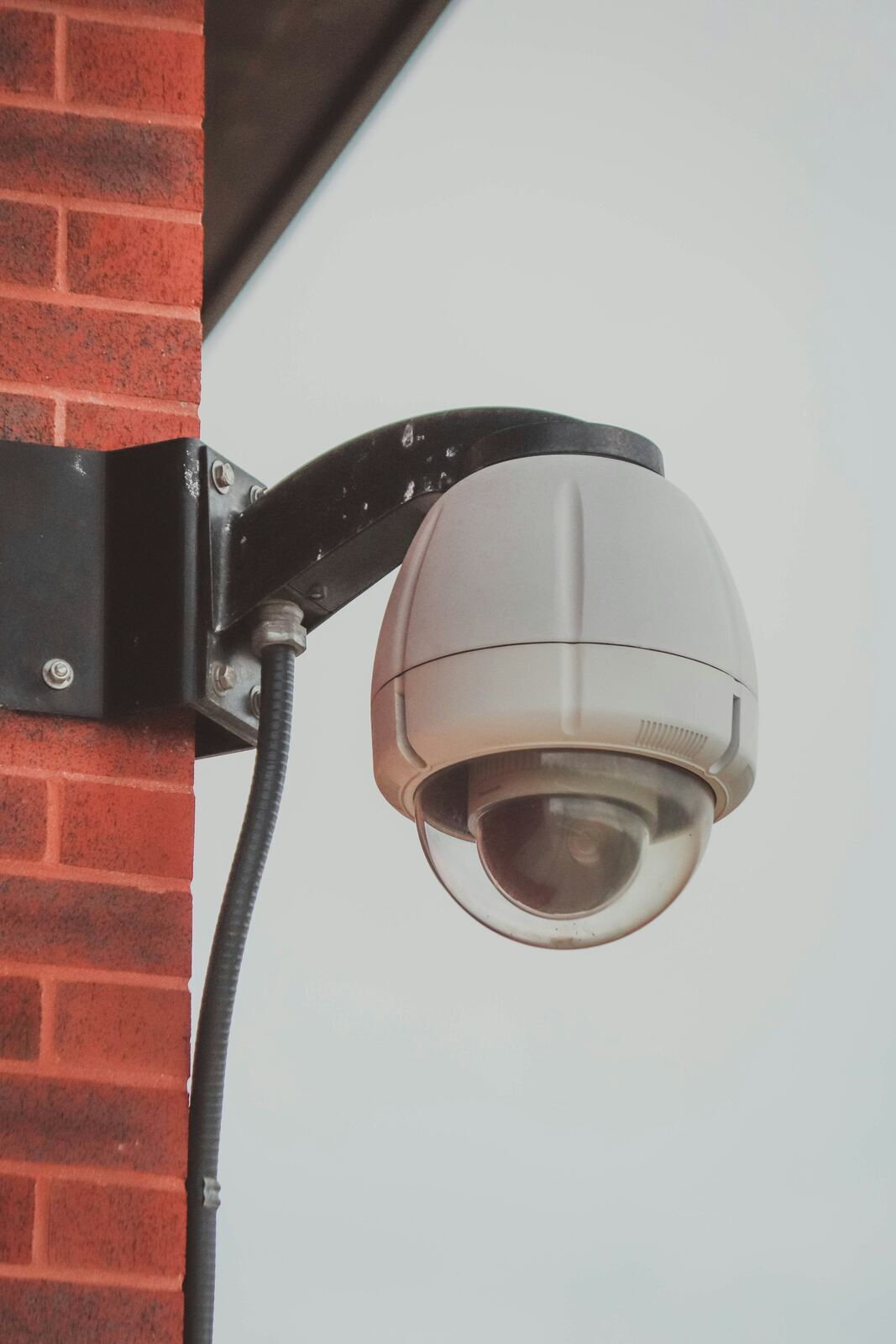
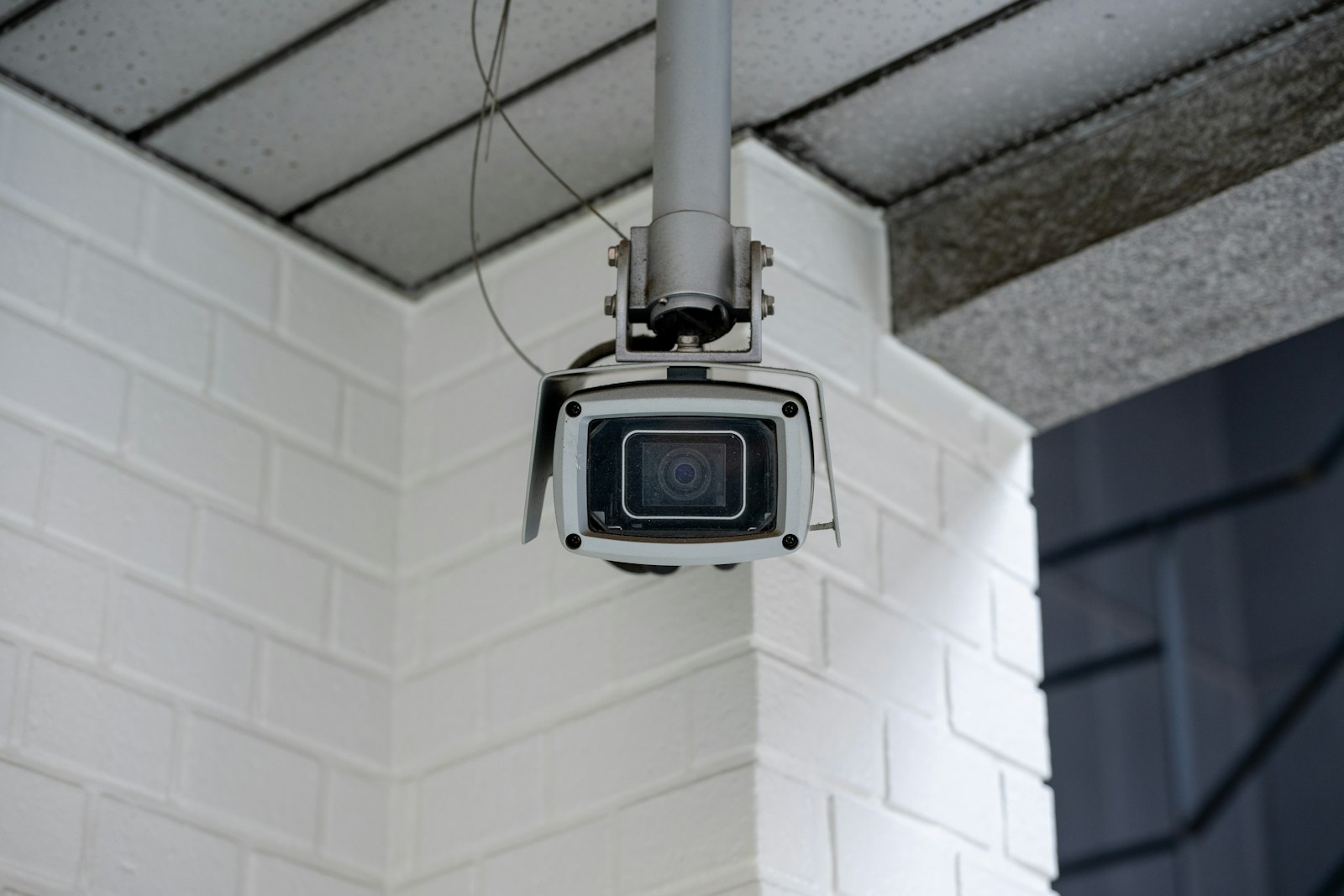 Compact white CCTV camera suspended before a white painted brick corner
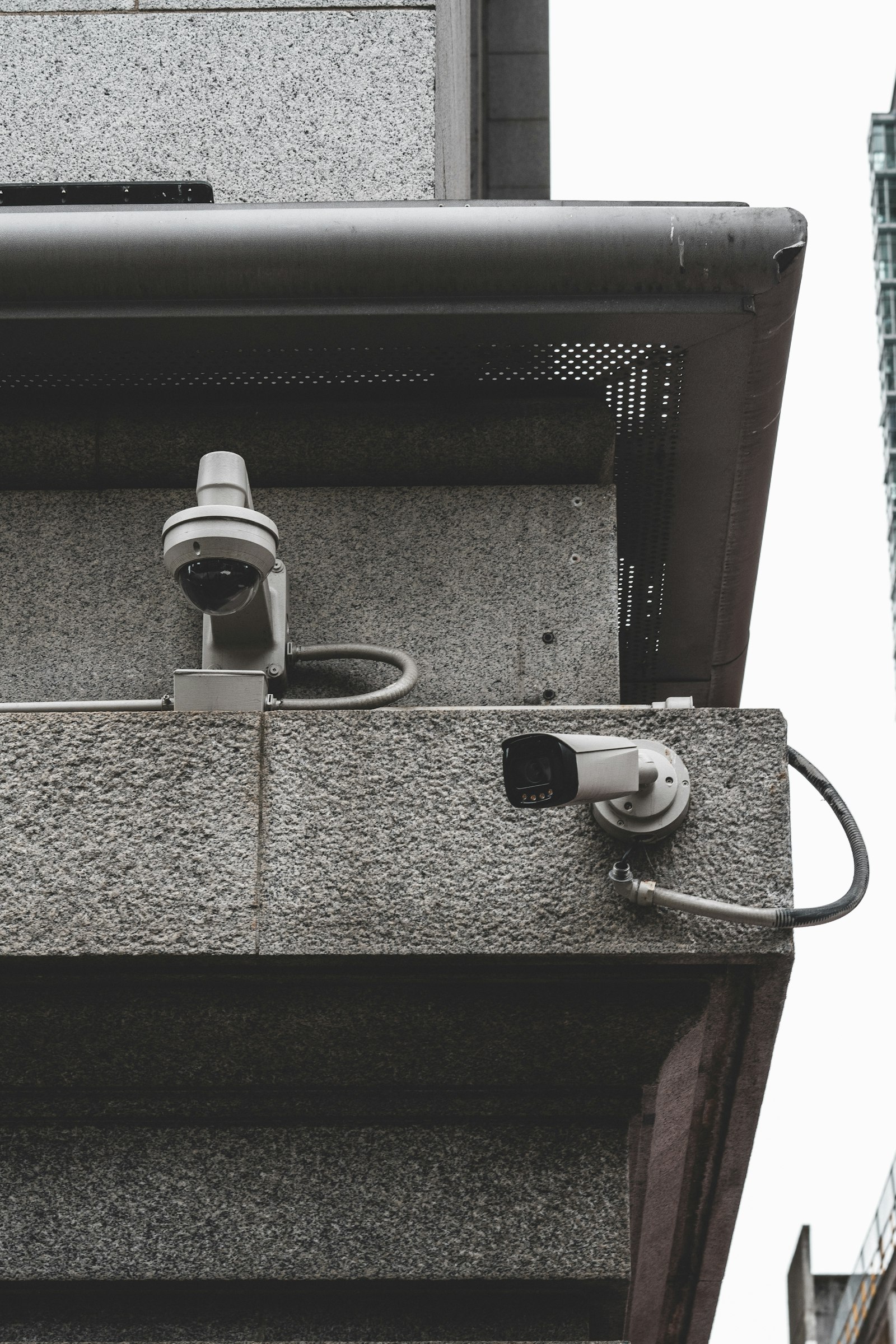 Discreet dome and bullet cameras installed beneath a granite building overhang
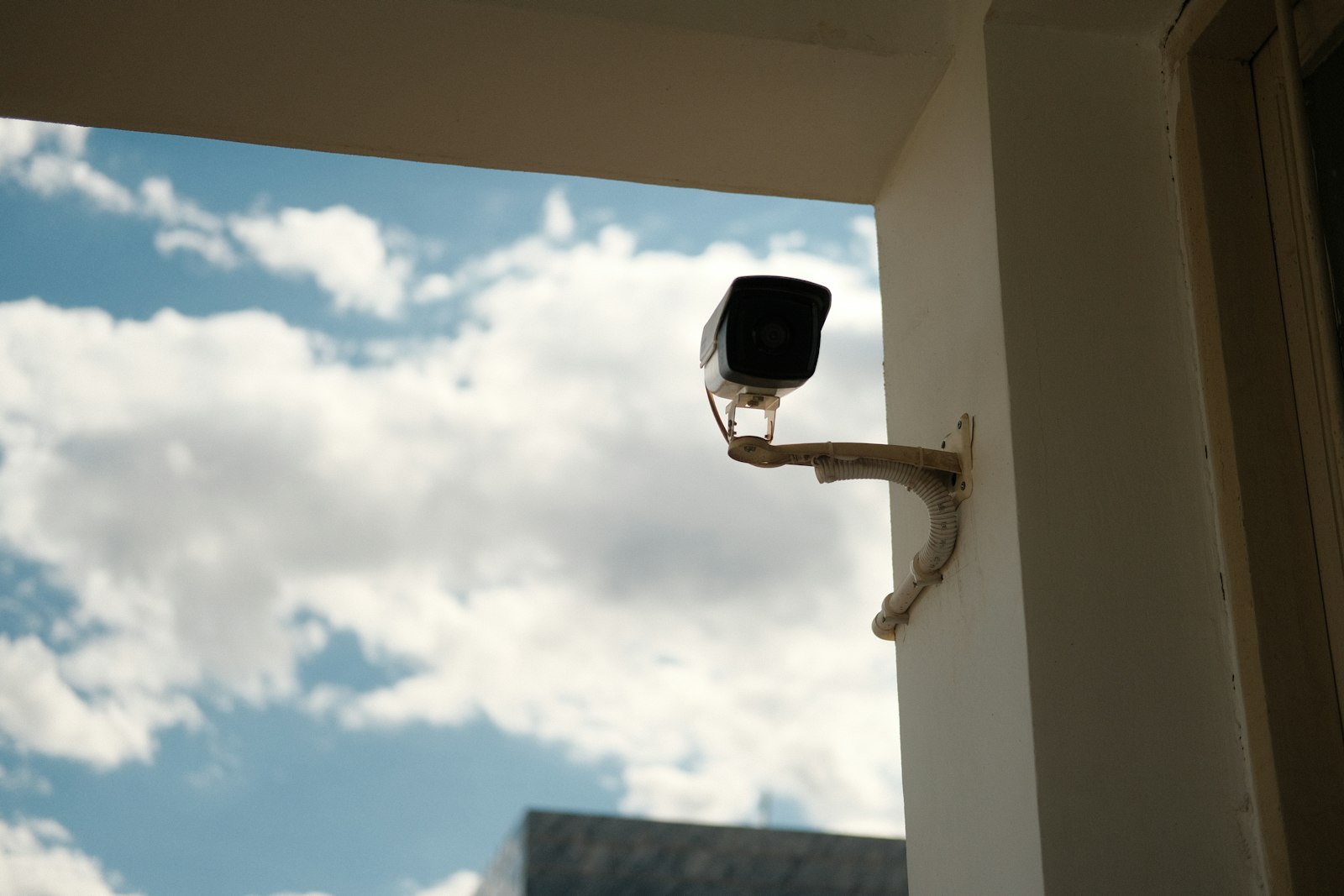 White security camera on bracket overlooking a rendered porch against sky
Why it pays off
What you gain
Coverage where it matters
Cameras are positioned around how your home is actually approached — front door, driveway, side return — not simply pointed at the garden. Every angle is agreed on site, with you.
Deterrence plus evidence
A visible, well-sited camera discourages opportunists, and if anything does happen you have clear, time-stamped footage to pass to your insurer or the police.
Discreet on the house
We favour compact cameras and concealed cabling that sit quietly against brick or render, so the system protects the property without dominating it.
How it works
Three steps, no surprises
Survey and coverage design
We walk the property with you, note entry points and blind spots, and plan camera positions and fields of view — including angling cameras away from neighbouring properties wherever practical, in line with UK guidance on domestic CCTV.
Clean installation
Cabling is routed through lofts, voids or slim trunking, cameras are aligned and focused, and the recorder is tucked away somewhere sensible and secure.
App setup and walkthrough
We connect the system to your phones, tune motion zones and alerts, and show you live view, playback and how to export a clip before we leave.
Sound familiar?
Asked for every week
Tell us which approaches worry you and whether the priority is deterrence, live awareness or reviewing incidents later. We will build the camera plan around those questions.
- Four-camera system covering the front door, driveway and rear garden of a semi-detached home
- Single discreet camera watching the side-return passage of a Victorian terrace
- Upgrading a tired analogue system to high-definition cameras using the existing cable runs
- Coverage for a garden office and shed where bikes and tools are kept
- Front and rear cameras for a ground-floor flat with its own entrance
- CCTV for a live-work unit, covering the workshop door as well as the domestic entrance
Good to know
Common questions
How many cameras does a typical house need?
Most homes are well covered with three to five: front approach, rear garden, side access and sometimes a driveway or outbuilding. Our survey maps actual approaches rather than selling cameras by the box.
Local recording or cloud subscription?
Local recording has no monthly fee and keeps footage in your hands; cloud adds off-site backup if equipment is stolen. Many clients run both — local as primary, cloud for the critical cameras.
Security Camera & Alarm Systems
More in this service
Start the conversation
Ready to start your project?
Send property photos showing entrances, driveway, side access and rear approaches. A site visit can then confirm camera positions, cable routes and night-light conditions.