
Interiors · Home Decoration & Interior Design
Hidden & Ambient Lighting Design
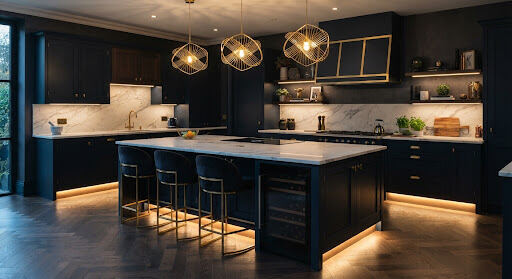
Light in layers: concealed coves that wash the ceiling, warm task light where you read and cook, and statement fittings as jewellery. Dimmed circuits and warm bulb temperatures specified throughout.
The service
What we deliver
Lighting is the fastest way to make a decent room feel expensive. The secret is layers: concealed coves washing the ceiling, warm pools of task light where you actually read and cook, and one or two statement fittings worn like jewellery — all dimmable, all warm.
As builders and decorators we do what lighting shops can't: form the coves, chase the cables, plaster and paint so the light appears to come from nowhere.
What's included
- Layered lighting plans per room
- LED coves, shelf and joinery lighting built in
- Dimmable circuits with warm colour temperatures
- Statement pendants and wall lights supplied and fitted
- Bedside and task lighting at the right heights
- All making-good, plastering and decoration included
From brief to delivery
Ambient lighting is designed in layers so the room still works when the main ceiling light is off
We coordinate concealed light, lamps, wall lights and task lighting around architecture and furniture, using dimming and circuit groups to create useful evening scenes.
What we resolve before work starts
The design begins with what needs light: surfaces, artwork, task zones, circulation and architectural features. We then decide which sources should be hidden, visible or decorative.
- Ambient, task, accent and decorative lighting layers
- Cove, shelf, joinery and curtain-pocket opportunities
- Colour temperature and dimming compatibility
- Circuit grouping and scene requirements
- Driver, transformer and maintenance access for concealed lighting
What a proper handover should include
The room should be handed over with scenes that are understandable and concealed components still accessible for maintenance.
- Dimming checked across the intended range without obvious flicker
- LED tape and concealed sources checked for dark spots or visible dots where the design aims to avoid them
- Drivers and service access identified
- Scene or circuit labels simplified for the client
- Replacement specifications retained where practical
Delivery sequence
How this service moves from idea to finished work
Lighting brief
We identify the atmosphere and tasks the room needs to support at different times of day.
Layer design
Light sources, circuits, details and control points are coordinated with ceilings, joinery and furniture.
First fix & installation
Cabling, profiles and hidden components are installed before final decoration closes access.
Aiming & commissioning
Dimming, aiming and scene levels are adjusted in the finished room at realistic evening light levels.
Why it is worth planning properly
Layered light can change the room without changing the architecture
More useful evenings
Task areas can remain bright while the rest of the room becomes calmer and lower in contrast.
More depth and texture
Grazing or concealed light can reveal materials, joinery and artwork that disappear under a single central fitting.
Less visual ceiling clutter
Some functions can be handled by integrated or indirect sources rather than filling the ceiling with downlights.
Key decisions
What shapes the scope
Desired mood, ceiling details, joinery, artwork, task positions, colour temperature, dimming platform and whether the work is retrofit or part of renovation all shape the scheme.
Budget & programme
What usually moves cost or timing
Custom coves, joinery integration, premium fittings, large numbers of dimming channels and difficult retrofit cable routes are the main variables. Early coordination with ceilings and joinery is usually more efficient than adding concealed light later.
In pictures
The work up close
 View larger photo
 View larger photo
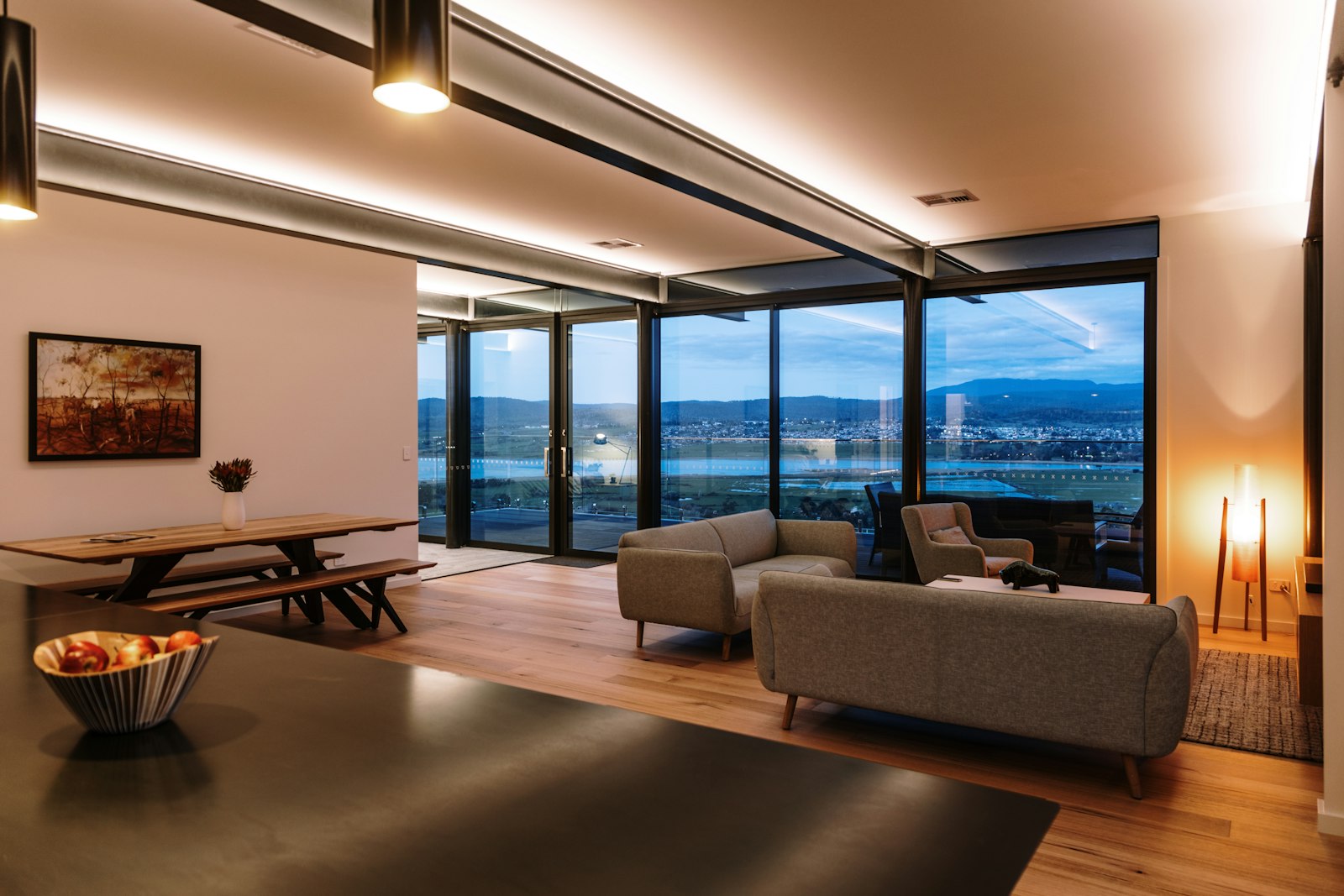 Open-plan living room with concealed LED cove lighting glowing at dusk
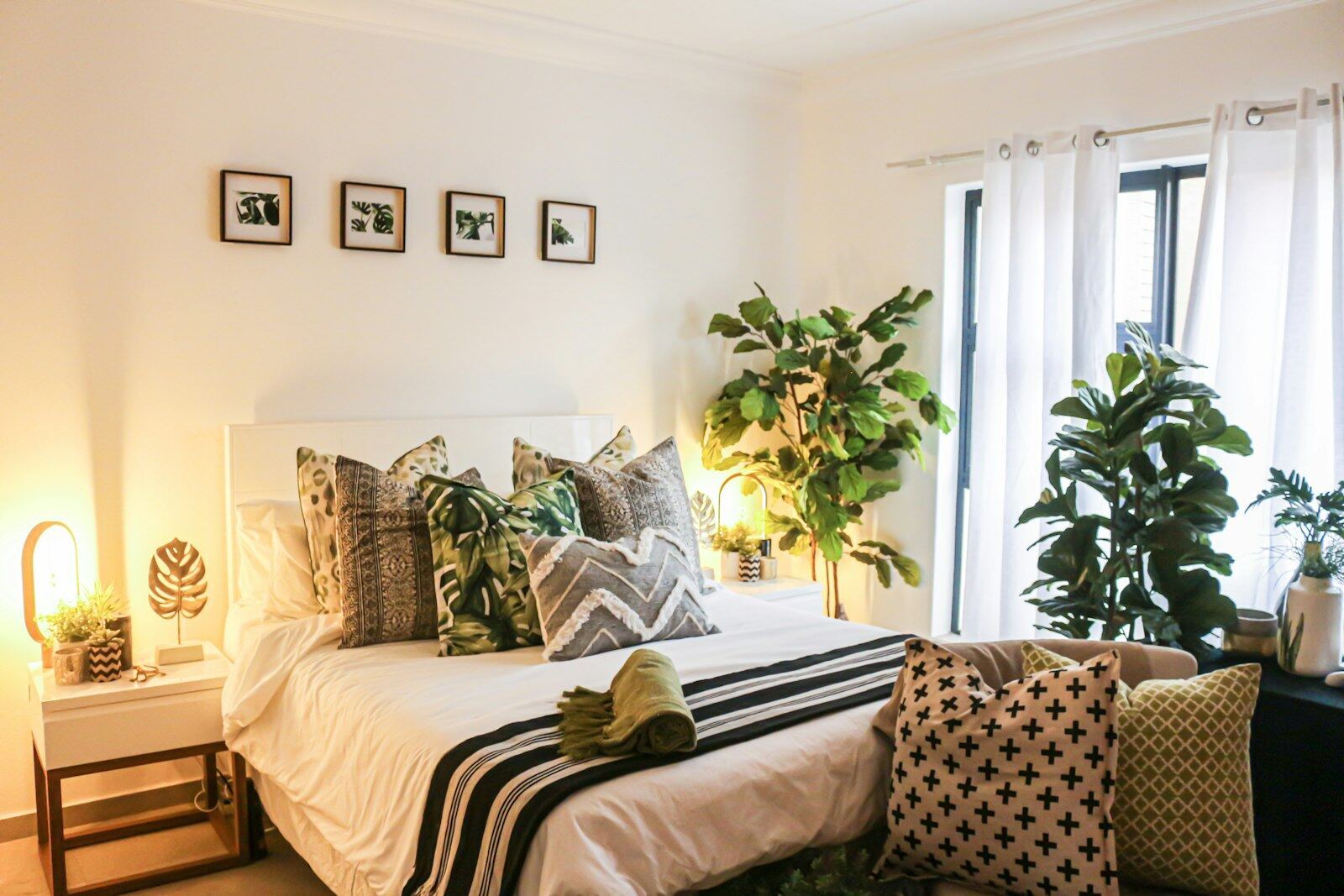
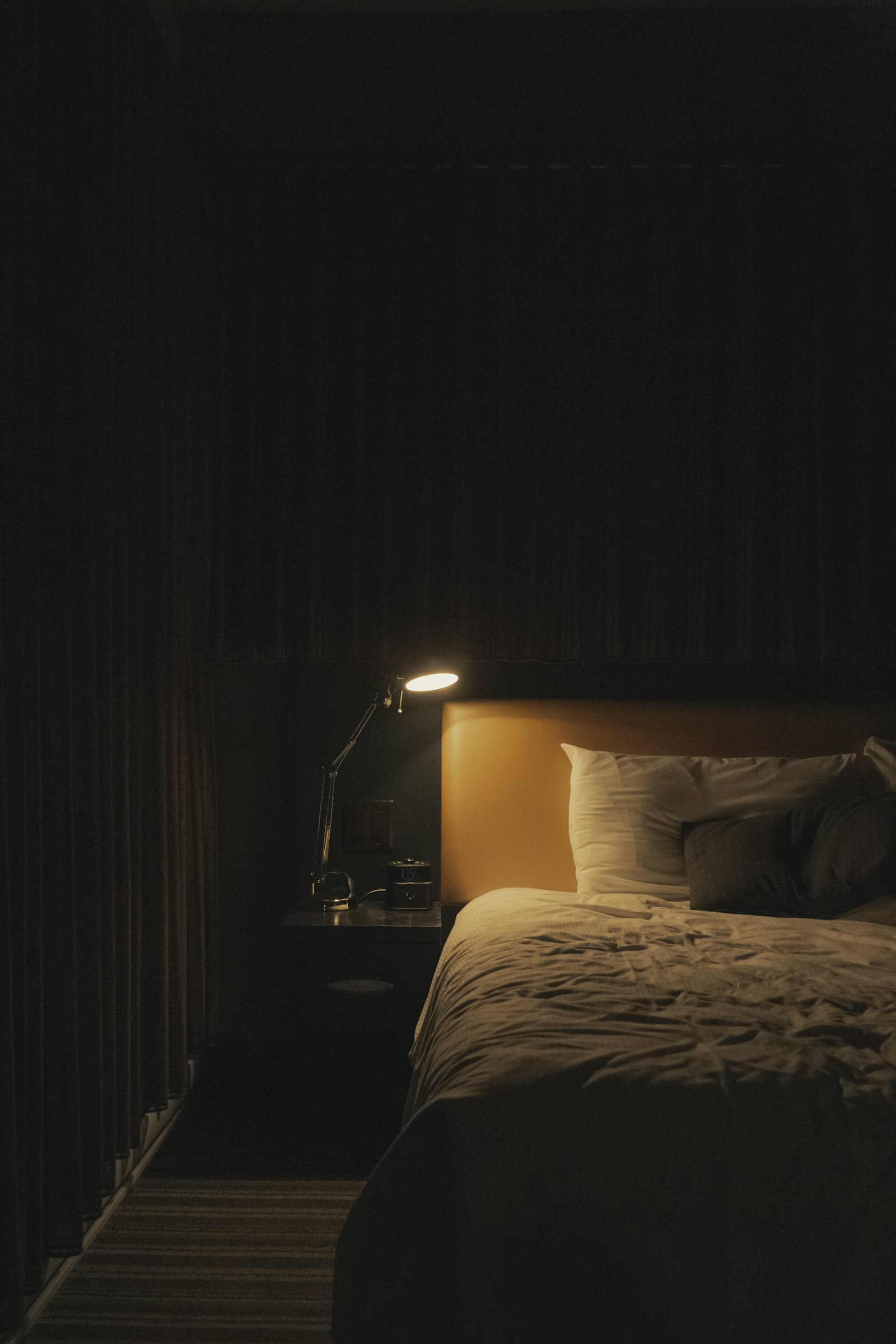 Warm bedside task lamp lighting a bed in a dark evening bedroom
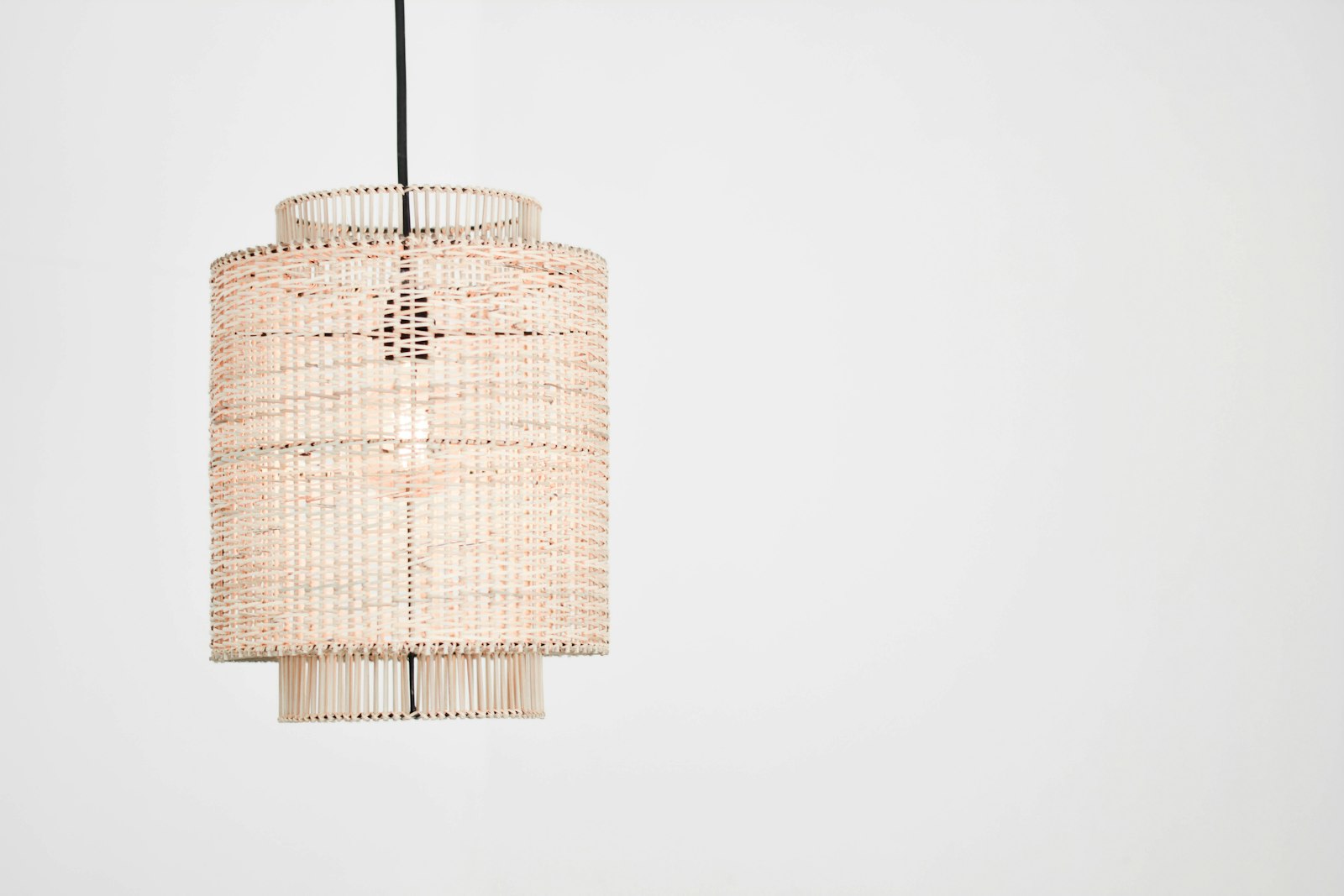 Woven rattan pendant light glowing softly against a plain white wall
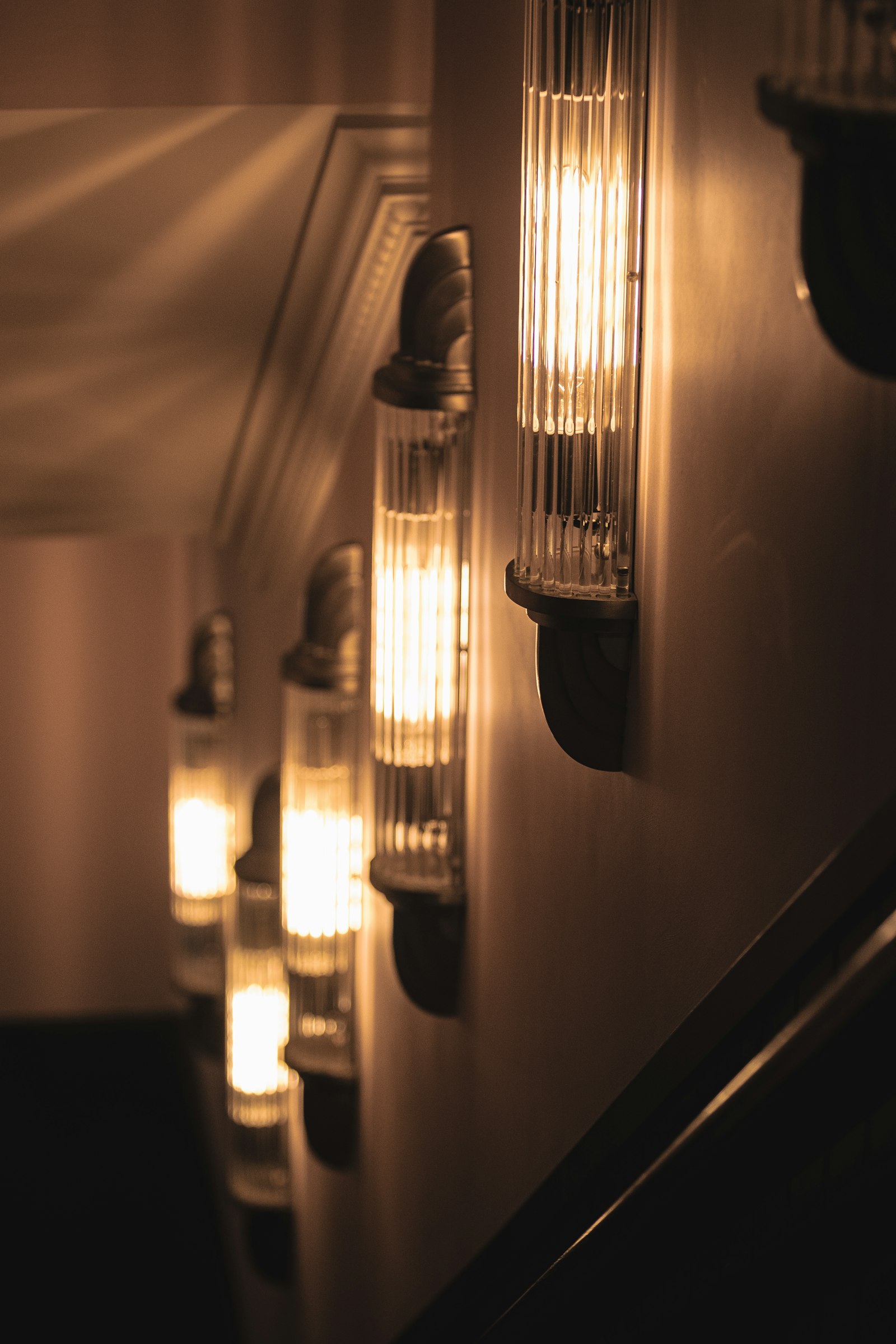 Art deco glass wall sconces casting warm light along a staircase
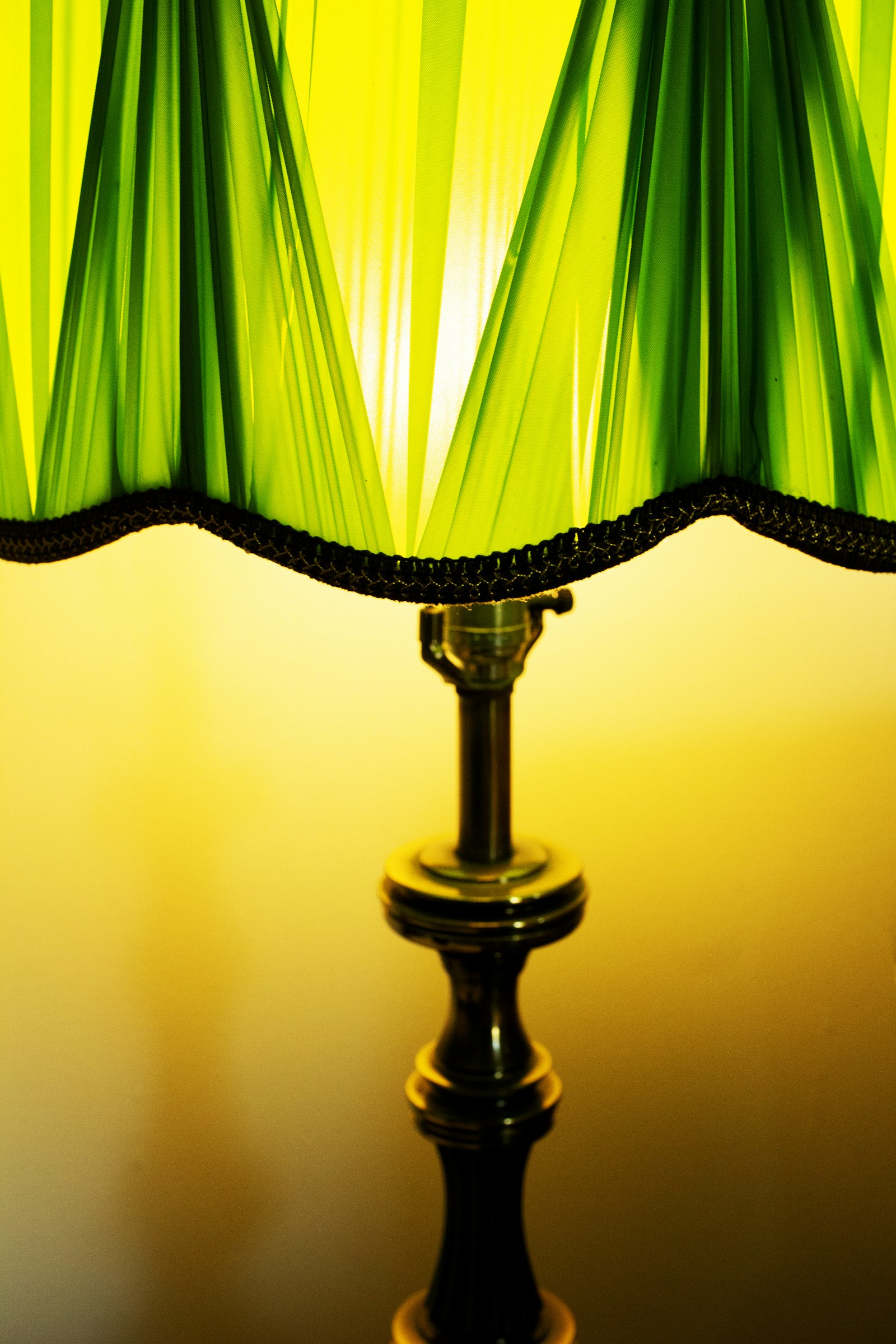 Pleated green lampshade glowing warmly on a brass table lamp
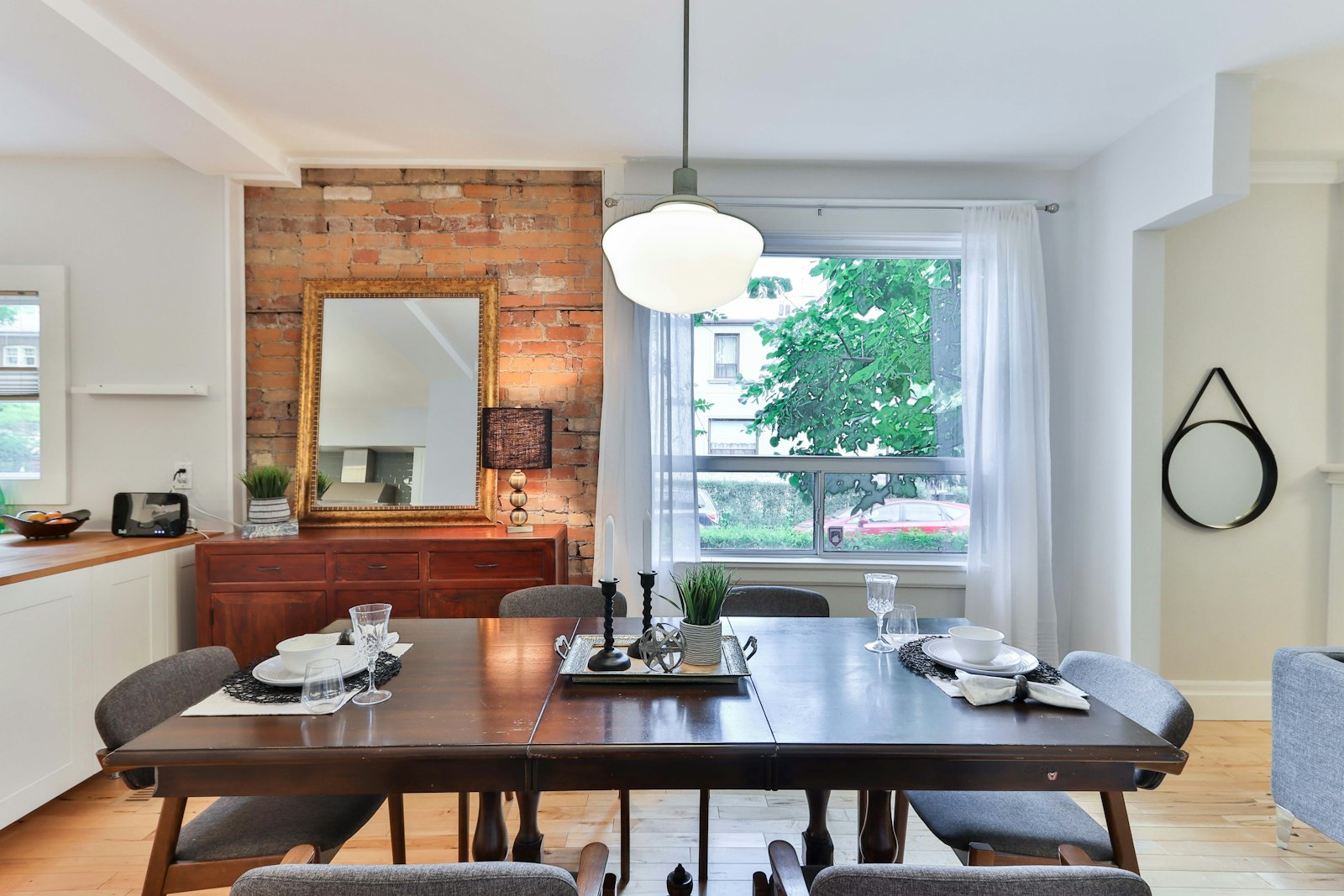 Opal glass pendant light hanging over a dark wood dining table
Why it pays off
What you gain
Light Without Glare
Concealed LED coves, shelf lights and plinth details wash rooms in soft, even light. You see the effect, never the fitting.
Mood at a Touch
Dimmable circuits and simple scene controls take a room from bright and practical to warm and cinematic in one press.
Architectural Polish
Layered lighting picks out joinery, artwork and texture, making ceilings feel higher and ordinary rooms feel considered and bespoke.
How it works
Three steps, no surprises
Lighting Design Visit
We map how you use each room through the day, then design layers of concealed, task and accent lighting with a clear circuit and control plan.
First-Fix Wiring
Qualified electricians run cabling, form coves and pelmet details, and build in driver access while everything is still easy to reach.
Fit-Off & Scene Setting
Fittings and LED profiles are installed and aligned, then we set dimming levels and scenes with you in the room after dark.
Sound familiar?
Asked for every week
Tell us which rooms feel flat or too bright and what you do in them after dark. We will design the layers around the activities and surfaces that need to be seen.
- LED cove or coffer lighting around a living room ceiling
- Under-shelf and in-cabinet lighting for alcove joinery
- Backlit bathroom mirror with low-level night lighting
- Concealed pelmet lighting to wash bedroom curtains in soft light
- Plinth and step lights along a staircase for safe evening use
- A warm, dimmable scheme for a media room or snug
Good to know
Common questions
Can hidden lighting be added without a full renovation?
Often, yes. Cove and shelf lighting can frequently be added with localised work and a day of making-good — we'll assess what's possible without opening up more than necessary.
What colour temperature should home lighting be?
For living spaces we specify warm white (2700K, sometimes 2200K for evening scenes). Cooler light belongs in task zones, if anywhere. It's the single biggest factor in whether a room feels cosy or clinical.
Home Decoration & Interior Design
More in this service
Start the conversation
Ready to start your project?
Send room photos, ceiling/joinery plans if available and the mood you want in the evening. We can then identify what needs first-fix preparation before decoration.